
Top 10 Foods That Naturally Lower Blood Pressure — Dietitian Tips
Discover 10 proven foods that naturally control high blood pressure. Expert dietitian tips reviewed by Dr. C.P. Singh, Best General Physician at Jigyasa Hospital Moradabad.
High blood pressure — or hypertension — is called the 'silent killer' for good reason. It rarely causes noticeable symptoms, yet it quietly damages your arteries, heart, kidneys, and brain over years, dramatically raising your risk of heart attack, stroke, and kidney failure. In India, an estimated 220 million people live with hypertension, and Uttar Pradesh is among the states with the highest prevalence. What is alarming is how early people are now developing it — often in their 30s — driven by stress, excess salt, unhealthy diets, and sedentary lifestyles. The good news? What you eat has a powerful, measurable impact on your blood pressure. Before medications become necessary, your kitchen can be your first line of defence. At Jigyasa Hospital, Moradabad, our clinical nutrition team — medically reviewed and guided by Dr. C.P. Singh, MBBS, MD (Medicine), KGMC Lucknow — brings you the 10 most effective foods that science and nutrition both recommend for naturally controlling blood pressure.
Understanding Your Blood Pressure Numbers
"In my 25+ years of clinical practice, I have seen dietary changes alone reverse borderline hypertension in many patients. Food is your most powerful daily medicine — but it must be the right food, eaten consistently." — Dr. C.P. Singh, MBBS, MD (Medicine) | Senior Consultant Physician | Best General Physician, Jigyasa Hospital Moradabad
| BP Category | Systolic (mmHg) | Diastolic (mmHg) |
|---|---|---|
| Normal | Below 120 | Below 80 |
| Elevated | 120–129 | Below 80 |
| High BP – Stage 1 | 130–139 | 80–89 |
| High BP – Stage 2 | 140 or higher | 90 or higher |
| Hypertensive Crisis | Above 180 | Above 120 |
Blood Pressure Categories — Reference Guide
If your readings consistently fall in Stage 1 or higher, consult Dr. C.P. Singh at Jigyasa Hospital, Moradabad for a comprehensive evaluation and personalised management plan.
How Food Affects Blood Pressure
Blood pressure is directly influenced by what you eat every day through several mechanisms:
- •Potassium relaxes blood vessel walls and helps kidneys flush out excess sodium
- •Dietary Nitrates convert to nitric oxide in the body, dilating arteries naturally
- •Magnesium reduces arterial stiffness and regulates vascular tone
- •Omega-3 Fatty Acids reduce inflammation and support arterial elasticity
- •Antioxidants & Flavonoids reduce oxidative stress on blood vessel walls
- •Fibre lowers LDL cholesterol and supports overall cardiovascular function
- •Probiotics in fermented foods improve endothelial function and reduce BP
The DASH Diet (Dietary Approaches to Stop Hypertension) — the world's most clinically validated dietary framework for blood pressure — is built around exactly the 10 foods listed below.
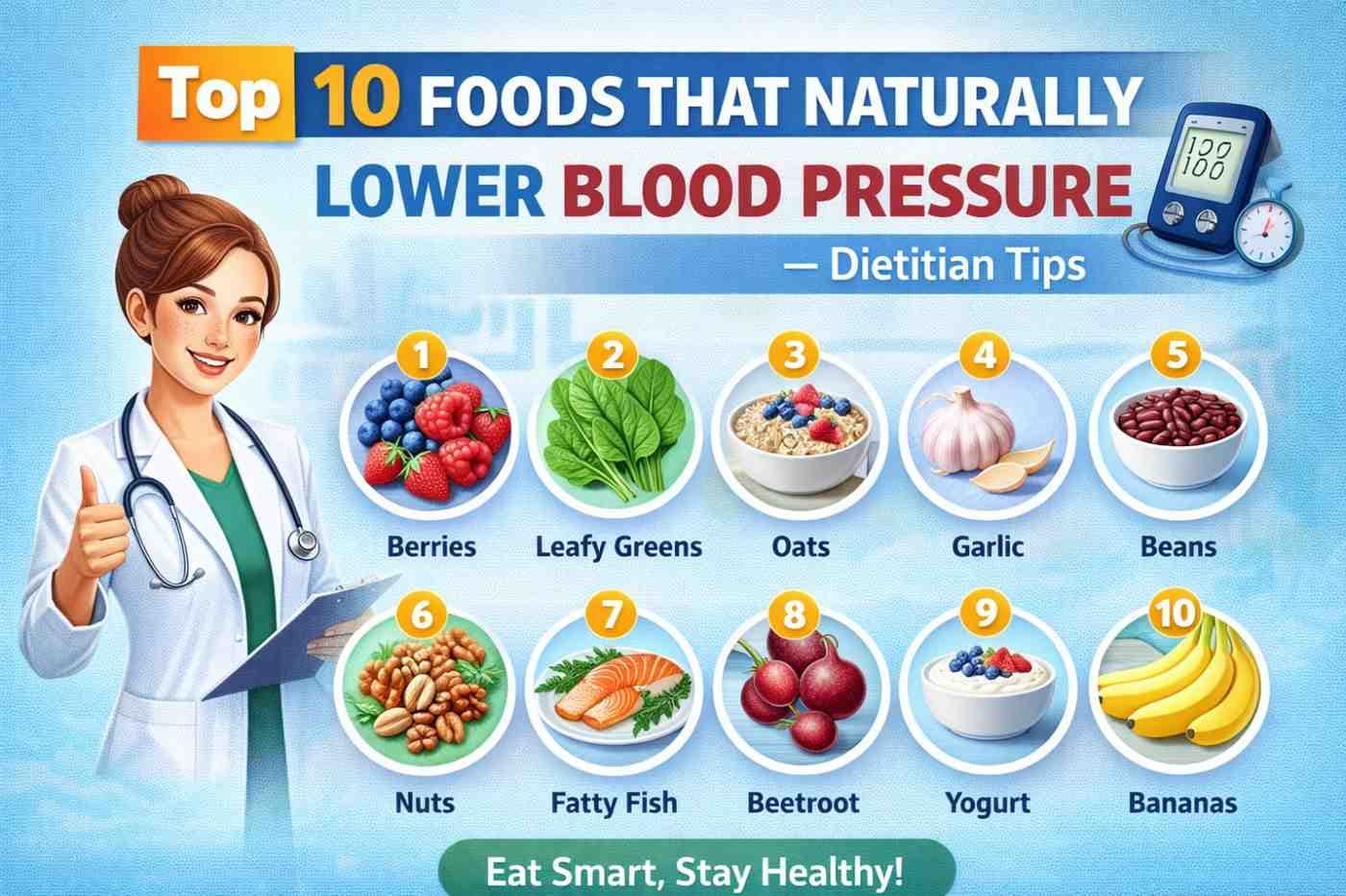
Top 10 Foods That Naturally Lower Blood Pressure
1. Berries — Flavonoid Powerhouses for Your Arteries
Berries — including blueberries, strawberries, and raspberries — are among the most antioxidant-rich foods on the planet, and one of the best-researched dietary tools for blood pressure control. They are exceptionally rich in anthocyanins — a class of flavonoid pigments that stimulate nitric oxide production in blood vessel walls, causing them to relax and widen, directly reducing blood pressure. A large Harvard study tracking over 34,000 hypertensive women found that those with the highest anthocyanin intake had an 8% reduction in hypertension risk. Clinical trials show that daily blueberry consumption can lower systolic blood pressure by 5 to 6 mmHg over 8 weeks. Berries are also rich in potassium, vitamin C, and fibre — all independently beneficial for cardiovascular health.
How to use: Fresh berries as a breakfast topping over oats or yogurt, blended into a morning smoothie, or eaten as a mid-morning snack. Frozen berries retain their anthocyanin content fully and are widely available year-round.
2. Leafy Greens — Nitrate-Rich BP Fighters
Leafy greens — spinach (palak), fenugreek (methi), coriander (dhaniya), amaranth (chaulai), and kale — are exceptional for blood pressure management and among the most nutrient-dense foods available in Indian markets year-round. They are loaded with dietary nitrates, which the body converts to nitric oxide — a natural compound that causes blood vessels to dilate and blood pressure to fall measurably. Studies show that regularly eating nitrate-rich greens can lower systolic blood pressure by 5 to 8 mmHg — comparable to a low-dose antihypertensive medication. Leafy greens also provide potassium, magnesium, folate, and vitamin K.
How to use: Daily palak sabzi, methi paratha (minimal ghee), dal palak, green smoothies, or raw salads with a drizzle of lemon. Aim for at least 1 cup of cooked or 2 cups of raw leafy greens daily. Dr. C.P. Singh's Tip: 'I advise every hypertensive patient I see at Jigyasa Hospital to make leafy greens a non-negotiable part of lunch or dinner. It is the simplest, cheapest, and most effective dietary change for blood pressure.'
3. Oats — Soluble Fibre for Heart-Healthy BP Control
Oats are one of the most scientifically validated cholesterol-lowering and blood pressure-reducing foods, making them an ideal breakfast for anyone managing hypertension. The key active compound is beta-glucan — a soluble fibre that binds to cholesterol and bile acids and removes them from the body, directly lowering LDL cholesterol. Beyond beta-glucan, oats provide magnesium, potassium, and avenanthramides — unique antioxidants found only in oats that reduce inflammation in blood vessel walls. A review of 28 clinical trials confirmed that oat consumption leads to significant reduction in both systolic and diastolic blood pressure.
How to use: Plain oats with skimmed milk, topped with berries and a tablespoon of flaxseeds as a morning meal. Avoid instant flavoured oat packets — they contain high sugar and sodium. Use whole rolled oats or steel-cut oats.
4. Garlic — Ancient Remedy, Modern Proof
Garlic (lehsun) has been used in Ayurvedic and traditional medicine for centuries to support heart health — and modern clinical science strongly validates this use. The active compound allicin stimulates nitric oxide production, acts as a natural ACE inhibitor similar in mechanism to antihypertensive medications, and reduces arterial stiffness and systemic inflammation. Multiple meta-analyses — including a large Cochrane Review — confirm that regular garlic consumption lowers systolic blood pressure by 5 to 9 mmHg in hypertensive patients.
How to use: 1 to 2 raw, crushed garlic cloves on an empty stomach every morning — the most potent method. Or incorporate generously into daily cooking: dal tadka, sabzi, chutney, and curry bases. Cooking partially reduces allicin potency, so raw garlic delivers maximum benefit.
5. Beans — The Affordable Indian Superfood for BP
Beans and legumes — rajma, kala chana, safed chana, lobia, kidney beans — are among the most potent and affordable blood pressure-controlling foods available to Indian households. They are packed with potassium (which directly counteracts sodium), magnesium (which relaxes blood vessels), soluble fibre, plant-based protein, and folate — which reduces homocysteine, protecting arteries from damage. A large clinical trial found that eating one daily serving of beans or legumes reduced systolic blood pressure significantly, with effects comparable to modest antihypertensive medication in borderline hypertensive patients.
How to use: Rajma chawal (minimal oil, low salt), chana curry, lobia soup, or sprouted chana salads. Aim for at least 4 to 5 servings of legumes per week. Cook from scratch where possible — canned beans often contain high added sodium.
6. Nuts — Healthy Fats and Minerals in Every Handful
A small daily handful of nuts — especially almonds (badam), walnuts (akhrot), and pistachios — is one of the most heart-protective dietary habits supported by modern nutrition science. Nuts are rich in magnesium, unsaturated (healthy) fats that reduce LDL cholesterol, L-arginine (an amino acid used to produce nitric oxide), and potassium and fibre. Walnuts are particularly rich in ALA omega-3 fatty acids, while almonds are high in magnesium and vitamin E, protecting arterial walls from oxidative damage.
How to use: A small handful (15–20 grams) of mixed unsalted nuts daily — as a mid-morning snack, added to oats, or stirred into smoothies. Always choose unsalted, raw or dry-roasted nuts. Salted or fried nuts entirely negate the blood pressure benefit.
7. Fatty Fish — Omega-3 for Inflammation and BP
For non-vegetarian patients, fatty fish — rohu, katla, mackerel (bangda), hilsa, and sardines — are among the most powerful foods for both blood pressure control and overall cardiovascular health. Their rich omega-3 fatty acid content (EPA and DHA) reduces systemic inflammation, lowers triglycerides, improves arterial wall elasticity, and reduces resting blood pressure in hypertensive individuals measurably. The American Heart Association recommends at least two servings of fatty fish per week for cardiovascular protection. Vegetarian alternative: Walnuts, flaxseeds, and chia seeds provide ALA — the plant-based omega-3 precursor.
How to use: 2 to 3 servings of fatty fish per week — grilled, steamed, or lightly curried (avoid deep frying and excess added salt). The omega-3 content is best preserved through gentle cooking methods.
8. Beetroot — Nature's Most Powerful Nitrate Food
Beetroot (chukandar) is one of the single most effective foods for rapidly and significantly lowering blood pressure, thanks to its extraordinary concentration of inorganic dietary nitrates. When consumed, beetroot's nitrates are converted to nitric oxide — a molecule that causes blood vessel walls to relax and widen dramatically. Clinical trials have demonstrated that drinking one glass of beetroot juice can lower systolic blood pressure by 4 to 10 mmHg within just 2 to 3 hours. For regular hypertensive patients, consistent daily beetroot consumption has been shown to produce sustained reductions in both systolic and diastolic pressure over 4 weeks.
How to use: Fresh beetroot juice (250 ml, no added salt or sugar) first thing in the morning. Or beetroot in salads, raita, halwa (minimal sugar), and sabzi. Dr. C.P. Singh's Tip: 'Beetroot juice is the fastest natural BP intervention I know of. I recommend it to patients with Stage 1 hypertension as an immediate dietary support while we work on a full lifestyle management plan at Jigyasa Hospital.'
9. Yogurt — Probiotics and Calcium for Vascular Health
Plain yogurt (dahi) is a staple of the Indian diet and one of the most beneficial foods for blood pressure. It provides calcium (which plays a direct role in blood vessel wall contraction and relaxation), potassium and magnesium, probiotics (Lactobacillus and Bifidobacterium) that improve gut microbiome diversity and reduce inflammation, and protein that supports satiety and healthy weight management. A large analysis of studies involving over 31,000 participants found that higher dairy intake — particularly from low-fat yogurt — was associated with significantly lower rates of hypertension.
How to use: 1 to 2 cups of plain, unsweetened low-fat dahi per day — as a meal accompaniment, in the form of chaas (buttermilk), raita with vegetables, or as a standalone snack. Avoid flavoured or sweetened yogurt — the added sugar negates the cardiovascular benefit.
10. Bananas — The Simplest Daily Potassium Fix
Bananas are one of the most accessible, affordable, and effective foods for blood pressure management in India. A single medium banana provides approximately 422 mg of potassium — which helps the kidneys excrete excess sodium, relaxes blood vessel walls, and balances the negative effects of dietary salt. For every 1,000 mg increase in daily potassium intake, research shows a reduction of approximately 1.0 mmHg in systolic and 0.52 mmHg in diastolic blood pressure. For a hypertensive patient eating 2 to 3 bananas daily, the cumulative benefit over weeks is clinically meaningful.
How to use: 1 to 2 bananas per day — as a morning snack, added to oats or smoothies, or eaten post-exercise. Diabetic patients should moderate banana intake and consult Dr. C.P. Singh for a personalised dietary plan, as bananas have a moderate glycaemic index.
Your Daily BP-Lowering Food Routine — A Simple Plan
| Time | Food | BP Benefit |
|---|---|---|
| Early Morning | 1 glass beetroot juice + 1 crushed garlic clove | Immediate nitrate + allicin action |
| Breakfast | Oats topped with berries + a handful of nuts | Beta-glucan + anthocyanins + magnesium |
| Mid-Morning | 1 banana | Potassium boost |
| Lunch | Dal/beans + leafy green sabzi + curd (raita) | Potassium, nitrates, probiotics |
| Evening Snack | A small handful of walnuts/almonds | Omega-3, magnesium |
| Dinner | Fatty fish (or legume-based meal) + cooked tomatoes + leafy greens | Omega-3, lycopene, nitrates |
Daily BP-Lowering Food Routine
Following this routine consistently — alongside reducing salt intake, managing stress, and staying active — can produce measurable reductions in blood pressure within 4 to 8 weeks.
What to Reduce or Avoid for Better Blood Pressure
- •Excess salt (namak): The single biggest dietary driver of hypertension in India — limit to under 5g per day
- •Processed and packaged foods: Namkeen, chips, pickles, papad, instant noodles — extremely high in hidden sodium
- •Refined oils and fried food: Promotes arterial inflammation and raises LDL cholesterol
- •Sugary drinks: Colas, packaged juices, sharbat — elevate triglycerides and promote insulin resistance, worsening BP
- •Excess alcohol: Directly raises blood pressure with every drink
- •Red meat and processed meat: High saturated fat content increases arterial stiffness
When to See Dr. C.P. Singh at Jigyasa Hospital
Dietary changes are powerful — but they are not always sufficient on their own. Consult Dr. C.P. Singh, Best General Physician at Jigyasa Hospital, Moradabad, if:
- •Your BP consistently reads 130/80 mmHg or higher
- •You have a family history of hypertension or cardiovascular disease
- •You experience headaches, dizziness, or blurred vision
- •You have diabetes, kidney disease, or obesity alongside high BP
- •You are already on BP medication and want to explore safe dietary modifications
- •You want a personalised, medically supervised hypertension management plan
Dr. C.P. Singh, MBBS, MD (Medicine), KGMC Lucknow is Jigyasa Hospital's Senior Consultant Physician with over 25 years of clinical experience in managing hypertension, diabetes, cardiac risk, and complex internal medicine cases. He is widely regarded as the best general physician in Moradabad for comprehensive, compassionate, patient-centred care.
📞 Book a consultation with Dr. C.P. Singh: 7900903333
📍 Address: Near Miglani Cinema, Rampur Road, Moradabad – 244001
🌐 Website: jigyasahospital.com/contact
Eat Smarter, Live Healthier — With Guidance from Jigyasa Hospital
High blood pressure does not have to be a permanent sentence. With the right foods eaten consistently, combined with a lower-sodium lifestyle, regular physical activity, and timely medical guidance, you can take meaningful control of your blood pressure — naturally. The 10 foods in this article — berries, leafy greens, oats, garlic, beans, nuts, fatty fish, beetroot, yogurt, and bananas — are not exotic superfoods. They are everyday ingredients, available in every market in Moradabad, affordable for every household, and powerful enough to make a real clinical difference in your blood pressure readings.
Start with two or three changes this week. Add more next week. Within a month, your body — and your BP monitor — will reflect the difference. And whenever you need expert medical guidance, Dr. C.P. Singh and the team at Jigyasa Hospital, Moradabad are here for you.
📞 Call: 7900903333
📍 Address: Near Miglani Cinema, Rampur Road, Moradabad – 244001
📧 Email: info@jigyasahospital.in
🌐 Website: jigyasahospital.com
Your heart health is in your hands — and on your plate.
Frequently Asked Questions
Can diet alone cure high blood pressure without medication?
For borderline or Stage 1 hypertension, consistent dietary changes — including the 10 foods listed above — combined with reduced salt intake, regular exercise, and stress management can normalise blood pressure without medication in many patients. However, Stage 2 hypertension and above typically requires medication alongside dietary changes. Always consult Dr. C.P. Singh at Jigyasa Hospital before stopping or adjusting any blood pressure medication.
How quickly do these foods lower blood pressure?
Beetroot juice and garlic can produce measurable effects within hours. Sustained, meaningful reductions from consistent dietary changes typically appear within 4 to 8 weeks. The DASH Diet has been shown to lower systolic blood pressure by 8 to 14 mmHg within 2 weeks when followed strictly.
Is banana good for high blood pressure?
Yes. Bananas are an excellent source of potassium, which directly counteracts sodium and helps relax blood vessel walls. 1 to 2 bananas per day as part of a balanced diet is beneficial for most hypertensive patients. Diabetic patients should moderate intake and consult a physician.
Which juice is best for lowering blood pressure immediately?
Beetroot juice is the most clinically effective juice for rapidly lowering blood pressure, capable of reducing systolic pressure by 4 to 10 mmHg within 2 to 3 hours of consumption. Pomegranate juice and tomato juice (unsalted) are also beneficial. Avoid any packaged juices with added sugar or salt.
Who is the best general physician in Moradabad for hypertension?
Dr. C.P. Singh — MBBS, MD (Medicine), KGMC Lucknow — is the Senior Consultant Physician at Jigyasa Hospital, Moradabad, and is widely recognised as the best general physician in Moradabad for managing hypertension, diabetes, and internal medicine conditions. To book a consultation, call 7900903333.
Related Articles

Heart Attack Warning Signs You Must Never Ignore
Recognizing heart attack symptoms early can save your life. Learn the critical warning signs from Dr. Amit Kumar Singh, Senior Interventional Cardiologist at Jigyasa Hospital, Moradabad. Call 7900903333.
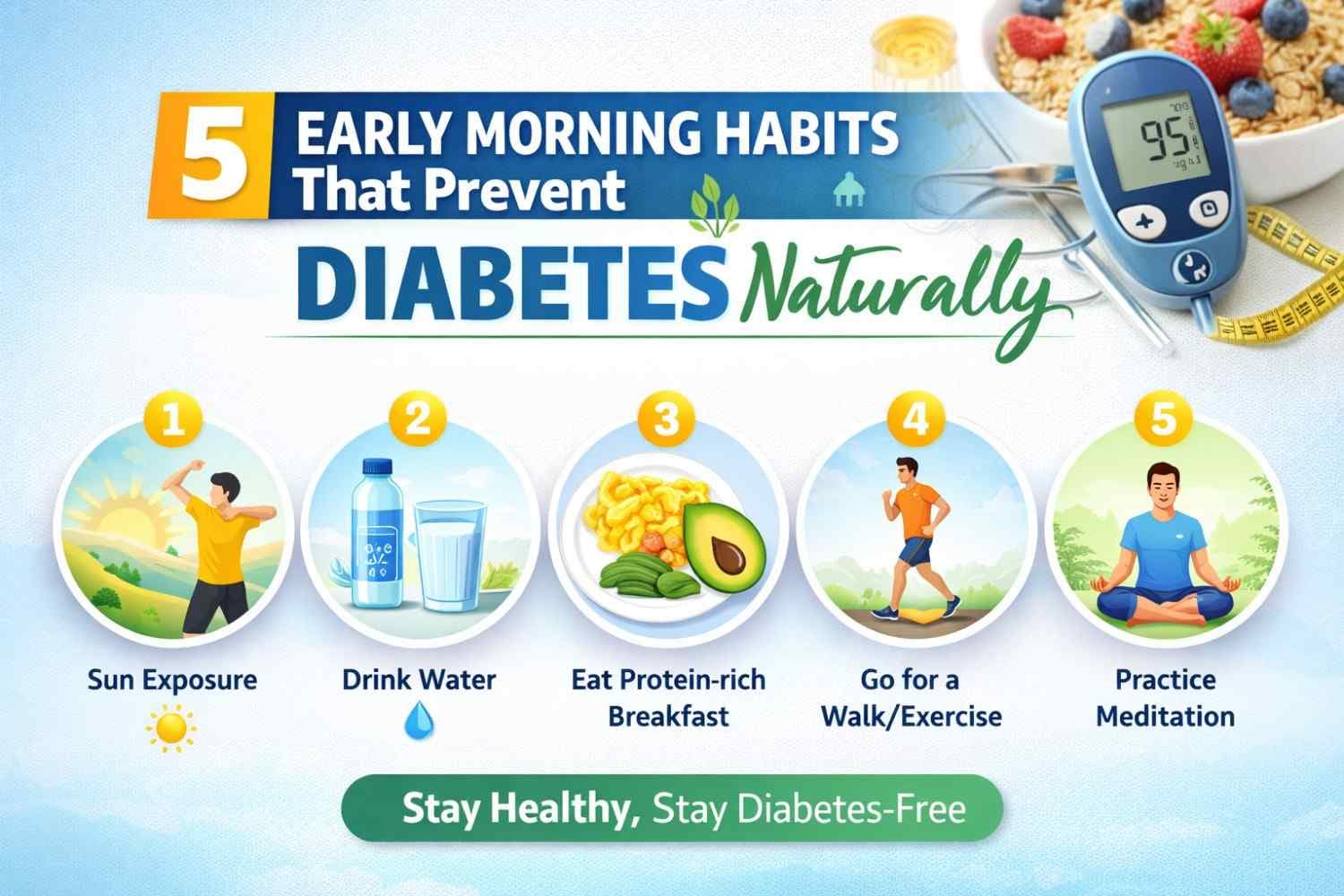
5 Early Morning Habits That Prevent Diabetes Naturally
Discover 5 powerful morning habits that naturally prevent diabetes. Expert advice from Dr. C.P. Singh, Senior Consultant Physician at Jigyasa Hospital, Moradabad. Call 7900903333.
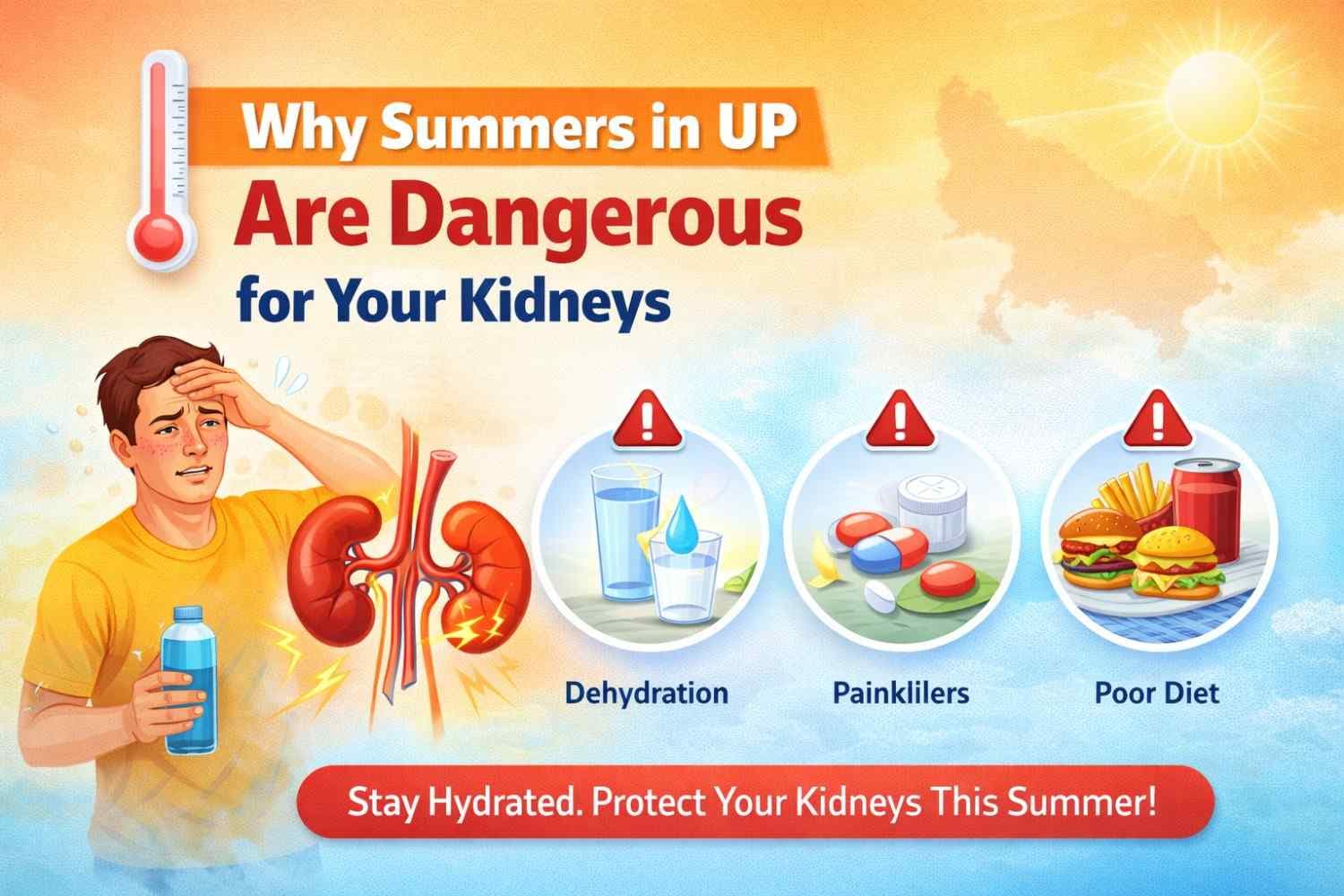
Why Summers in UP Are Dangerous for Your Kidneys
UP summers can silently damage your kidneys. Jigyasa Hospital Moradabad explains the hidden risks, warning signs, and how to protect your kidneys this season. Call 7900903333.