
Gallstones: Symptoms, Causes & Surgery Guide
Sudden pain after a fatty meal could be gallstones. Learn the symptoms, causes, and when surgery becomes necessary — guidance from Dr. Rahul Kumar, Senior GI Surgeon, Jigyasa Hospital, Moradabad.
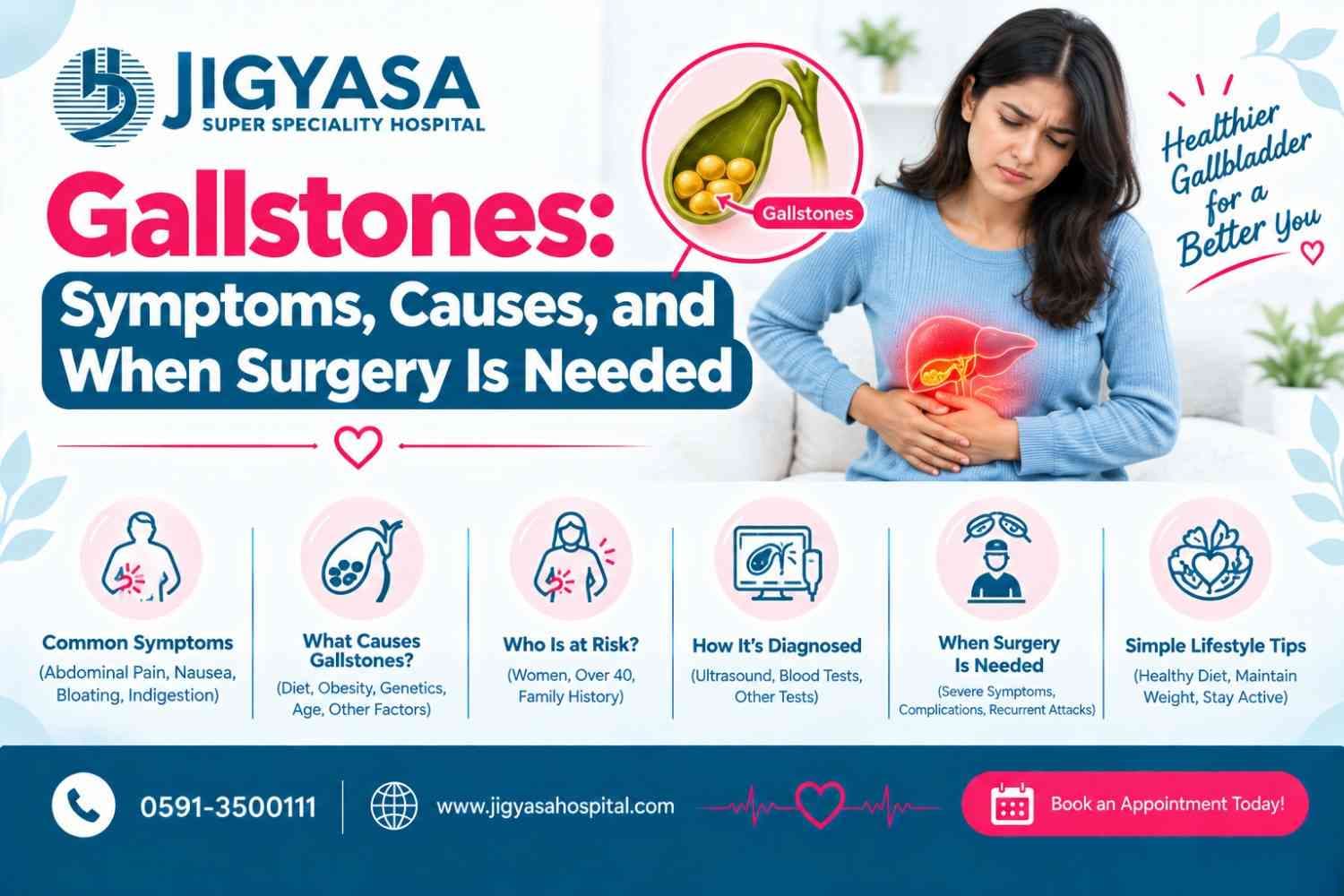
A sudden, intense pain in the upper right abdomen after a heavy or fatty meal — often mistaken initially for indigestion or gas — is one of the most classic presentations of gallstones. For some people, gallstones remain completely silent for years, discovered only incidentally during an unrelated scan. For others, they trigger recurring, sometimes severe episodes of pain that significantly disrupt daily life, and in certain cases, lead to serious complications requiring urgent treatment. At Jigyasa Hospital, Moradabad, Dr. Rahul Kumar, our Senior GI Surgeon, regularly evaluates and manages patients with gallstones, helping them understand when the condition can be safely monitored and when surgery genuinely becomes the necessary next step.
What Are Gallstones?
The gallbladder is a small, pear-shaped organ located beneath the liver, whose primary job is to store and concentrate bile — a digestive fluid produced by the liver that helps break down fats during digestion. Gallstones are hardened deposits that form within the gallbladder when substances in bile, particularly cholesterol or a pigment called bilirubin, crystallize and clump together.
Gallstones can range in size from as small as a grain of sand to as large as a golf ball, and a person can have a single stone or many smaller ones at once.
Types of Gallstones
- •Cholesterol stones — the most common type, formed when bile contains too much cholesterol relative to the substances that normally keep it dissolved
- •Pigment stones — formed from excess bilirubin, more commonly seen in certain conditions such as liver disease or blood disorders that increase bilirubin production
What Causes Gallstones?
Several factors increase the likelihood of developing gallstones:
- •Obesity — one of the strongest risk factors, as excess weight is associated with higher cholesterol levels in bile
- •Rapid weight loss — paradoxically, losing weight very quickly, including through certain crash diets or after bariatric surgery, can increase gallstone risk by altering bile composition
- •Female gender — women are more prone to gallstones, partly related to the effects of estrogen on bile cholesterol levels
- •Age — risk increases with age
- •Pregnancy — hormonal changes during pregnancy can increase gallstone risk
- •Family history — a genetic predisposition to gallstone formation exists in some families
- •Diabetes — associated with a higher risk of gallstone formation
- •High-fat, high-cholesterol diet — can contribute to bile composition changes that favor stone formation
- •Certain medications — including some hormone-containing medications
- •Prolonged fasting or very low-calorie diets — can affect normal gallbladder emptying and bile composition
- •Liver disease and certain blood disorders — associated with increased pigment stone formation
Common Symptoms of Gallstones
A significant number of people with gallstones experience no symptoms at all — a situation referred to as "silent gallstones" — often discovered incidentally during imaging done for unrelated reasons. When symptoms do occur, they typically include:
1. Biliary Colic (Classic Gallstone Pain)
A sudden, intense pain in the upper right or central upper abdomen, which can radiate to the right shoulder blade or back. This pain often occurs after eating a fatty or heavy meal, since fat stimulates the gallbladder to contract, which can trigger pain if a stone is obstructing its outlet. Episodes typically last anywhere from 30 minutes to several hours and then gradually ease.
2. Nausea and Vomiting
Often accompanying the pain episodes described above.
3. Bloating and Indigestion
Some patients experience recurring bloating, particularly after fatty meals, which can sometimes be mistaken for general digestive upset.
4. Fever, Alongside Severe Pain
This combination can indicate inflammation or infection of the gallbladder (cholecystitis) and requires urgent evaluation.
5. Jaundice
Yellowing of the skin or eyes can occur if a gallstone moves out of the gallbladder and obstructs the bile duct, preventing normal bile flow — this is a warning sign requiring prompt medical attention.
6. Dark Urine and Pale Stools
These can also indicate bile duct obstruction and should prompt evaluation.
Warning Signs of Serious Complications
While a single episode of biliary colic, though painful, isn't typically a medical emergency on its own, certain symptoms suggest a more serious complication requiring urgent care:
- •Severe, persistent abdominal pain that doesn't ease after a few hours
- •Pain accompanied by high fever and chills
- •Yellowing of the skin or eyes (jaundice)
- •Persistent vomiting
- •Signs of significant illness — rapid heart rate, confusion, or significant weakness alongside abdominal pain
These features can indicate acute cholecystitis (gallbladder inflammation/infection), a stone blocking the bile duct, or, less commonly, inflammation of the pancreas (pancreatitis) caused by a gallstone — all of which require prompt medical evaluation and often urgent treatment.
How Gallstones Are Diagnosed at Jigyasa Hospital
At Jigyasa Hospital, Dr. Rahul Kumar's evaluation for suspected gallstones typically includes:
1. Detailed Clinical History
Understanding the pattern, timing, and triggers of pain episodes, along with associated symptoms like jaundice or fever.
2. Physical Examination
Assessing for abdominal tenderness, particularly in the upper right region, which can provide important diagnostic clues.
3. Ultrasound Imaging
The primary and most reliable tool for detecting gallstones, providing clear visualization of the gallbladder and identifying the presence, size, and number of stones.
4. Blood Tests
Checking liver function tests and markers of inflammation, particularly important if there's concern about bile duct obstruction or gallbladder infection.
5. Additional Imaging, When Needed
In certain situations, particularly when a stone is suspected to have moved into the bile duct, further imaging or specialized procedures may be needed for a complete evaluation.
When Is Treatment Necessary?
Silent (Asymptomatic) Gallstones
For gallstones discovered incidentally without any symptoms, treatment isn't always immediately necessary. Many patients with silent gallstones can be monitored, since a substantial proportion never go on to develop significant symptoms. However, certain circumstances — such as very large stones, a gallbladder with unusual features on imaging, or specific underlying health conditions — may prompt a more proactive discussion about treatment even without symptoms.
Symptomatic Gallstones
Once gallstones start causing recurring pain episodes, surgery is generally recommended, since symptoms tend to recur and can potentially progress to more serious complications if left untreated. Waiting through repeated painful episodes, hoping symptoms won't return, often isn't the safest long-term approach once a clear pattern of symptomatic gallstones is established.
Complicated Gallstone Disease
When gallstones have caused complications — such as acute cholecystitis, bile duct obstruction, or gallstone pancreatitis — surgery is typically needed more urgently, sometimes during the same hospital admission, to prevent further complications.
Surgical Treatment: Laparoscopic Cholecystectomy
The standard and most common treatment for symptomatic gallstones is surgical removal of the gallbladder, known as cholecystectomy. In the vast majority of cases today, this is performed laparoscopically — a minimally invasive approach using small incisions and a camera, rather than a large open incision.
Advantages of the laparoscopic approach:
- •Smaller incisions and less visible scarring
- •Reduced post-operative pain compared to open surgery
- •Shorter hospital stay, often allowing discharge within a day or two
- •Faster return to normal activities
In select cases — particularly with significant inflammation, prior surgeries, or unexpected complications found during the procedure — a conversion to open surgery may be necessary, which the surgical team discusses with patients as part of informed consent before the procedure.
GI Surgery at Jigyasa Hospital, Moradabad
- •Expert laparoscopic cholecystectomy by Dr. Rahul Kumar, Senior GI Surgeon
- •Advanced minimally invasive gallbladder surgery with faster recovery
- •Comprehensive evaluation and management of gallstone complications
- •Personalized surgical care with thorough pre- and post-operative support
Book an Appointment: 7900903333
Address: Near Miglani Cinema, Rampur Road, Moradabad – 244001
Online Appointments: jigyasahospital.com
GI Surgery | Laparoscopic Cholecystectomy | Gallstone Treatment | Minimally Invasive Surgery | Ayushman Bharat Accepted
Key Takeaways
- •Gallstones are hardened deposits in the gallbladder — cholesterol stones (most common) and pigment stones (from excess bilirubin).
- •Classic symptom: sudden intense pain in upper right abdomen after fatty meals, radiating to back/shoulder, lasting 30 min to several hours.
- •Warning signs needing urgent care: persistent pain, fever with pain, jaundice, persistent vomiting, dark urine, pale stools.
- •Risk factors: obesity, rapid weight loss, female gender, pregnancy, family history, diabetes, high-fat diet.
- •Treatment: silent gallstones can be monitored; symptomatic gallstones need laparoscopic cholecystectomy (minimally invasive gallbladder removal).
Frequently Asked Questions
If I have gallstones but no symptoms, do I still need surgery?
Not necessarily — many people with silent, asymptomatic gallstones can simply be monitored, since a significant proportion never develop symptoms. This is best discussed individually with your surgeon based on your specific situation.
Can gallstones be dissolved with medication instead of surgery?
Certain medications can dissolve some types of gallstones in select cases, but this approach is generally slow, not effective for all stone types, and stones often recur after stopping medication — making surgery the more definitive and commonly recommended treatment for symptomatic gallstones.
How soon after gallbladder removal surgery can I return to normal activities?
With laparoscopic surgery, most patients can return to light activities within a week or two, though this varies based on individual recovery and the specifics of the procedure performed.
Can gallstones come back after gallbladder removal?
No, once the gallbladder itself is removed, gallstones cannot form within it again, since there's no longer a gallbladder for stones to develop in. However, in rare cases, stones can still form directly within the bile ducts.
Is gallstone pain always severe, or can it be mild?
Gallstone pain can vary — some people experience severe, intense episodes, while others notice milder, recurring discomfort, particularly after fatty meals. Regardless of severity, recurring symptoms should be evaluated rather than managed indefinitely with home remedies.
Related Articles
Heart Attack Warning Signs You Must Never Ignore
Recognizing heart attack symptoms early can save your life. Learn the critical warning signs from Dr. Amit Kumar Singh, Senior Interventional Cardiologist at Jigyasa Hospital, Moradabad. Call 7900903333.
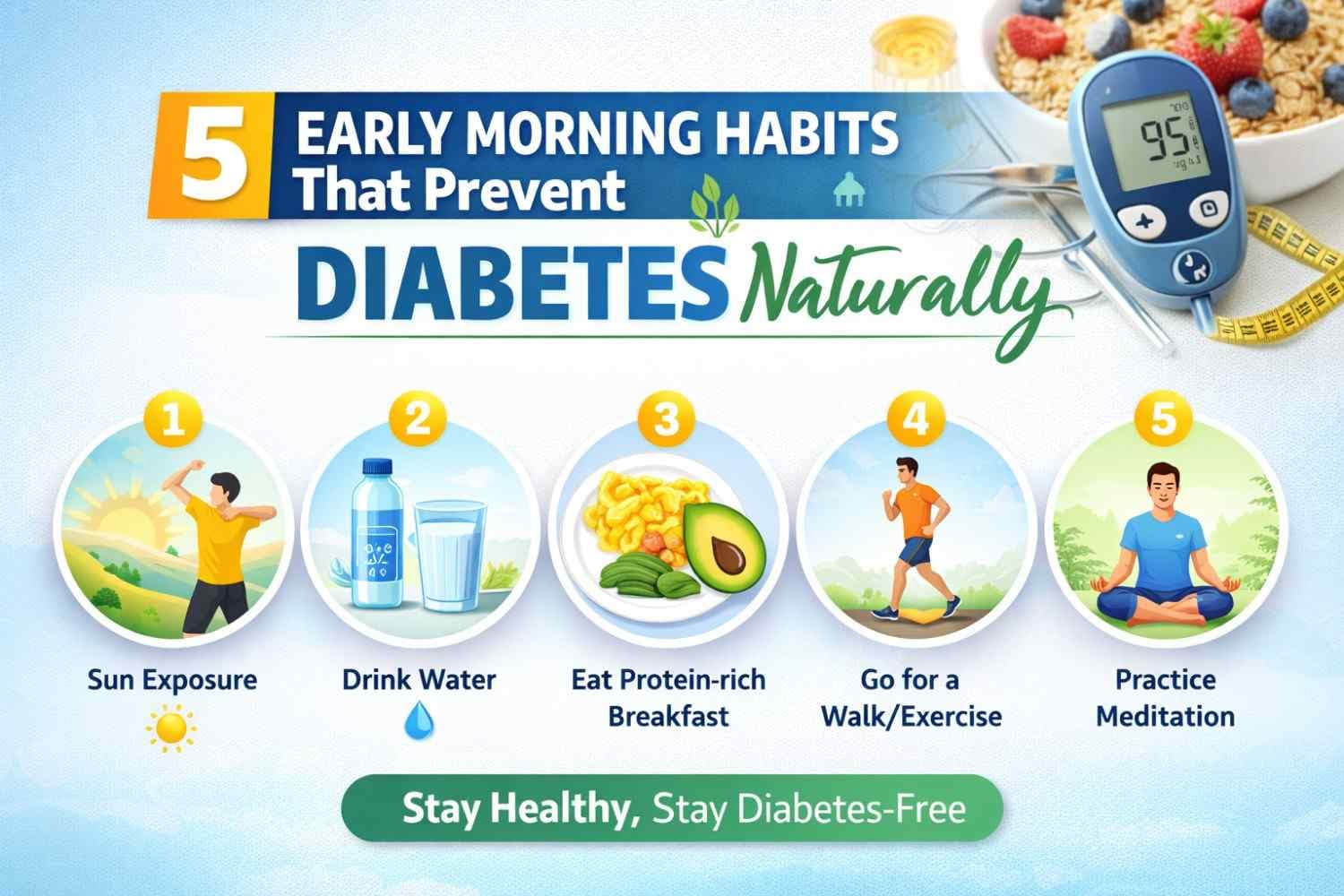
5 Early Morning Habits That Prevent Diabetes Naturally
Discover 5 powerful morning habits that naturally prevent diabetes. Expert advice from Dr. C.P. Singh, Senior Consultant Physician at Jigyasa Hospital, Moradabad. Call 7900903333.
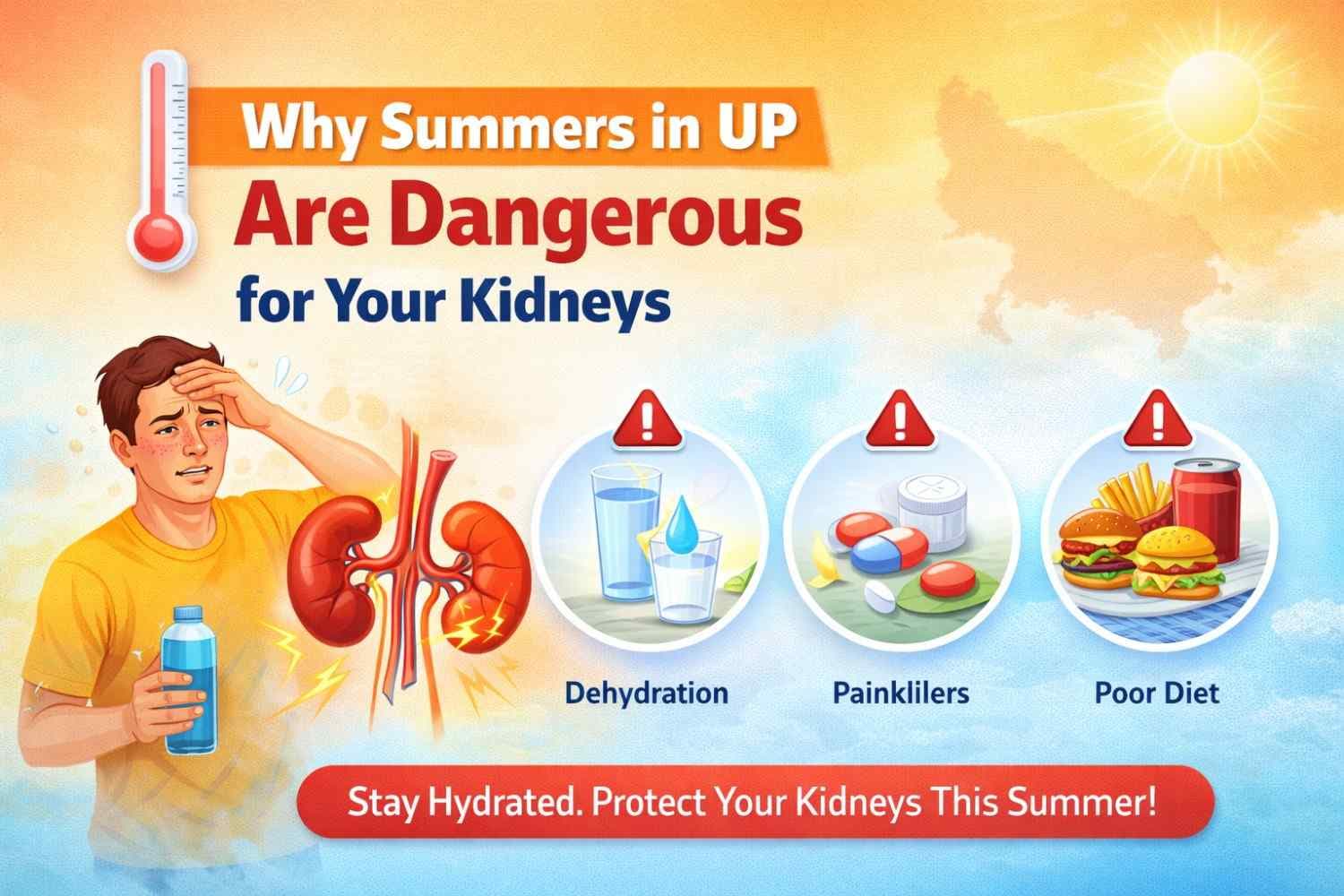
Why Summers in UP Are Dangerous for Your Kidneys
UP summers can silently damage your kidneys. Jigyasa Hospital Moradabad explains the hidden risks, warning signs, and how to protect your kidneys this season. Call 7900903333.