

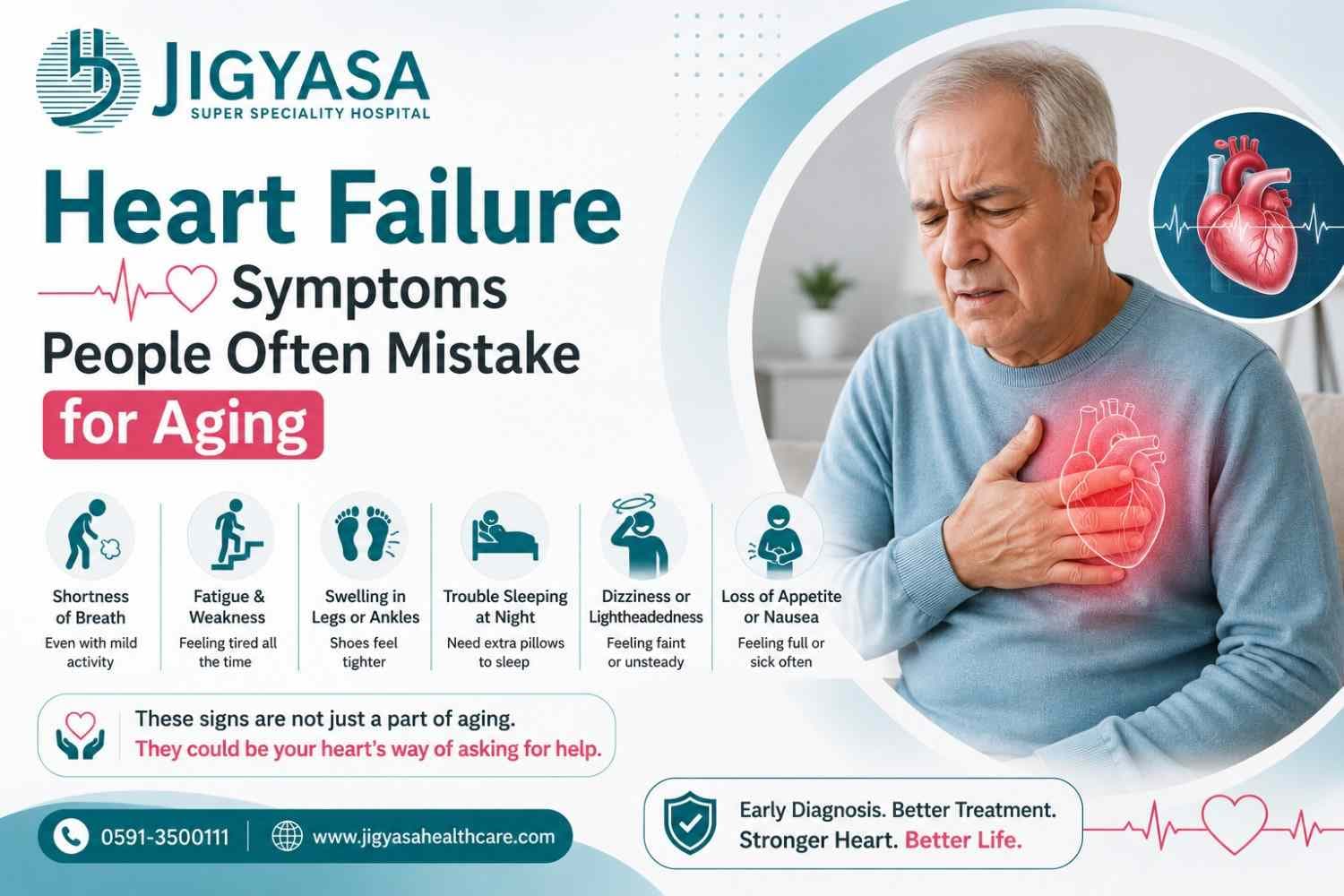
Heart Failure Symptoms People Often Mistake for Aging
Feeling more tired, breathless, or swollen than usual? These could be heart failure symptoms mistaken for normal aging.
"I thought I was just getting old." This is one of the most common statements cardiologists hear from patients eventually diagnosed with heart failure. Fatigue, breathlessness, and reduced stamina are so commonly associated with growing older that genuine warning signs of a weakening heart are frequently dismissed, delayed, or explained away — sometimes for months or years. At Jigyasa Hospital, Moradabad, our cardiology team, led by Dr. Amit Kumar Singh, regularly sees patients whose heart failure symptoms had been quietly progressing under the assumption that they were simply "slowing down with age." Recognizing the difference early can significantly change the course of treatment and quality of life.
What Is Heart Failure?
Heart failure doesn't mean the heart has stopped working — it means the heart isn't pumping blood as efficiently as the body needs. This can happen because the heart muscle has weakened and can't contract with enough force, or because it has become stiff and doesn't relax and fill properly between beats. Either way, the result is the same: reduced blood flow to the body's organs, and blood or fluid backing up into the lungs, legs, or abdomen.
Heart failure is often a gradual, progressive condition, developing over months or years due to underlying issues such as coronary artery disease, high blood pressure, valve disease, or prior heart attacks. Because the decline is slow, many of its early symptoms are subtle enough to blend into what people expect from normal aging.
Why Heart Failure Symptoms Get Mistaken for Aging
As people age, it's genuinely normal to notice some decline in stamina, occasional joint stiffness, and a general slowing down. This overlap creates a dangerous blind spot — both patients and, at times, their families assume that new physical limitations are simply part of getting older, without considering that an underlying heart condition may be the actual cause.
Additionally, heart failure symptoms tend to develop gradually rather than suddenly, making them easy to adapt to unconsciously. A person may simply start avoiding stairs, taking more rest breaks, or reducing activity without consciously recognizing that this represents a meaningful decline rather than natural aging.
Common Heart Failure Symptoms Often Dismissed as "Just Aging"
1. Increasing Fatigue and Weakness
Mistaken for: General tiredness that comes with age
The heart failure reality: When the heart can't pump enough oxygen-rich blood to the muscles and organs, the body compensates by redirecting blood flow away from less critical areas, leading to persistent fatigue and reduced stamina — even with adequate rest and sleep.
2. Breathlessness During Activities That Used to Be Easy
Mistaken for: Reduced fitness or "just being out of shape"
The heart failure reality: As the heart's pumping efficiency declines, fluid can back up into the lungs, making even mild exertion — climbing a flight of stairs, walking a short distance, or carrying groceries — feel disproportionately difficult.
3. Breathlessness While Lying Flat
Mistaken for: Simply needing a different sleeping position
The heart failure reality: Many patients with heart failure find they need to prop themselves up with extra pillows to breathe comfortably, or wake up suddenly gasping for air — a symptom that becomes progressively more noticeable and shouldn't be dismissed as a mattress or pillow issue.
4. Swelling in the Legs, Ankles, or Feet
Mistaken for: Normal fluid retention from standing, sitting too long, or "just aging joints"
The heart failure reality: When the heart can't pump effectively, blood can back up in the veins, causing fluid to leak into surrounding tissue — most noticeably in the lower legs and feet, often worsening throughout the day.
5. Sudden Weight Gain Over a Few Days
Mistaken for: Dietary changes or normal weight fluctuation
The heart failure reality: Rapid weight gain — sometimes two to three kilograms within a few days — can indicate fluid retention due to worsening heart failure, even without any change in eating habits.
6. Persistent Cough or Wheezing
Mistaken for: A lingering cold, allergies, or seasonal issues
The heart failure reality: Fluid accumulation in the lungs can cause a chronic cough, sometimes producing white or pink-tinged frothy mucus, which is frequently misattributed to respiratory illness rather than a cardiac cause.
7. Reduced Appetite and Abdominal Bloating
Mistaken for: Digestive changes that come with age
The heart failure reality: Fluid buildup in the abdomen and around the digestive organs can cause a feeling of fullness, bloating, or nausea, often leading patients to attribute the issue to their stomach rather than their heart.
8. Confusion or Difficulty Concentrating
Mistaken for: Normal age-related memory decline
The heart failure reality: Reduced blood flow to the brain, particularly in more advanced heart failure, can cause difficulty concentrating, confusion, or reduced alertness — symptoms that are easy to misattribute to aging, especially in older adults.
9. Rapid or Irregular Heartbeat
Mistaken for: Anxiety or "just getting older"
The heart failure reality: As the heart struggles to pump effectively, it may beat faster or irregularly to compensate, a symptom that shouldn't be assumed to be benign, particularly when it occurs alongside other symptoms listed here.
10. Reduced Ability to Exercise or Do Daily Tasks
Mistaken for: Natural decline in mobility or fitness with age
The heart failure reality: A noticeable, ongoing reduction in what someone can physically manage — compared to their own baseline just months or a year earlier — is a meaningful signal that shouldn't be dismissed as inevitable aging, especially when it progresses steadily rather than staying stable.
The Key Difference: Gradual Decline vs. Progressive Decline
Normal aging typically involves a slow, stable, and proportionate reduction in stamina and physical capacity over many years. Heart failure, on the other hand, often produces a more noticeable, progressive decline — where symptoms worsen over weeks to months, disproportionate to what would be expected purely from aging, and frequently accompanied by the physical signs listed above, such as swelling, breathlessness at rest, or overnight orthopnea (breathlessness while lying flat).
The presence of multiple symptoms together — rather than a single, isolated complaint — is often the strongest clue that something beyond normal aging may be occurring.
Who Is at Higher Risk?
- •Individuals with a history of heart attack or coronary artery disease
- •Long-standing high blood pressure
- •Diabetes
- •Valve disease
- •Prior heart infections or inflammatory heart conditions
- •Family history of heart failure or cardiomyopathy
- •Chronic kidney disease
- •History of excessive alcohol use, which can weaken the heart muscle over time
Why Early Recognition Matters
Heart failure is a progressive condition, but with timely diagnosis and appropriate treatment, its progression can often be significantly slowed, symptoms can be well controlled, and quality of life can be preserved for many years. Delayed diagnosis, on the other hand, allows the underlying heart dysfunction to worsen, increasing the risk of hospitalization, complications, and a more difficult treatment course.
This is why distinguishing true heart failure symptoms from ordinary aging isn't just an academic exercise — it directly affects how early a patient receives potentially life-changing treatment.
How Heart Failure Is Diagnosed at Jigyasa Hospital
At Jigyasa Hospital, Dr. Amit Kumar Singh evaluates suspected heart failure through:
- •Detailed clinical history and physical examination, assessing symptom pattern, onset, and severity
- •Echocardiography, to assess the heart's pumping function (ejection fraction) and structural abnormalities
- •ECG, to detect rhythm abnormalities or evidence of prior heart attack
- •Blood tests, including markers that can indicate the heart is under strain
- •Chest X-ray, to check for fluid in the lungs or heart enlargement
- •Coronary angiography, when underlying blocked arteries are suspected as a contributing cause
If blockages requiring treatment are identified, Dr. Singh personally performs coronary angioplasty and stenting (PCI) to help restore adequate blood flow to the heart muscle.
Managing Heart Failure
While treatment is individualized based on the specific type and severity of heart failure, general management typically includes:
- •Medications to reduce the heart's workload and manage fluid retention
- •Treating underlying causes, such as blocked arteries, high blood pressure, or valve disease
- •Dietary sodium restriction to reduce fluid buildup
- •Fluid intake management, in more advanced cases
- •Regular weight monitoring at home to catch early fluid retention
- •Structured physical activity as advised, since appropriate exercise can improve symptoms and quality of life in stable heart failure
- •Close, ongoing follow-up to adjust treatment as the condition evolves
When to Seek Prompt Medical Attention
- •Sudden or worsening breathlessness, especially at rest
- •Rapid weight gain over a few days
- •Increasing swelling in the legs or abdomen
- •Waking up gasping for breath
- •Chest pain or palpitations alongside other symptoms
- •A noticeable, unexplained decline in ability to perform everyday activities
Heart Care at Jigyasa Hospital, Moradabad
- •Comprehensive heart failure evaluation with ECG, echocardiography, and advanced testing
- •Expert management by Dr. Amit Kumar Singh and cardiology team
- •Coronary angioplasty and stenting for blockage-related heart failure
- •Ongoing monitoring and personalized treatment adjustment
Book a Cardiac Screening: 7900903333
Address: Near Miglani Cinema, Rampur Road, Moradabad – 244001
Online Appointments: jigyasahospital.com
ECG | Echocardiography | Coronary Angiography | Angioplasty & Stenting | Heart Failure Management | Preventive Cardiology | Ayushman Bharat Accepted
Key Takeaways
- •Heart failure symptoms like fatigue, breathlessness, and swelling are often mistaken for normal aging.
- •Multiple symptoms together — especially progressive decline, swelling, and breathlessness while lying flat — warrant cardiac evaluation.
- •Early diagnosis and treatment can significantly slow heart failure progression and preserve quality of life.
- •Risk factors include prior heart attack, high blood pressure, diabetes, valve disease, and family history.
- •Don't dismiss new or worsening symptoms as "just aging" — timely evaluation can be life-changing.
Frequently Asked Questions
Can heart failure occur in people who haven't had a heart attack?
Yes. While coronary artery disease is a common cause, heart failure can also result from long-standing high blood pressure, valve disease, heart muscle disorders, or other conditions unrelated to a prior heart attack.
Is heart failure the same as a heart attack?
No. A heart attack is a sudden event caused by a blocked artery, while heart failure is a chronic condition where the heart's pumping ability is reduced — sometimes as a result of a past heart attack, but not always.
If I'm just feeling more tired than before, does that mean I have heart failure?
Not necessarily — fatigue alone can have many causes. However, if it's accompanied by breathlessness, swelling, or a noticeable decline in what you could previously manage physically, it's worth getting evaluated rather than assuming it's simply age-related.
Can heart failure be reversed?
Some forms of heart failure, particularly those caused by a treatable underlying condition, can significantly improve with appropriate treatment. Even when full reversal isn't possible, symptoms can often be well controlled with consistent management.
How is heart failure different from normal age-related decline in stamina?
Normal aging typically causes a slow, stable, and proportionate decline, while heart failure often causes a more noticeable, progressive decline accompanied by specific signs such as swelling, breathlessness at rest, or difficulty lying flat.
Related Articles
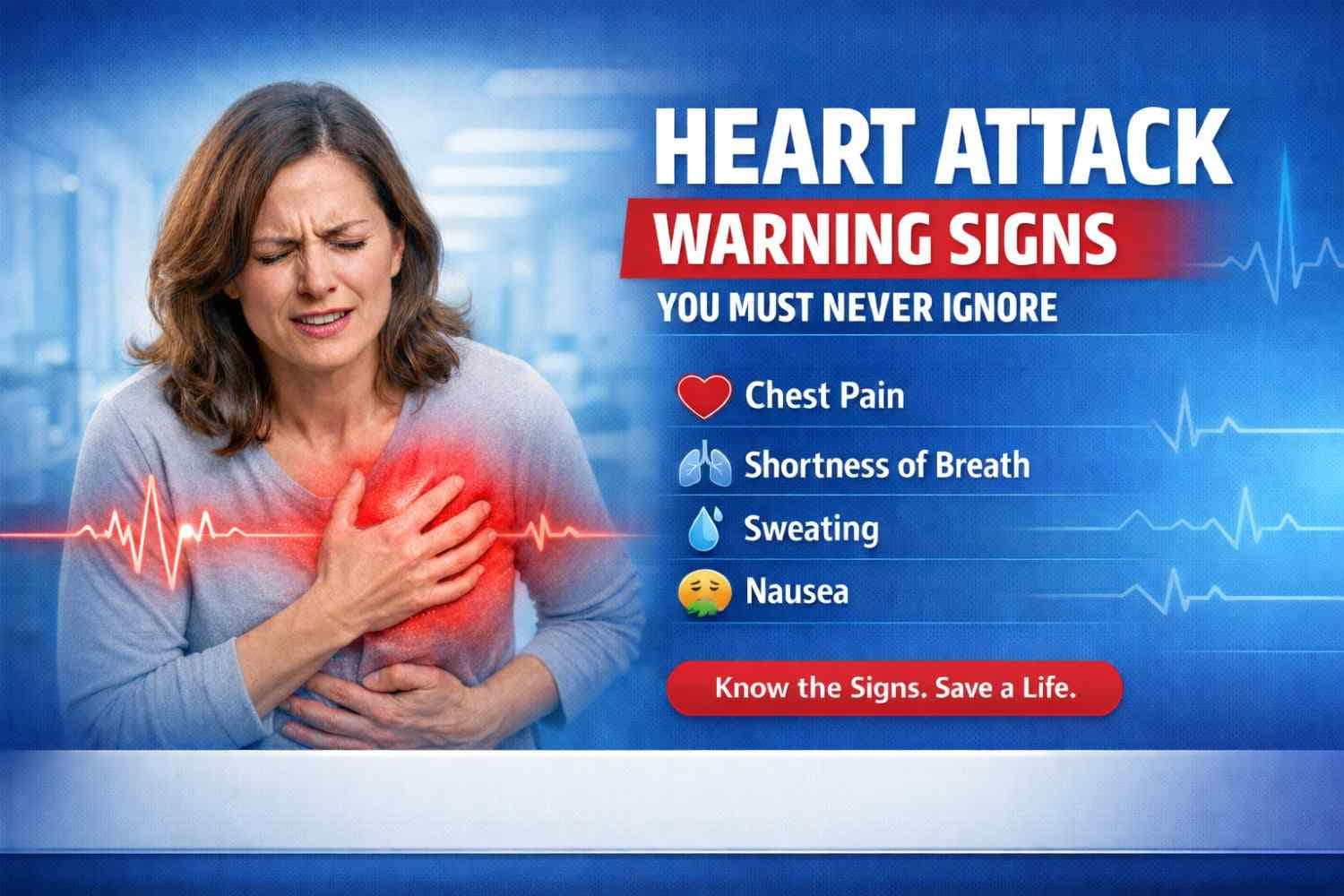
Heart Attack Warning Signs You Must Never Ignore
Recognizing heart attack symptoms early can save your life. Learn the critical warning signs from Dr. Amit Kumar Singh, Senior Interventional Cardiologist at Jigyasa Hospital, Moradabad. Call 7900903333.
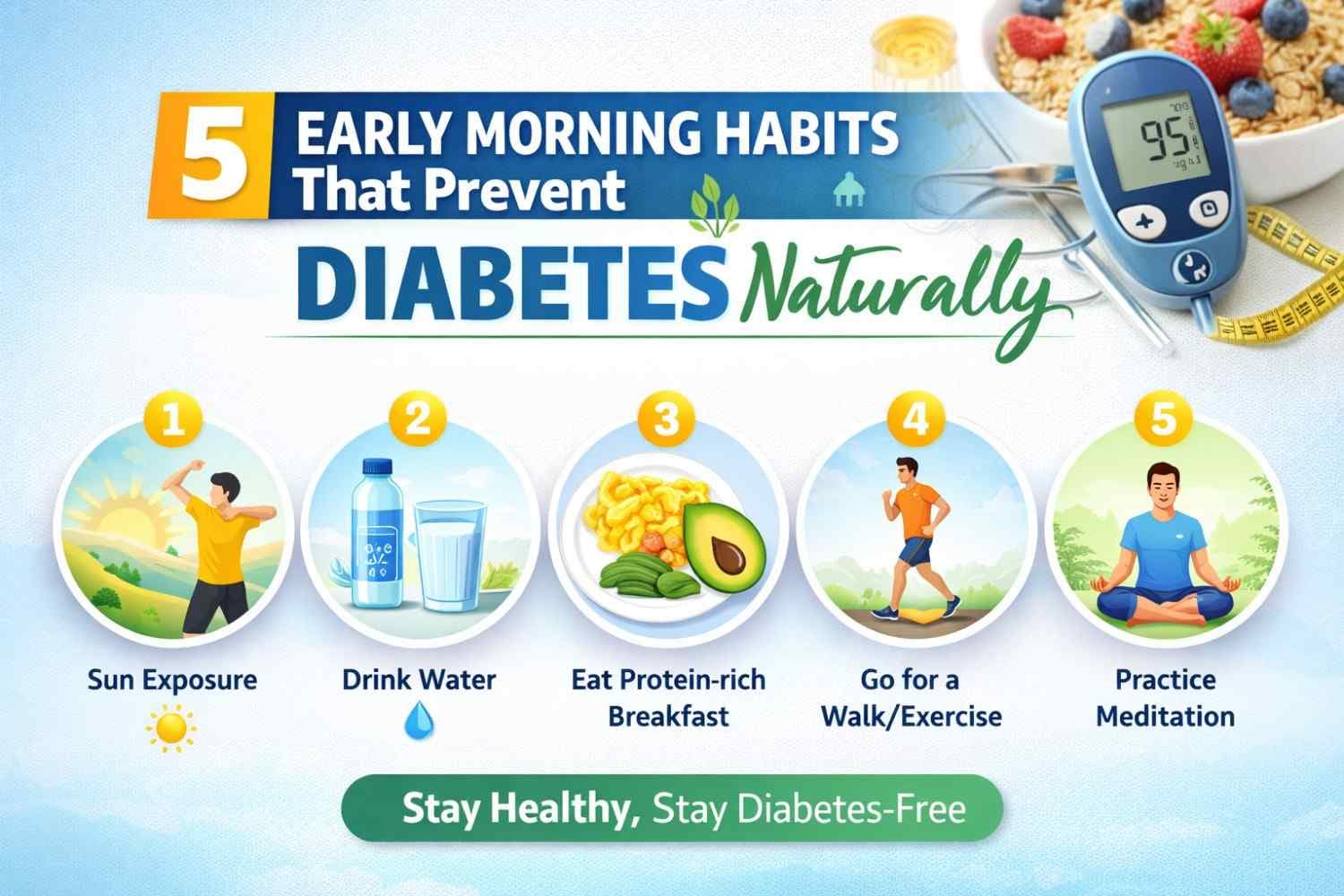
5 Early Morning Habits That Prevent Diabetes Naturally
Discover 5 powerful morning habits that naturally prevent diabetes. Expert advice from Dr. C.P. Singh, Senior Consultant Physician at Jigyasa Hospital, Moradabad. Call 7900903333.
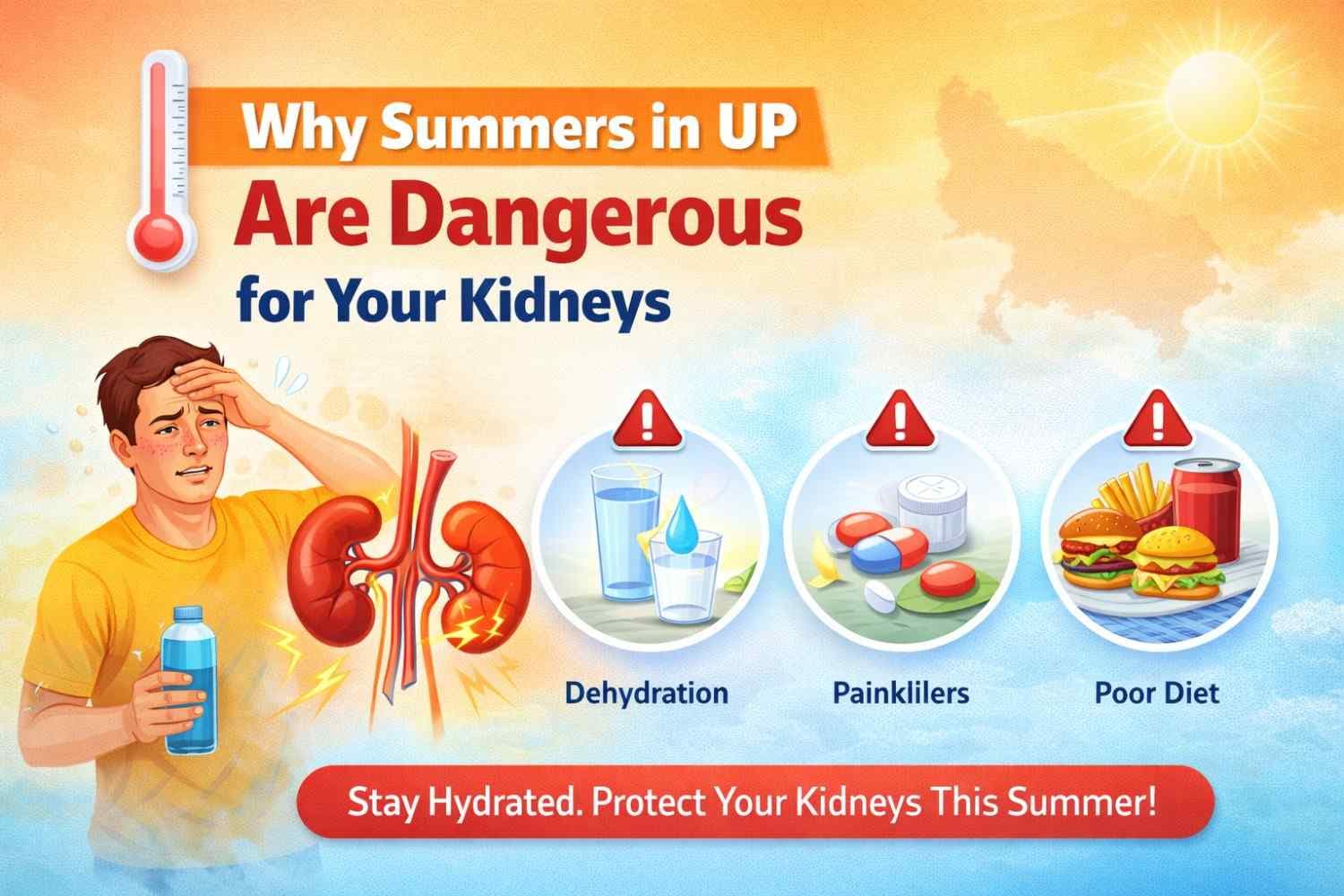
Why Summers in UP Are Dangerous for Your Kidneys
UP summers can silently damage your kidneys. Jigyasa Hospital Moradabad explains the hidden risks, warning signs, and how to protect your kidneys this season. Call 7900903333.