
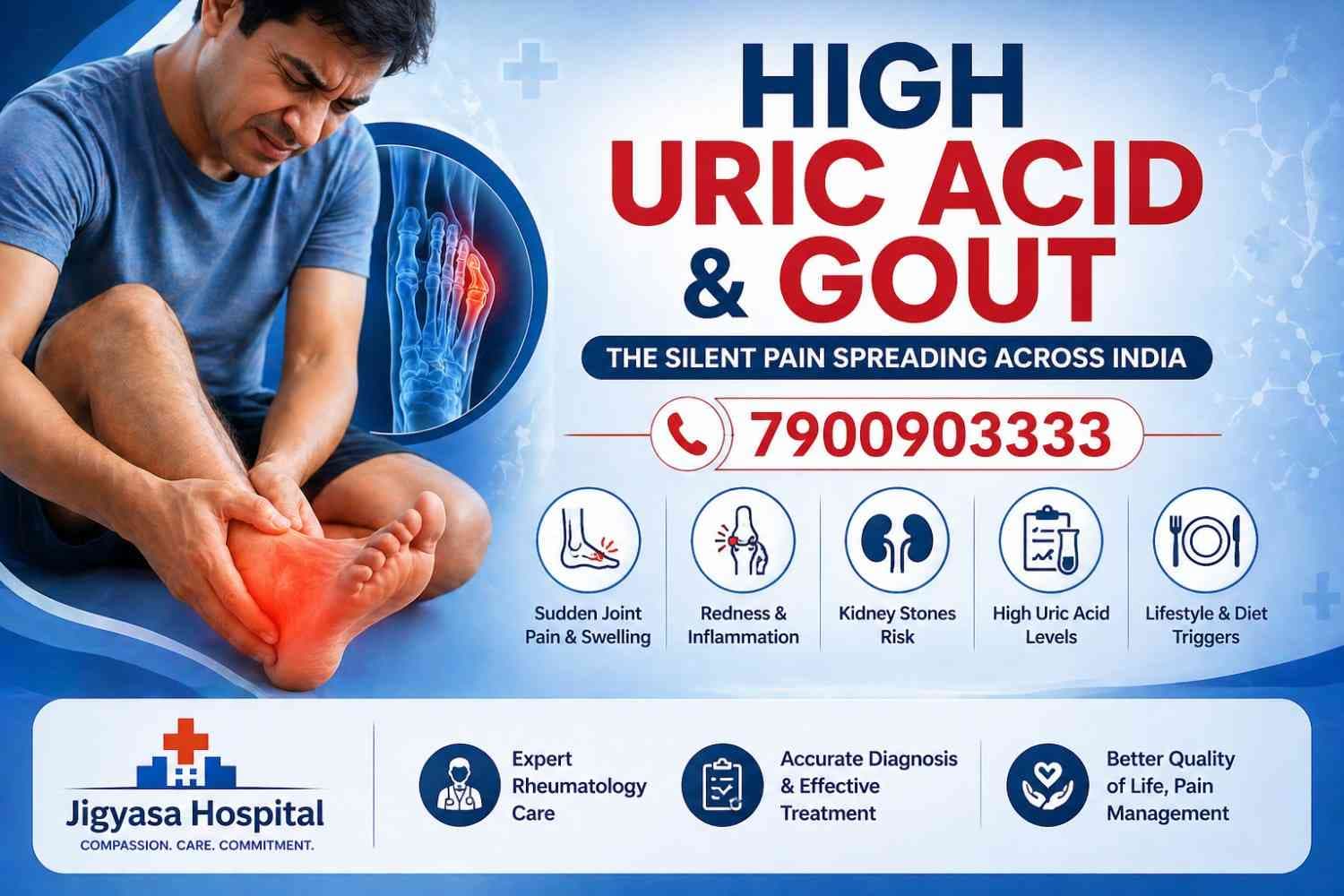
High Uric Acid & Gout — The Silent Pain Spreading Across India
Gout and high uric acid are silently affecting millions of Indians. Jigyasa Hospital Moradabad answers every question — causes, diet, treatment & when to see a doctor.
India is experiencing a sharp rise in uric acid-related disorders — and millions of Indians are walking around with elevated uric acid and no symptoms, until their first gout attack strikes without warning. Gout is completely manageable. High uric acid is reversible. But neither will improve without action. At Jigyasa Hospital, Moradabad, our Internal Medicine and General Physician team offers comprehensive uric acid evaluation, personalised dietary counselling, and evidence-based medical management — so your next gout attack is your last.
What Exactly Is Uric Acid and Why Does It Rise in the Body?
Uric acid is a natural waste product formed when the body breaks down purines — chemical compounds found in many foods and produced naturally by the body during cell turnover. Under normal conditions, uric acid dissolves in the blood, passes through the kidneys, and leaves the body in urine.
The problem begins when the body either produces too much uric acid or the kidneys excrete too little of it — or both. When uric acid levels rise beyond the body's ability to keep it dissolved, it begins to crystallise. These sharp, needle-like crystals deposit in joints, soft tissues, and kidneys — causing the painful, damaging conditions of gout and kidney stones.
- •Men: Normal range 3.5 to 7.2 mg/dL
- •Women: Normal range 2.6 to 6.0 mg/dL (lower because oestrogen helps the kidneys excrete uric acid)
- •Levels consistently above these ranges indicate hyperuricaemia (high uric acid)
Why Is High Uric Acid Becoming So Common Across India?
India is experiencing a sharp rise in uric acid-related disorders, and the reasons are deeply rooted in how modern Indian life has changed.
- •Dietary shifts: The increasing consumption of red meat, organ meats, high-fructose processed foods, packaged snacks, sugary beverages, and alcohol — particularly beer — has dramatically increased purine load in the Indian diet.
- •Lifestyle factors: Sedentary work habits, dehydration (particularly dangerous in UP's extreme summer heat), obesity, and metabolic syndrome are all independently associated with impaired uric acid excretion by the kidneys.
- •Genetic predisposition: Indians — particularly from northern states including Uttar Pradesh — have a higher genetic tendency toward impaired renal uric acid clearance, meaning they develop hyperuricaemia at lower levels of dietary purine intake than their Western counterparts.
- •Medication effects: Commonly used medications including certain diuretics (water pills for blood pressure), low-dose aspirin, and some immunosuppressants directly raise uric acid levels as a side effect.
The result: millions of Indians are walking around with elevated uric acid and no symptoms — until their first gout attack strikes without warning.
What Is Gout and How Is It Connected to Uric Acid?
Gout is a form of inflammatory arthritis caused directly by the deposition of monosodium urate (MSU) crystals — formed from excess uric acid — in and around joints and soft tissues. When these crystals accumulate in a joint, the immune system recognises them as foreign bodies and launches an intense inflammatory response.
This produces the hallmark gout attack: sudden, severe, agonising joint pain — often striking in the middle of the night without any warning, in a joint that was completely fine hours before. Gout is not simply 'joint pain.' It is the body's inflammatory immune response to uric acid crystals, and without treatment, each attack causes progressive joint damage, chronic pain, and potentially serious kidney disease.
What Does a Gout Attack Feel Like?
A gout attack is one of the most distinctive and unmistakable forms of pain in medicine. Patients consistently describe it as:
- •Sudden onset — often beginning at night or in the early morning hours
- •Excruciating, severe pain — many patients describe it as the worst pain they have ever felt, unable to bear even the weight of a bedsheet on the affected joint
- •Redness and warmth — the affected joint becomes visibly red, hot to the touch, and swollen
- •Extreme tenderness — even a slight touch or gentle breeze on the joint causes intense pain
- •Rapid progression — the attack typically reaches maximum intensity within 12 to 24 hours
The most commonly affected joint is the big toe — a condition classically called podagra. However, gout can also strike the ankle, knee, wrist, elbow, and fingers. In advanced, long-standing gout, multiple joints can be affected simultaneously. An acute gout attack without treatment typically subsides within 7 to 10 days — but without addressing the underlying uric acid level, attacks return more frequently, more severely, and in more joints.
What Are the Long-Term Complications of Untreated High Uric Acid?
Between attacks, when there is no pain, patients often assume the problem has resolved. It has not. The uric acid crystals are still accumulating silently, causing progressive damage.
- •Tophi — large deposits of uric acid crystals that form hard, chalky lumps under the skin — typically around joints, in the ear cartilage, and on the fingers and toes. Tophi indicate advanced, long-standing gout and cause permanent joint deformity.
- •Chronic gouty arthritis — repeated attacks over years lead to persistent joint pain, stiffness, and damage even between acute episodes. Joint destruction can become severe enough to impair daily function.
- •Kidney stones — uric acid is one of the most common causes of kidney stones in India. Chronically elevated uric acid saturates the urine, leading to crystal formation in the urinary tract causing severe flank pain, blood in urine, and recurrent infections.
- •Chronic kidney disease (CKD) — high uric acid is both a cause and a consequence of kidney disease. Urate crystals deposit in kidney tissue, causing inflammation and progressive loss of kidney function — creating a vicious cycle.
- •Cardiovascular disease — high uric acid is now recognised as an independent risk factor for hypertension, heart attack, and stroke. The systemic inflammation driven by uric acid crystals damages blood vessels over time.
What Foods Raise Uric Acid and What Should Be Avoided?
Diet is the most modifiable factor in uric acid management. The following foods significantly raise uric acid levels and should be reduced or eliminated:
- •Red meat — mutton, beef, pork, especially in large portions
- •Organ meats — kidney, liver, brain — extremely high in purines
- •Seafood — prawns, crabs, sardines, anchovies, mackerel
- •Alcohol — particularly beer and spirits; alcohol impairs renal uric acid excretion directly
- •Sugary drinks and packaged juices sweetened with fructose — fructose stimulates uric acid production independently of purine content
- •Refined carbohydrates — white bread, maida-based foods — worsen insulin resistance, which impairs uric acid excretion
- •Full-fat dairy in excess — moderate evidence suggests a contribution
Moderate-purine foods to limit but not eliminate: dal, rajma, chana, and other legumes (only a concern in very high quantities); mushrooms, spinach, cauliflower (minor contributors; generally acceptable in moderation for most patients).
What Foods and Habits Lower Uric Acid Naturally?
- •Water — the most important intervention. Drinking 3 to 4 litres of water daily dramatically increases urinary uric acid excretion. Particularly critical in UP summer months.
- •Low-fat dairy — skimmed milk and low-fat curd are consistently shown to lower serum uric acid. They contain uricosuric proteins that promote kidney excretion of uric acid.
- •Cherries and vitamin C-rich foods — cherry consumption is associated with significant reduction in gout attack frequency. Amla, citrus fruits, and guava provide vitamin C, which has a mild uricosuric effect.
- •Coffee — moderate consumption (2 to 3 cups daily, unsweetened) is associated with lower uric acid levels through multiple mechanisms.
- •Weight management — even modest weight loss reduces uric acid levels measurably. Every kilogram of excess body weight adds to uric acid production and impairs its excretion.
- •Alkaline foods — vegetables, whole grains, and fruits that alkalinise urine help dissolve and excrete uric acid more efficiently.
- •Exercise — regular moderate physical activity improves insulin sensitivity, reduces obesity, and supports kidney function. Avoid intense exercise during an acute gout attack, which can worsen crystal deposition temporarily.
What Is the Medical Treatment for Gout and High Uric Acid?
During an Acute Gout Attack
- •NSAIDs (indomethacin, etoricoxib, naproxen) — first-line for pain and inflammation during an attack; should be started as early as possible
- •Colchicine — highly effective when taken within the first 24 hours of an attack; reduces inflammatory response to uric acid crystals
- •Corticosteroids — used when NSAIDs and colchicine are contraindicated, such as in patients with kidney disease
Important: Do not start urate-lowering therapy during an acute attack — this can prolong or worsen the episode.
For Long-Term Uric Acid Control (Urate-Lowering Therapy)
- •Allopurinol — the gold-standard urate-lowering medication; reduces uric acid production by inhibiting xanthine oxidase. Started at a low dose and gradually increased to reach a target uric acid below 6 mg/dL (below 5 mg/dL in patients with tophi).
- •Febuxostat — an alternative xanthine oxidase inhibitor for patients who cannot tolerate allopurinol
- •Probenecid — a uricosuric agent that increases renal excretion of uric acid; used in underexcretors with good kidney function
Target: The goal of treatment is to bring serum uric acid below 6 mg/dL — the level at which existing crystals begin to dissolve and new deposits stop forming. This target must be maintained long-term.
Who Is Most at Risk for Gout in India?
- •Men aged 30 to 60 — gout is 4 times more common in men than women
- •Postmenopausal women — oestrogen loss removes its protective effect on uric acid excretion
- •Patients with hypertension, diabetes, obesity, or metabolic syndrome
- •Anyone taking diuretics (water pills) for blood pressure
- •People with a family history of gout
- •Anyone who consumes alcohol regularly — even in moderate amounts
- •Patients with chronic kidney disease
- •People who are frequently dehydrated — outdoor workers, those in high-heat environments like UP summers
When Should You See a Doctor at Jigyasa Hospital for Uric Acid?
See the Internal Medicine team at Jigyasa Hospital, Moradabad if:
- •You experience sudden, severe joint pain — particularly in the big toe, ankle, or knee — especially at night
- •Your uric acid blood test shows levels above 7 mg/dL (men) or 6 mg/dL (women)
- •You have had more than one gout attack in the past year
- •You notice hard lumps forming around your joints or ear cartilage
- •You have blood in your urine or severe flank pain — possible uric acid kidney stones
- •You have high uric acid alongside diabetes, hypertension, or kidney disease
- •Your gout attacks are not responding to over-the-counter pain medication
Gout is completely manageable. High uric acid is reversible. But neither will improve without action — dietary changes alone are rarely sufficient once levels are significantly elevated, and medical treatment is both safe and highly effective. At Jigyasa Hospital, Moradabad, our Internal Medicine and General Physician team offers comprehensive uric acid evaluation, personalised dietary counselling, and evidence-based medical management — so your next gout attack is your last.
📞 Call: 7900903333
📍 Address: Near Miglani Cinema, Rampur Road, Moradabad – 244001
📧 Email: info@jigyasahospital.in
🌐 Website: jigyasahospital.com
✅ Uric Acid Testing | Gout Management | Internal Medicine OPD | Ayushman Bharat Accepted
The pain is telling you something. Come to Jigyasa Hospital — and let us answer it.
Frequently Asked Questions
What is the normal uric acid level in India?
Normal uric acid levels are 3.5 to 7.2 mg/dL for men and 2.6 to 6.0 mg/dL for women. Levels consistently above these ranges indicate hyperuricaemia (high uric acid). For patients with a history of gout or tophi, the treatment target is to bring uric acid below 6 mg/dL (or below 5 mg/dL in patients with tophi) and maintain it long-term.
What does a gout attack feel like?
A gout attack typically begins suddenly at night with excruciating pain — often described as the worst pain the patient has ever experienced. The affected joint (most commonly the big toe) becomes intensely red, swollen, hot, and so tender that even the weight of a bedsheet is unbearable. The attack reaches maximum intensity within 12 to 24 hours and typically subsides within 7 to 10 days without treatment — but recurs without addressing the underlying uric acid level.
Which foods should I avoid if I have high uric acid?
Avoid or strictly limit red meat (mutton, beef, pork), organ meats (kidney, liver, brain), seafood (prawns, crabs, sardines), alcohol (especially beer), sugary drinks and packaged juices sweetened with fructose, and refined carbohydrates (white bread, maida). Moderate-purine foods like dal, rajma, and some vegetables are generally safe in normal quantities for most patients.
How can I lower uric acid naturally?
The most effective natural strategies are: drinking 3 to 4 litres of water daily (the single most impactful intervention), consuming low-fat dairy (skimmed milk, low-fat curd), eating vitamin C-rich foods (amla, citrus, guava), managing body weight, eating alkalising fruits and vegetables, and exercising regularly. However, once uric acid is significantly elevated, dietary changes alone are often insufficient and medical treatment is required.
What is the difference between gout and normal joint pain?
Gout pain is distinctive — it comes on suddenly (often at night), reaches excruciating intensity within hours, is accompanied by visible redness and swelling, and is triggered by uric acid crystal deposition in the joint. Normal joint pain (from injury or wear-and-tear arthritis) develops gradually, is associated with activity or aging, and does not typically cause the dramatic redness and acute-onset severity characteristic of gout.
Is gout curable or only manageable?
Gout is highly manageable and in many cases effectively cured of its attacks with the right treatment. Long-term urate-lowering therapy (primarily allopurinol) combined with dietary changes can bring uric acid to target levels, dissolve existing crystals over time, and prevent future attacks entirely. The key is consistent, long-term treatment — not just treating attacks as they arise.
Where can I get uric acid testing and gout treatment in Moradabad?
Jigyasa Hospital, Moradabad, offers comprehensive uric acid blood testing, gout evaluation, personalised dietary counselling, and evidence-based medical management by our Internal Medicine and General Physician team. Ayushman Bharat PM-JAY is accepted. Call 7900903333 or visit Near Miglani Cinema, Rampur Road, Moradabad – 244001.
Related Articles

Heart Attack Warning Signs You Must Never Ignore
Recognizing heart attack symptoms early can save your life. Learn the critical warning signs from Dr. Amit Kumar Singh, Senior Interventional Cardiologist at Jigyasa Hospital, Moradabad. Call 7900903333.

5 Early Morning Habits That Prevent Diabetes Naturally
Discover 5 powerful morning habits that naturally prevent diabetes. Expert advice from Dr. C.P. Singh, Senior Consultant Physician at Jigyasa Hospital, Moradabad. Call 7900903333.
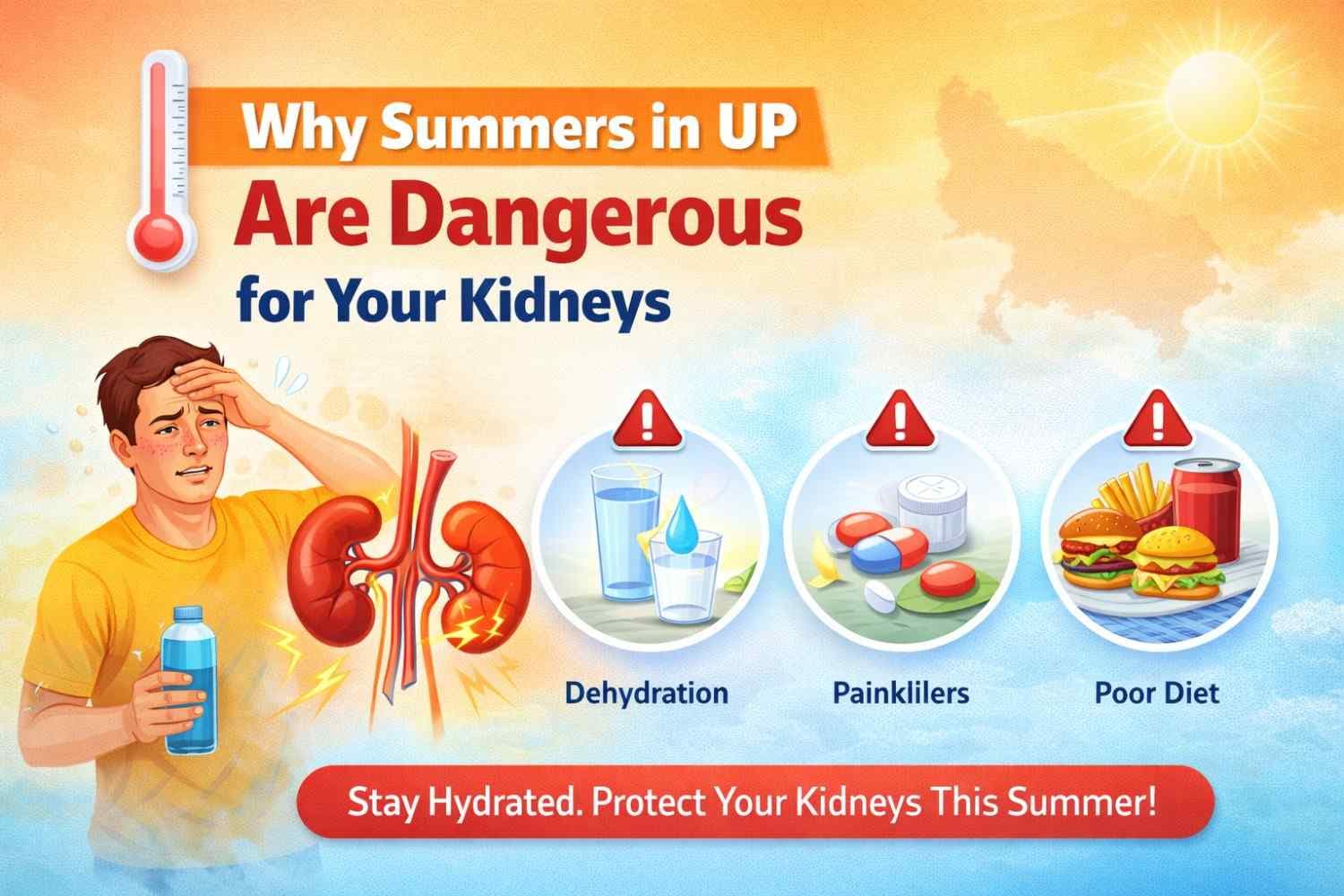
Why Summers in UP Are Dangerous for Your Kidneys
UP summers can silently damage your kidneys. Jigyasa Hospital Moradabad explains the hidden risks, warning signs, and how to protect your kidneys this season. Call 7900903333.