
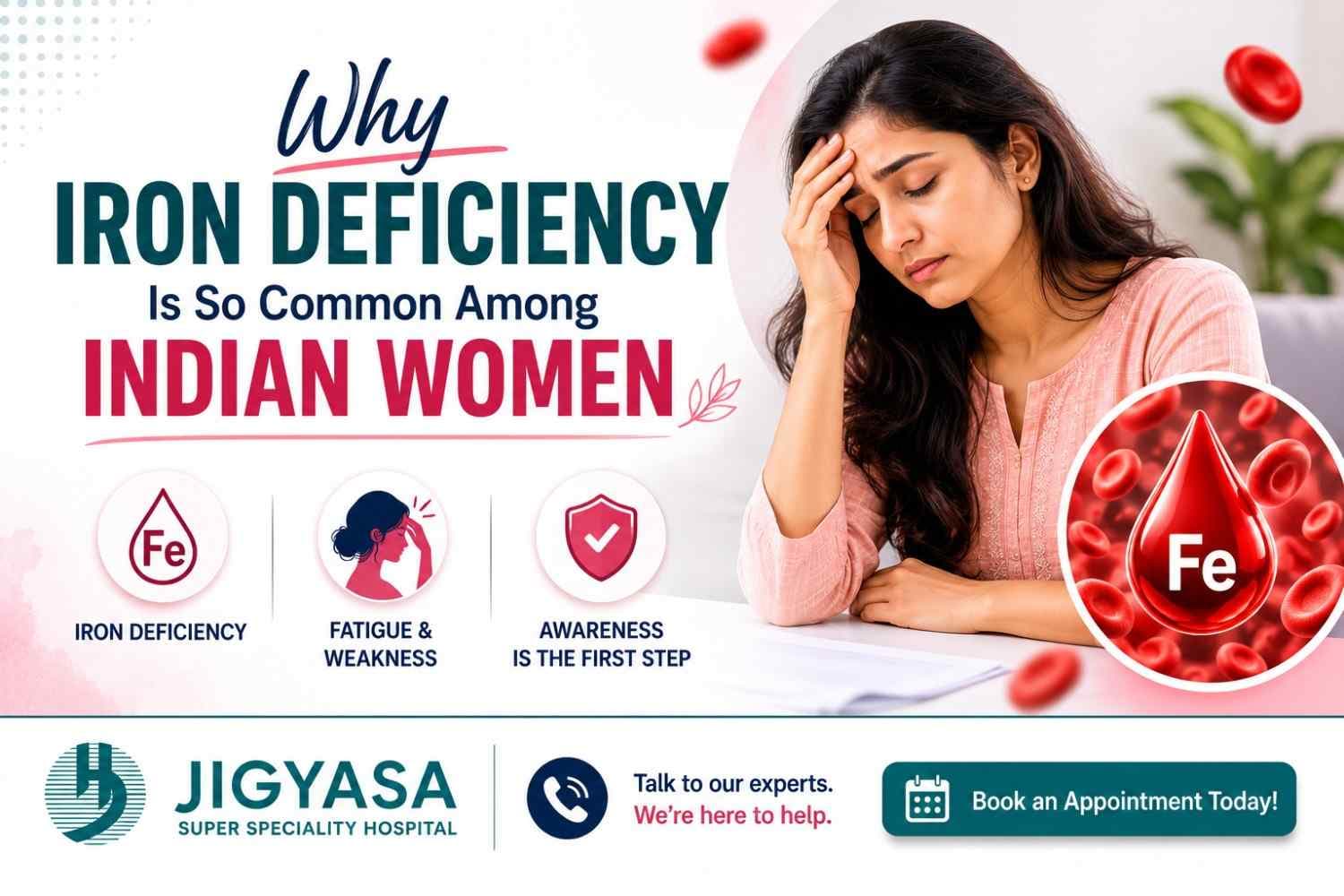
Why Iron Deficiency Is So Common Among Indian Women
Nearly 57% of Indian Women Are Anaemic. Jigyasa Hospital Moradabad Explains Why Iron Deficiency Is So Widespread, the Warning Signs You May Be Ignoring, and How to Fix It Effectively.
According to the National Family Health Survey (NFHS-5), nearly 57% of women aged 15–49 in India are anaemic — making iron deficiency the single most widespread nutritional disorder among Indian women. Yet it remains massively underdiagnosed — because its symptoms are vague, gradual, and easily dismissed as 'just tiredness' or 'just stress.' Women in cities like Moradabad, Bareilly, and across Uttar Pradesh are among the most affected — with anaemia rates in UP consistently higher than the national average. At Jigyasa Hospital, Moradabad, a significant number of women presenting with fatigue, breathlessness, hair loss, and dizziness are found — on a simple blood test — to be severely iron deficient. This blog explains exactly why iron deficiency is so prevalent among Indian women, the signs most women overlook, and what genuinely works to fix it.
What Is Iron Deficiency & Why Does It Matter?
- •Iron is an essential mineral the body uses to produce haemoglobin — the protein in red blood cells that carries oxygen from the lungs to every organ and tissue.
- •When iron levels are too low, the body cannot produce enough healthy red blood cells — resulting in iron deficiency anaemia.
- •Without adequate oxygen delivery, every system in the body — the brain, muscles, heart, and immune system — begins to function below capacity.
- •In pregnant women, it significantly increases the risk of preterm birth, low birth weight, and maternal mortality.
- •In adolescent girls, it impairs cognitive development, academic performance, and physical growth.
- •In working women, it reduces productivity, concentration, and quality of life dramatically.
- •Even mild, subclinical iron deficiency — where haemoglobin is still in the 'normal' range — causes measurable fatigue and brain fog.
Why Is Iron Deficiency So Much More Common in Indian Women?
Monthly Blood Loss Through Menstruation: Every menstrual cycle causes blood loss — and with it, significant iron loss. Women with heavy periods (menorrhagia) lose far more iron than the diet typically replaces. In India, heavy or prolonged periods are extremely common — often due to underlying conditions like fibroids, PCOS, thyroid disorders, or adenomyosis — many of which go undiagnosed for years. This creates a monthly deficit that accumulates slowly but steadily into significant deficiency.
Predominantly Vegetarian or Low-Meat Diets: India has one of the highest rates of vegetarianism in the world — and plant-based diets, while healthy in many ways, are a significant risk factor for iron deficiency. Two types of iron exist in food:
- •Haem iron (found in red meat, poultry, fish): absorbed at a rate of 15–35% by the body.
- •Non-haem iron (found in lentils, spinach, beans, fortified cereals): absorbed at only 2–20% — and even less when eaten with absorption-blocking foods.
Most Indian women rely almost entirely on non-haem iron sources — dal, palak, rajma, chana — which the body absorbs far less efficiently.
Iron Absorption Blocked by Common Indian Foods and Habits: Several everyday staples in Indian diets actively block iron absorption when consumed alongside iron-rich foods:
- •Tea and coffee: Tannins in chai — consumed by most Indian women multiple times daily — bind to iron in the gut and prevent its absorption. Drinking chai within an hour of a meal can reduce iron absorption by up to 60–70%.
- •Phytates: Found in whole grains and legumes — ironically, the same foods considered healthy and iron-rich also contain phytates that inhibit iron absorption.
- •Calcium: Dairy products (milk, paneer, curd) consumed at the same meal as iron-rich foods compete for absorption.
- •Excess fibre: Can accelerate gut transit and reduce absorption time for minerals including iron.
Multiple Pregnancies and Insufficient Recovery Time: Each pregnancy places enormous iron demands on a woman's body — the growing fetus and placenta require large quantities of iron, and delivery involves significant blood loss. In India, many women — particularly in smaller cities and rural areas — have two or more pregnancies in quick succession, without sufficient recovery time or iron replenishment between them. India's maternal anaemia rate stands at around 52% (NFHS-5) — meaning more than half of pregnant Indian women are already iron deficient during the most iron-demanding period of their lives.
Socioeconomic Factors and Dietary Inequality: In many Indian households, women eat last and least — particularly in joint families or lower-income households. Protein and micronutrient-rich foods (eggs, meat, pulses, nuts, green vegetables) are often consumed in smaller quantities by women than by men or children. Limited access to diverse, nutrient-dense food — combined with heavy physical and domestic workloads — creates a chronic nutritional gap that iron deficiency exploits.
Lack of Awareness and Routine Screening: Most Indian women have never had a haemoglobin test done outside of pregnancy — even though the WHO recommends screening all women of reproductive age. Symptoms like fatigue, cold hands and feet, and headaches are so normalised — especially among women juggling work, family, and household responsibilities — that iron deficiency goes unrecognised for years.
Symptoms of Iron Deficiency Women Most Commonly Ignore
- •Persistent fatigue and weakness — especially in the afternoons — often written off as 'overwork'
- •Pale inner eyelids, gums, and nail beds — one of the most reliable visual signs
- •Unusual hair loss or thinning — iron is essential for hair follicle health
- •Brittle nails or nails with a spoon-shaped curve (koilonychia)
- •Shortness of breath during routine activities like climbing stairs or walking
- •Heart palpitations — the heart works harder to compensate for low oxygen delivery
- •Frequent headaches and difficulty concentrating — brain receives less oxygen
- •Restless legs syndrome — an uncomfortable urge to move legs at night, strongly linked to low iron
- •Craving to eat ice, mud, or chalk (Pica) — a tell-tale sign of severe iron deficiency, surprisingly common but rarely discussed
- •Recurrent infections and slow healing — iron is critical for immune function
How to Correct Iron Deficiency — What Actually Works
Increase Dietary Iron — The Smart Way:
- •Best plant-based iron sources: Masoor dal, rajma, chana, tofu, pumpkin seeds, dark leafy greens (palak, methi, drumstick leaves), jaggery (gud), sesame seeds (til), and fortified atta or cereals.
- •Best animal-based sources (for non-vegetarians): Chicken liver, eggs, red meat, fish — among the most bioavailable iron sources available.
- •Cooking tip: Cook in iron kadhai/cookware — this leaches small but meaningful amounts of iron into food, a traditional Indian practice with genuine nutritional benefit.
Pair Iron Foods With Vitamin C — Always: Vitamin C dramatically enhances non-haem iron absorption — by up to 3–6 times. Simple habit: add a squeeze of lemon to your dal, eat amla (Indian gooseberry) alongside meals, or have a small glass of nimbu pani with lunch. Tomatoes, capsicum, guava, and citrus fruits are all excellent Vitamin C pairings with iron-rich meals.
Separate Iron and Absorption Blockers:
- •Avoid drinking chai or coffee within 1 hour before or after meals — this single habit change can significantly improve iron absorption over time.
- •Avoid eating dairy and iron-rich foods at the same time — have your curd or milk as a separate snack.
Iron Supplementation — When Diet Is Not Enough: For women with diagnosed iron deficiency anaemia, dietary changes alone are rarely sufficient — medical supplementation is necessary.
- •Oral iron tablets (ferrous sulphate, ferrous bisglycinate, or iron polymaltose) are the standard first-line treatment.
- •IV iron infusion is recommended for women with severe anaemia, poor oral tolerance, pregnancy-related anaemia, or those who do not respond to tablets — a service available at Jigyasa Hospital, Moradabad.
- •Always take iron supplements as prescribed — and follow up with a blood test in 4–8 weeks to confirm response.
Get Tested at Jigyasa Hospital, Moradabad
- •A simple Complete Blood Count (CBC) test can diagnose iron deficiency anaemia in minutes.
- •We also offer serum ferritin, serum iron, and TIBC tests — which detect iron deficiency even before haemoglobin drops, allowing treatment to begin earlier.
- •Our General Medicine and Gynaecology teams provide personalised treatment plans — including IV iron infusion where required — for women at all stages of life.
- •If heavy periods, PCOS, or fibroids may be contributing to your iron loss, our gynaecology department can investigate and address the underlying cause.
Book a Blood Test or Consultation: 7900903333
Address: Near Miglani Cinema, Rampur Road, Moradabad – 244001
Appointments Online: jigyasahospital.com
CBC | Serum Ferritin | Serum Iron | TIBC | IV Iron Infusion | Gynaecology OPD | Ayushman Bharat Accepted
Key Takeaways
- •Iron deficiency is the most widespread nutritional problem among Indian women — affecting nearly 57% — yet remains massively underdiagnosed.
- •The main causes are menstrual blood loss, vegetarian diets with low iron bioavailability, tea consumption blocking absorption, multiple pregnancies, and poor dietary awareness.
- •Symptoms like fatigue, hair loss, breathlessness, and palpitations are often normalised — but a simple blood test can confirm the diagnosis in minutes.
- •Dietary correction, smart food pairing, and medical supplementation (oral or IV) are all effective — but the right approach depends on the severity of deficiency.
- •Every woman over 15 should have her haemoglobin checked at least once a year — book yours at Jigyasa Hospital today.
Frequently Asked Questions
What is the normal haemoglobin level for women?
For adult non-pregnant women, the normal haemoglobin range is 12–16 g/dL. Below 12 g/dL is classified as anaemia; below 8 g/dL is considered severe anaemia requiring urgent treatment.
Can iron deficiency cause hair loss?
Yes. Iron is essential for hair follicle cell production. Low ferritin (stored iron) is one of the most common and under-recognised causes of hair thinning and excessive shedding in women — even when haemoglobin is still in the normal range.
Is spinach (palak) a good source of iron?
Spinach does contain iron, but it also contains oxalates that block absorption — making it a less efficient iron source than commonly believed. Pair it with lemon juice and avoid eating it with dairy to maximise absorption.
How long does it take to correct iron deficiency with supplements?
Haemoglobin levels typically begin rising within 2–4 weeks of starting iron supplements. However, fully restoring iron stores (ferritin) takes 3–6 months of consistent supplementation. Always complete the full course even if you feel better.
Can men get iron deficiency too?
Yes, though it is far less common in men. Iron deficiency in men is more likely to indicate internal bleeding (from the gut) and should always be investigated by a doctor rather than treated with supplements alone without a diagnosis.
Is IV iron infusion safe?
IV iron infusion is a safe, well-established treatment administered under medical supervision. It is particularly useful for women with severe anaemia, pregnancy, intolerance to oral iron, or inflammatory bowel conditions that impair iron absorption. At Jigyasa Hospital, it is performed with full monitoring and safety protocols.
Related Articles
Heart Attack Warning Signs You Must Never Ignore
Recognizing heart attack symptoms early can save your life. Learn the critical warning signs from Dr. Amit Kumar Singh, Senior Interventional Cardiologist at Jigyasa Hospital, Moradabad. Call 7900903333.
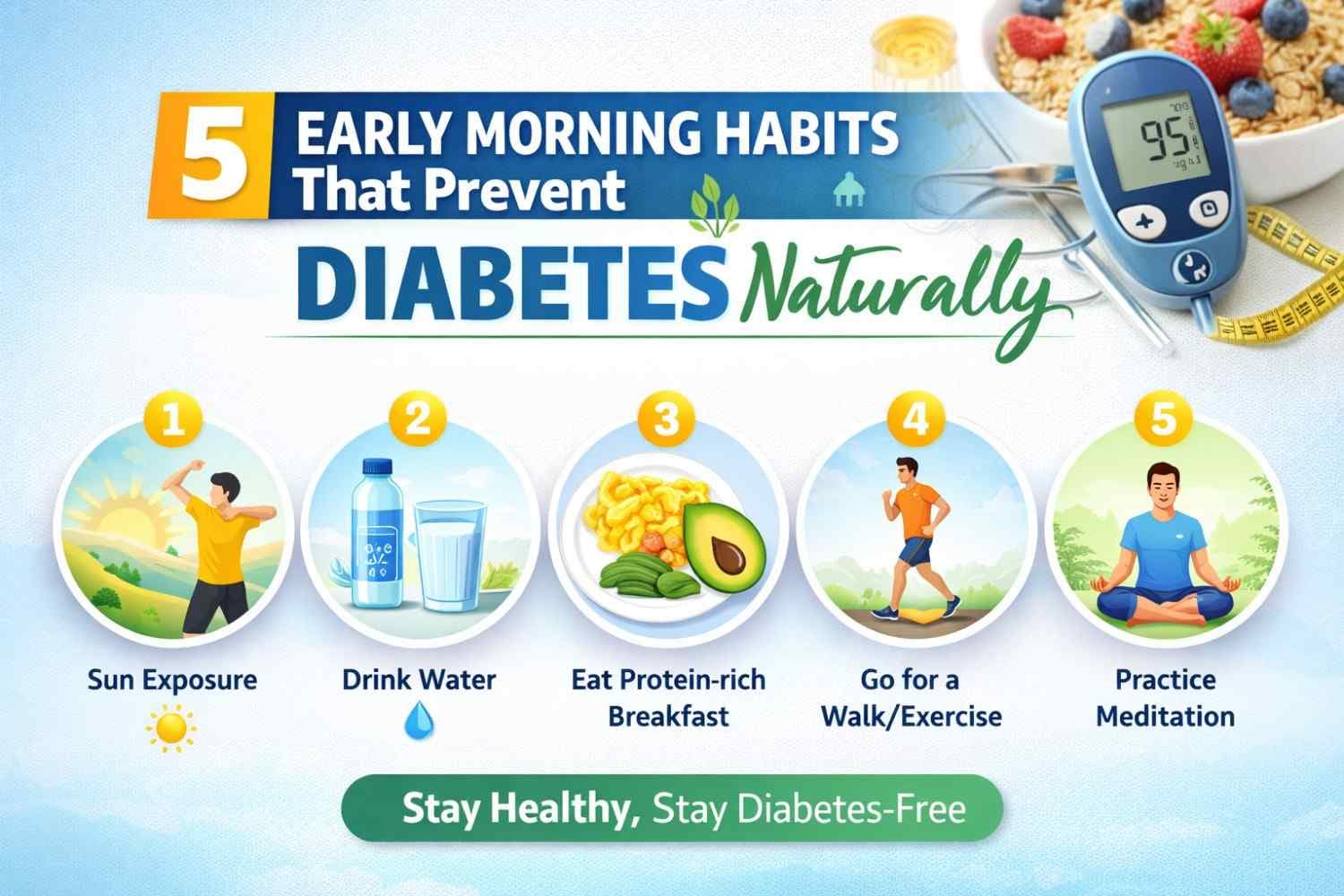
5 Early Morning Habits That Prevent Diabetes Naturally
Discover 5 powerful morning habits that naturally prevent diabetes. Expert advice from Dr. C.P. Singh, Senior Consultant Physician at Jigyasa Hospital, Moradabad. Call 7900903333.
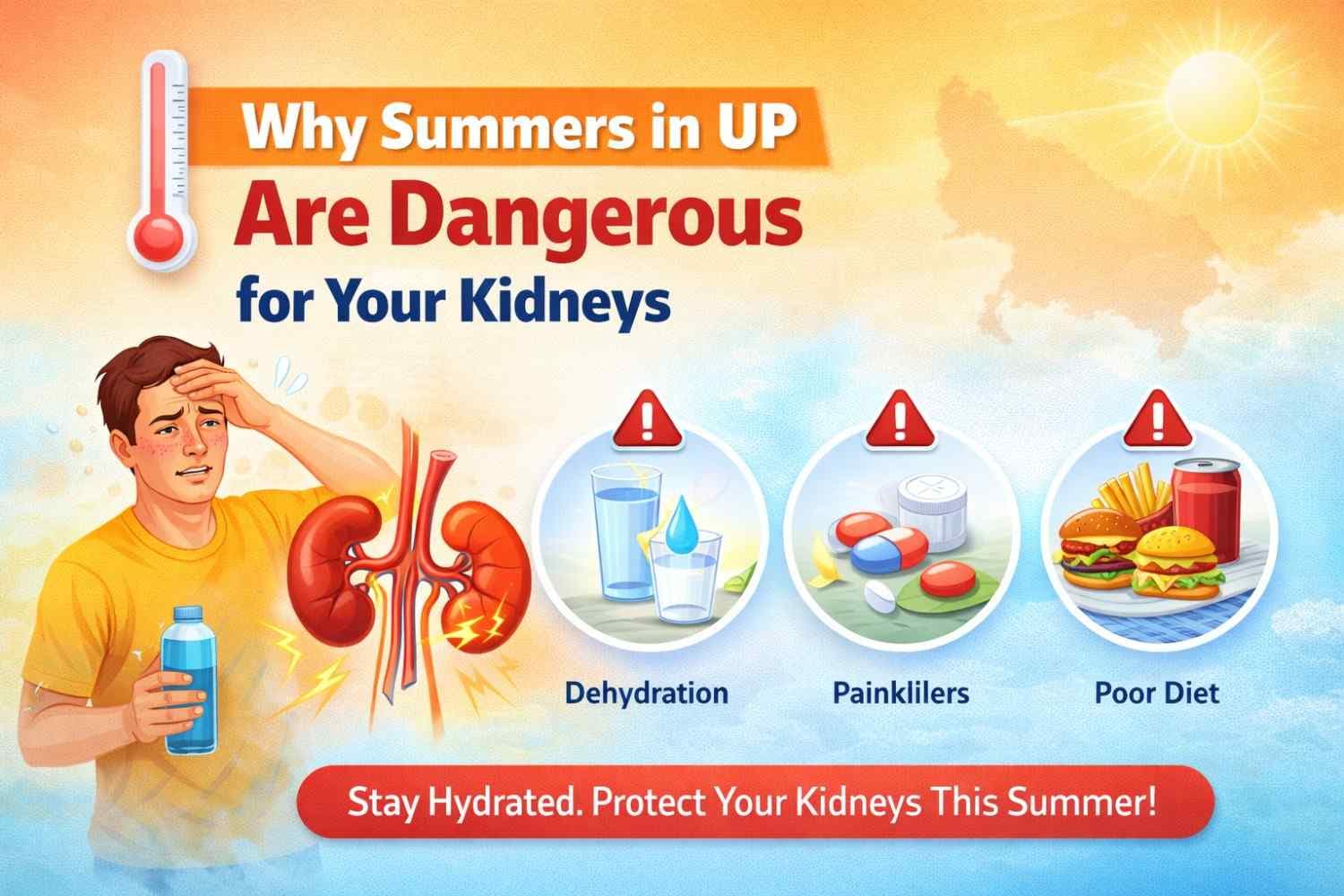
Why Summers in UP Are Dangerous for Your Kidneys
UP summers can silently damage your kidneys. Jigyasa Hospital Moradabad explains the hidden risks, warning signs, and how to protect your kidneys this season. Call 7900903333.