
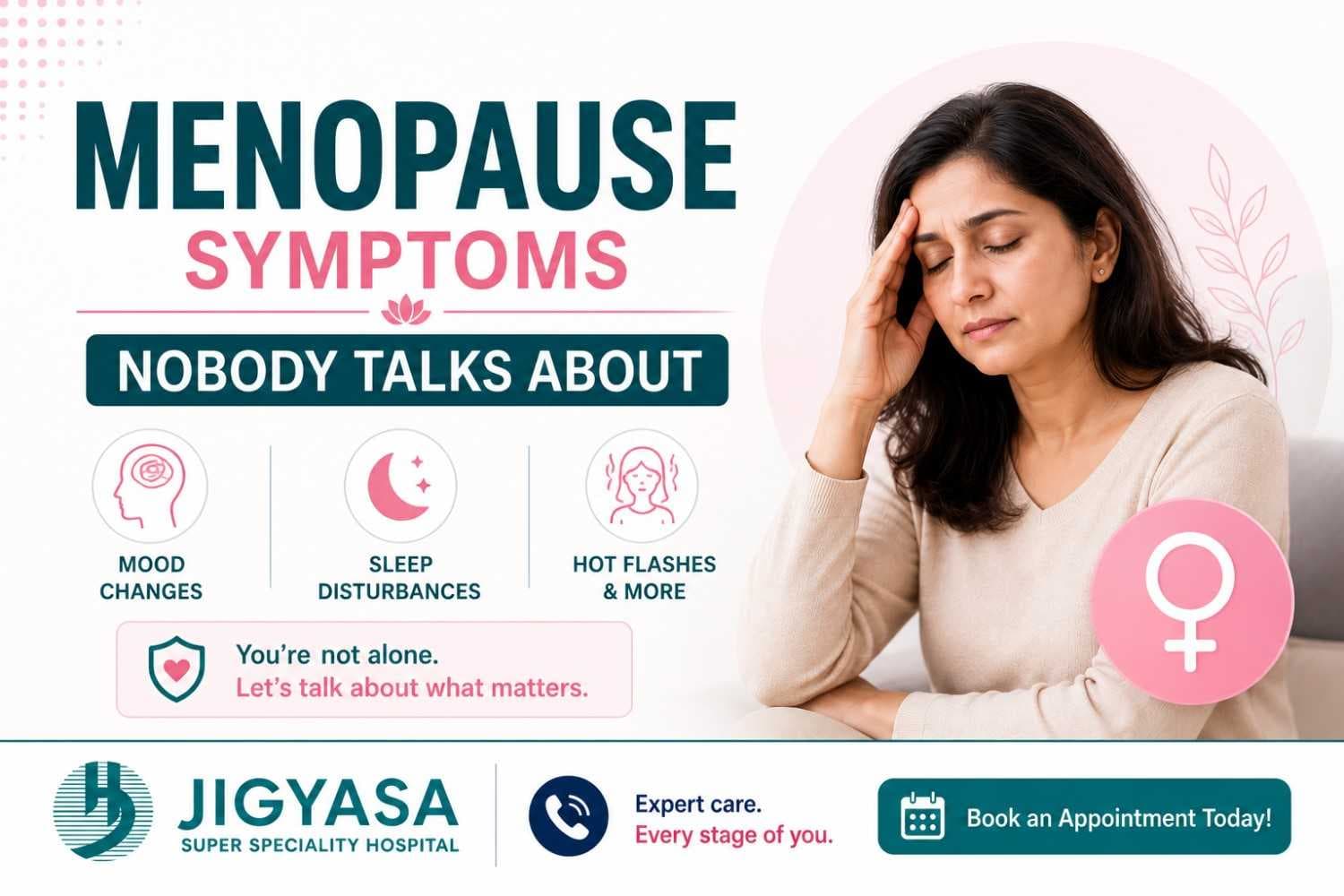
Menopause Symptoms Nobody Talks About
Hot Flashes Are Just the Beginning. Jigyasa Hospital Moradabad Reveals the Surprising, Rarely Discussed Menopause Symptoms Every Indian Woman Should Know — and When to See a Gynaecologist.
Ask most people what menopause looks like, and they will mention two things: hot flashes and the end of periods. But for millions of Indian women navigating perimenopause and menopause — typically between ages 45 and 55 — the reality is far more complex, confusing, and isolating than that two-symptom picture suggests. The average Indian woman reaches menopause at around 46–47 years — nearly 4 years earlier than her Western counterpart — making awareness all the more urgent. Many of the symptoms listed below are so unexpected, so seemingly unrelated to hormones, that women and even some general physicians fail to connect them to menopause at all — leading to years of misdiagnosis, unnecessary tests, and untreated suffering. At Jigyasa Hospital, Moradabad, our gynaecology team sees women every week who have been living with these symptoms for years without anyone linking them to the hormonal transition their body is going through.
Understanding the Menopause Timeline
- •Perimenopause: The transitional phase leading up to menopause, typically beginning in the early-to-mid 40s. Hormone levels — particularly oestrogen and progesterone — begin fluctuating unpredictably. Periods become irregular. This phase can last 4–10 years.
- •Menopause: Officially diagnosed after 12 consecutive months without a period. In Indian women, this typically occurs between ages 45–51.
- •Postmenopause: The years following menopause, during which oestrogen levels remain permanently low and the long-term health effects of hormonal decline — on bones, heart, and brain — become increasingly significant.
Most of the lesser-known symptoms below begin in perimenopause — which is exactly why they are so often missed. Women (and their doctors) are not yet thinking 'menopause' when periods are still arriving, just irregularly.
The Symptoms Nobody Talks About
1. Joint Pain and Stiffness — 'Why Do My Knees Hurt Suddenly?' One of the most common and most overlooked menopause symptoms is sudden, unexplained joint pain — particularly in the knees, hips, wrists, and fingers. Oestrogen has significant anti-inflammatory properties and helps maintain cartilage and joint fluid. As oestrogen declines, joints become more vulnerable to inflammation, stiffness, and pain. Many women in their late 40s are told they have 'early arthritis' — when the root cause is actually hormonal decline, not structural joint damage.
What to watch for:
- •Morning stiffness lasting more than 30 minutes
- •Pain in the small joints of the hands and feet — often mistaken for rheumatoid arthritis
- •Knee pain and difficulty climbing stairs that appears without any injury
- •Stiffness that is worse after rest and improves with gentle movement
This symptom is particularly common in Indian women who have spent years in physical domestic work and may already have underlying joint stress.
2. Electric Shock Sensations and Tingling Skin: Some women describe experiencing a sudden electric shock sensation — a brief, sharp zap — just before a hot flash, or entirely on its own, typically in the limbs or under the skin. Others report tingling, prickling, or crawling sensations on the skin (formication) — sometimes so distressing that women fear they have a neurological condition. Fluctuating oestrogen directly affects the central nervous system and the sensitivity of peripheral nerve endings — causing these strange electrical and sensory phenomena. This symptom almost never gets attributed to menopause — and women are frequently sent for MRI scans and neurological workups that come back normal.
3. Burning Mouth Syndrome: A persistent burning, tingling, or scalding sensation in the mouth, tongue, lips, or throat — with no visible cause — is a recognised but rarely discussed menopause symptom. Falling oestrogen affects the mucous membranes lining the mouth, alters saliva composition, and changes pain perception thresholds — resulting in this uncomfortable symptom. Women with burning mouth syndrome are often told they have a dental issue, acid reflux, or anxiety — when the actual driver is hormonal. It may fluctuate throughout the day and is often worst in the evenings.
4. Heart Palpitations — 'Is Something Wrong With My Heart?' Sudden awareness of the heartbeat — fluttering, racing, or pounding — is extremely common during perimenopause and menopause, yet rarely appears on the standard list of symptoms women are warned about. Oestrogen influences the cardiovascular system directly — including heart rate regulation and arterial flexibility. As oestrogen fluctuates or declines, the heart's electrical system becomes more reactive, causing palpitations — often occurring alongside hot flashes. While menopause-related palpitations are usually benign, women over 45 should always have a cardiac evaluation to rule out genuine arrhythmias — particularly as the risk of heart disease rises significantly after menopause. At Jigyasa Hospital, we recommend an ECG and cardiac consultation for any perimenopausal woman experiencing frequent or prolonged palpitations.
5. Anxiety, Dread and Panic Attacks — With No Prior History: Perhaps the most psychologically distressing and least discussed menopause symptom: a sudden onset of anxiety, generalised dread, panic attacks, or social withdrawal in women who have never previously experienced mental health difficulties. Oestrogen and progesterone both modulate neurotransmitters — particularly serotonin, dopamine, and GABA — that regulate mood, fear response, and emotional stability. When these hormones fluctuate wildly during perimenopause, the brain's emotional regulation system becomes destabilised. Many women are diagnosed with a new anxiety disorder or depression, prescribed psychiatric medication, and never told that their hormones are the primary driver.
Signs it may be menopause-related anxiety:
- •Anxiety that began suddenly in the mid-to-late 40s with no clear life trigger
- •Anxiety that worsens in the week before a period (or before what used to be a period)
- •Panic attacks that occur at night or upon waking — often alongside hot flashes
- •Feelings of 'impending doom' or excessive worry that feel completely unlike your prior self
6. Memory Lapses and Brain Fog — 'Am I Getting Dementia?' Forgetting words mid-sentence, losing track of thoughts, walking into a room and forgetting why, struggling to concentrate during meetings — these cognitive symptoms are extremely common during perimenopause and cause significant distress. Oestrogen plays a critical role in memory consolidation, neuroplasticity, and brain energy metabolism. As levels drop, working memory and verbal recall are often the first casualties. Most women experiencing this are terrified they are developing early dementia — and the fear itself worsens cognitive performance. In the vast majority of cases, menopause-related brain fog improves naturally after the menopausal transition is complete. However, it warrants medical attention if severe, worsening, or accompanied by other neurological symptoms.
7. Itchy, Crawling, or Dry Skin — All Over the Body: Oestrogen is central to skin hydration — it stimulates collagen production, maintains oil gland activity, and supports the skin's moisture barrier. As oestrogen declines, skin across the entire body can become intensely itchy (particularly at night), dry, flaky, and less elastic, more sensitive and reactive to products it previously tolerated well, and prone to new or worsening eczema-like patches. Many women spend years and significant money on dermatology consultations and skincare products — when the underlying cause is systemic and hormonal.
8. Tinnitus — Ringing or Buzzing in the Ears: A persistent ringing, buzzing, hissing, or whooshing sound in one or both ears — with no external source — is a documented but almost entirely unacknowledged menopause symptom. Oestrogen receptors exist throughout the auditory system. Hormonal fluctuations affect the inner ear's fluid regulation and neural sensitivity — leading to or worsening tinnitus. Women reporting this symptom are typically referred to ENT specialists and audiologists, who often find no structural cause — because the cause is hormonal, not anatomical.
9. Digestive Changes — Bloating, Nausea and Gut Sensitivity: Many women in perimenopause notice a sudden increase in bloating, irregular bowel habits, nausea, and digestive sensitivity — even without changing their diet. Oestrogen and progesterone influence gut motility and gut microbiome composition. As these hormones fluctuate, the gut becomes unpredictable. The gut-brain axis is also heavily influenced by hormonal status — meaning anxiety-driven gut symptoms (IBS-like patterns) often intensify during perimenopause. Symptoms frequently misdiagnosed as IBS, food intolerance, or H. pylori in this age group warrant a hormonal evaluation alongside gut investigations.
10. Changes in Body Odour: Many women notice that their natural body odour changes during perimenopause — becoming stronger or different — despite unchanged hygiene habits. Hot flashes and night sweats increase the activity of the apocrine sweat glands (which produce odour-causing sweat). Additionally, hormonal shifts alter the skin's natural pH, which influences how bacteria interact with sweat. This symptom causes significant embarrassment and social anxiety — and is almost never discussed in standard menopause literature.
When to See a Gynaecologist Without Delay
- •Periods becoming extremely heavy, prolonged, or occurring more frequently than every 21 days
- •Spotting or bleeding after 12 months of no periods — this always requires investigation
- •Palpitations that are frequent, prolonged, or accompanied by dizziness or chest pain
- •Severe depression, suicidal thoughts, or inability to function — hormonal changes can trigger serious psychiatric episodes
- •Bone pain or a fracture from minor impact — possible sign of osteoporosis related to oestrogen loss
- •Severe burning or pain during urination — genitourinary syndrome of menopause (GSM) requires treatment, not endurance
What Are the Treatment Options?
- •Hormone Replacement Therapy (HRT): The most effective treatment for moderate-to-severe menopause symptoms — now widely recognised as safe and appropriate for most healthy women under 60 when prescribed and monitored by a specialist.
- •Non-hormonal medications: SSRIs, SNRIs, and gabapentin can address anxiety, mood changes, and hot flashes in women who cannot take HRT.
- •Lifestyle modifications: Regular weight-bearing exercise (protects bones and heart), a calcium and Vitamin D-rich diet, stress management, and limiting caffeine and alcohol all meaningfully reduce symptom severity.
- •Local oestrogen therapy: For vaginal dryness and urinary symptoms — a low-dose, highly targeted option with minimal systemic absorption and an excellent safety profile.
Every woman's menopause experience is unique — treatment must be personalised based on symptom severity, health history, and individual preference.
Compassionate Menopause Care at Jigyasa Hospital, Moradabad
- •Our Gynaecology department provides complete menopause management — including hormonal evaluation, bone density assessment, cardiac risk screening, and personalised symptom treatment plans.
- •We understand the cultural silence around menopause in Indian society — and provide a safe, respectful, and non-judgemental space for women to discuss every symptom openly.
- •If you are between 40 and 55 and have been experiencing any of the symptoms above — especially those you have been told are 'just stress' or 'just age' — a hormonal evaluation may finally give you the answers you deserve.
Book a Gynaecology Consultation: 7900903333
Address: Near Miglani Cinema, Rampur Road, Moradabad – 244001
Online Appointments: jigyasahospital.com
Hormonal Evaluation | Bone Density Assessment | Cardiac Risk Screening | HRT Consultation | Menopause Management | Ayushman Bharat Accepted
Key Takeaways
- •Menopause involves far more than hot flashes and missed periods — joint pain, electric sensations, burning mouth, brain fog, palpitations, anxiety, tinnitus, and digestive changes are all legitimate menopause symptoms.
- •Indian women reach menopause earlier than the global average — making awareness and early intervention especially important.
- •Most of these symptoms are misdiagnosed for years because neither women nor their doctors connect them to hormonal decline.
- •Effective treatments exist — from HRT to lifestyle changes — but require a proper diagnosis and personalised management plan.
- •Do not normalise suffering. If you are in your 40s or 50s and struggling with unexplained symptoms, a gynaecological consultation could change your quality of life.
Frequently Asked Questions
At what age does menopause typically begin in Indian women?
The average age of menopause in Indian women is 46–47 years — earlier than the global average of 51. Perimenopause (the transitional phase) can begin 4–10 years before this, meaning symptoms may start in a woman's late 30s or early 40s.
Can menopause cause weight gain even without changes in diet or exercise?
Yes. Declining oestrogen causes fat redistribution — specifically, from the hips and thighs toward the abdomen. Metabolic rate also slows, making weight gain common and frustrating for many women despite no change in lifestyle habits.
Is it normal to feel anxious and unlike yourself during perimenopause?
Completely. Hormonal fluctuations during perimenopause directly affect brain chemistry — causing anxiety, mood swings, irritability, and even panic attacks in women with no prior mental health history. These symptoms are real, common, and treatable.
Can menopause affect my heart health?
Yes — significantly. Oestrogen protects the cardiovascular system. After menopause, women's risk of heart disease rises sharply and eventually equals that of men. Blood pressure, cholesterol, and blood sugar should all be monitored more carefully in postmenopausal women.
Is HRT safe?
For most healthy women under 60 who start HRT within 10 years of menopause, the benefits outweigh the risks. Recommendations have evolved significantly in recent years — consult a gynaecologist to assess whether HRT is appropriate for your specific situation.
How is menopause diagnosed?
Clinically, menopause is confirmed after 12 consecutive months without a period. A blood test measuring FSH (Follicle Stimulating Hormone) and oestradiol levels can confirm hormonal menopause — particularly useful in younger or surgically menopausal women.
Related Articles
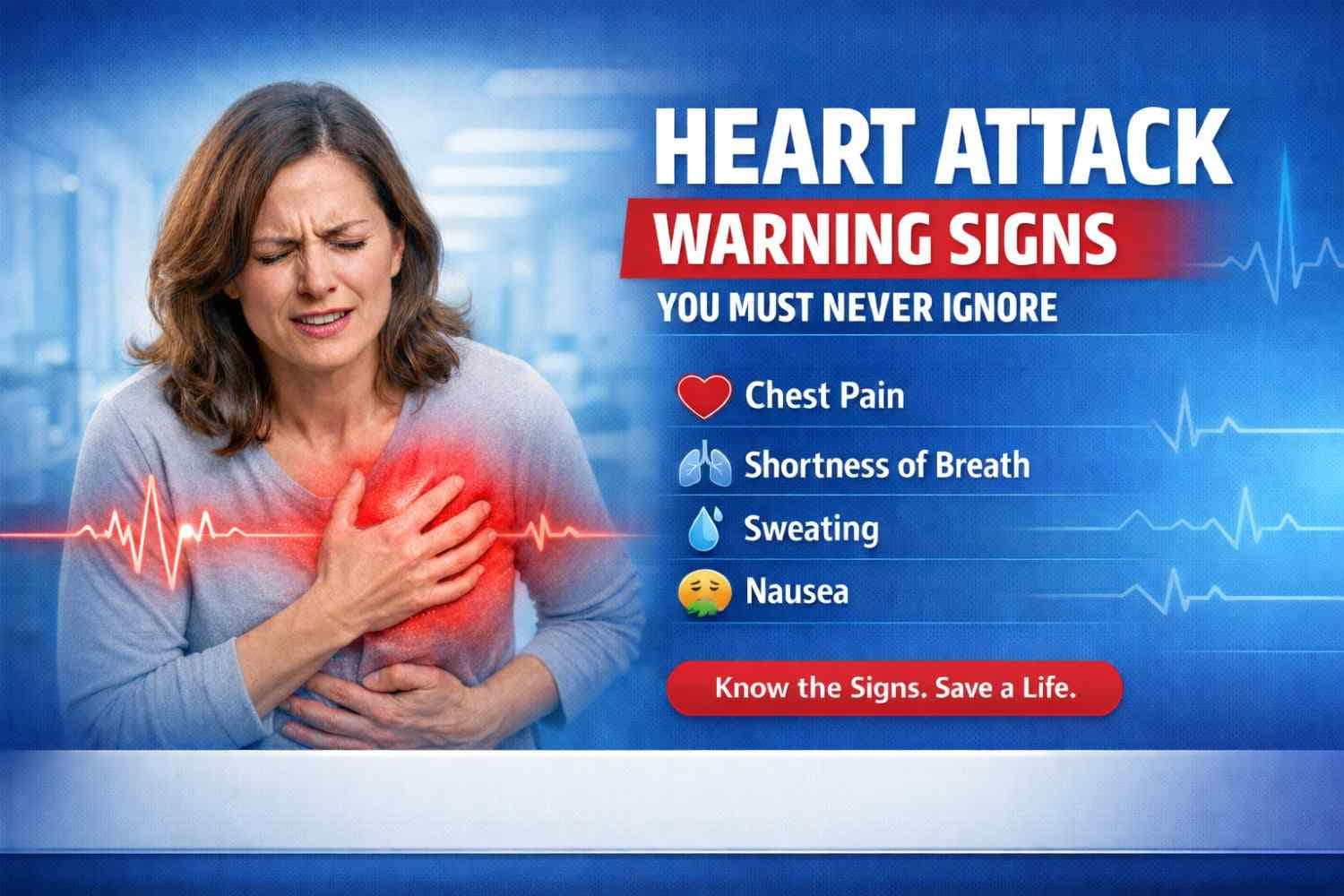
Heart Attack Warning Signs You Must Never Ignore
Recognizing heart attack symptoms early can save your life. Learn the critical warning signs from Dr. Amit Kumar Singh, Senior Interventional Cardiologist at Jigyasa Hospital, Moradabad. Call 7900903333.
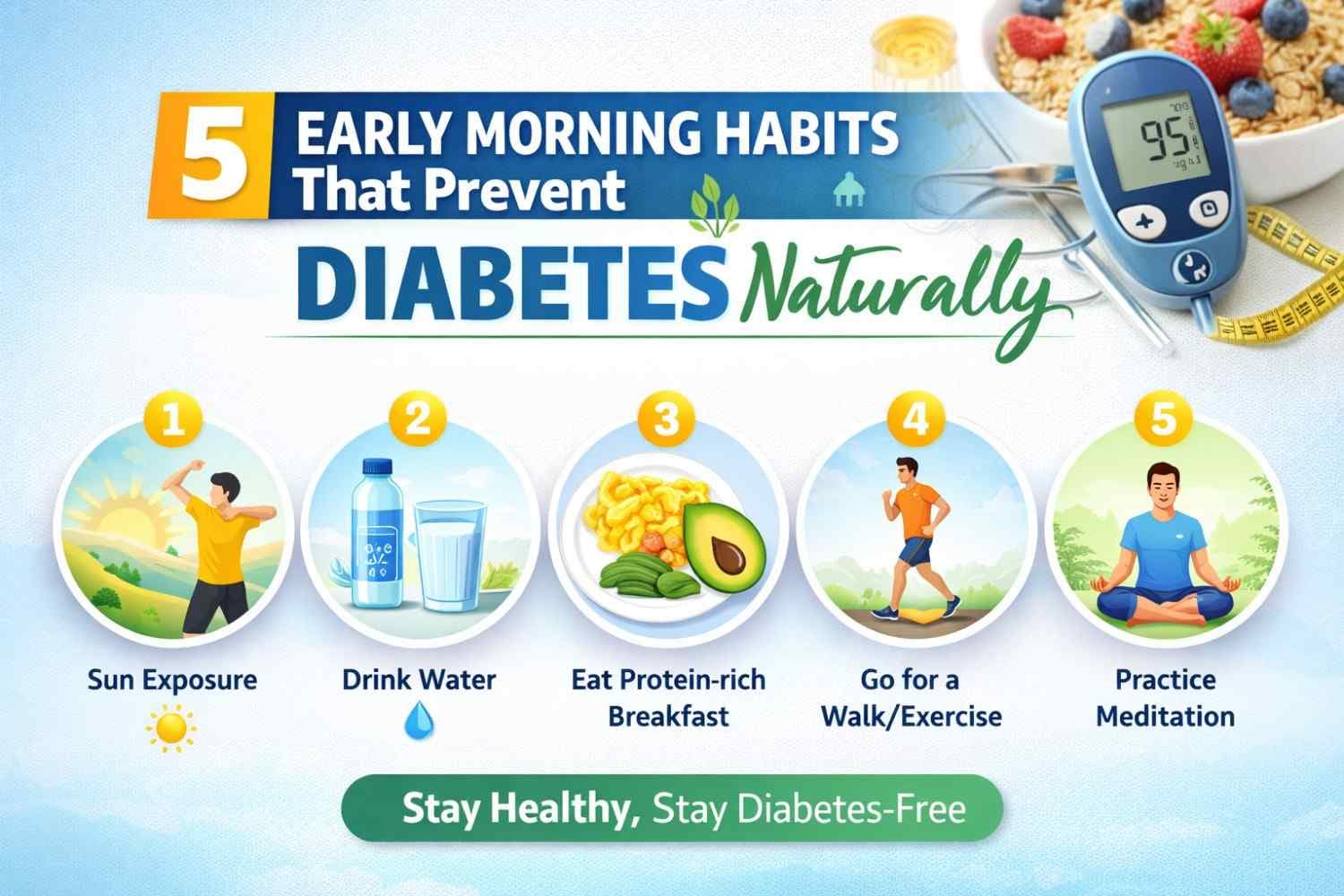
5 Early Morning Habits That Prevent Diabetes Naturally
Discover 5 powerful morning habits that naturally prevent diabetes. Expert advice from Dr. C.P. Singh, Senior Consultant Physician at Jigyasa Hospital, Moradabad. Call 7900903333.
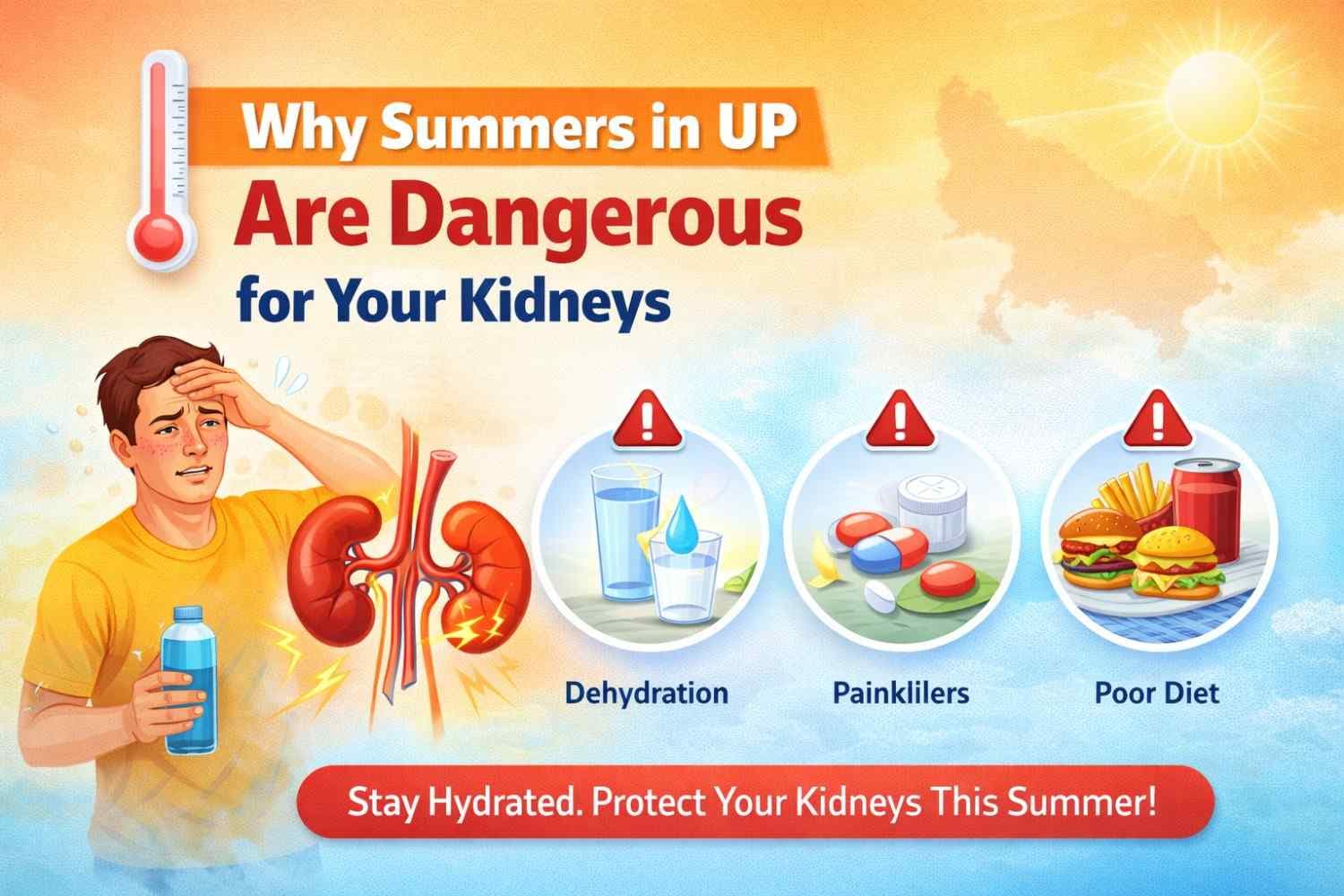
Why Summers in UP Are Dangerous for Your Kidneys
UP summers can silently damage your kidneys. Jigyasa Hospital Moradabad explains the hidden risks, warning signs, and how to protect your kidneys this season. Call 7900903333.