


Obesity and Hormones: Is Your Weight Gain Medical?
Unexplained weight gain can sometimes have a hormonal cause. Learn the signs, tests, and treatment options, with guidance from Dr. Ashish Gupta, Endocrinologist, Jigyasa Hospital, Moradabad.
"I eat the same as before, but my weight keeps climbing." Many people say this, and they are often told to simply eat less and exercise more. For most people, food intake and activity do explain weight gain. But for some, hormones play a real part, either causing the weight gain or making it much harder to lose. Telling the two apart matters, because a medical cause needs medical treatment, and blaming willpower can delay diagnosis for years. At Jigyasa Hospital, Moradabad, Dr. Ashish Gupta, our specialist in Endocrinology, regularly evaluates patients whose weight gain doesn't fit the usual explanations.
How Hormones Influence Body Weight
Hormones act as the body's chemical messengers, helping control appetite, how quickly you burn energy, where fat is stored, and how your body handles sugar. When these signals go off balance, weight can change even without major changes in lifestyle. Obesity itself is also influenced by genetics, sleep, stress, medications, and environment, so hormones are one piece of a larger picture, not the explanation for everyone.
Hormonal and Medical Causes of Weight Gain
1. Underactive Thyroid (Hypothyroidism)
The thyroid sets the body's metabolic pace. When it is underactive, metabolism slows. Weight gain is usually modest, and a good part of it is fluid retention rather than pure fat.
Other signs:
- •Persistent tiredness and sluggishness
- •Feeling cold more than others
- •Dry skin and hair thinning
- •Constipation
- •Puffy face, low mood, or slow thinking
- •Heavy or irregular periods
2. Insulin Resistance and Prediabetes
When cells respond poorly to insulin, the body produces more of it. High insulin levels encourage fat storage, especially around the abdomen, and can make weight loss difficult. This often develops quietly years before diabetes is diagnosed.
Clues include:
- •Fat concentrated around the waist
- •Dark, velvety patches on the neck or underarms
- •Strong cravings for sweets and refined carbohydrates
- •Tiredness after meals
- •Family history of diabetes
3. Polycystic Ovary Syndrome (PCOS)
PCOS involves hormonal imbalance and insulin resistance, and weight gain is common. It is covered in detail in our PCOD vs PCOS article.
4. Excess Cortisol (Cushing's Syndrome)
Cortisol is the stress hormone. Persistently high levels, whether from a medical condition or long-term steroid medicine, can cause distinctive weight gain.
Typical features:
- •Weight gain in the face, upper back, and abdomen, with relatively thin arms and legs
- •Rounded, flushed face
- •Purple stretch marks
- •Easy bruising and slow wound healing
- •Muscle weakness
- •High blood pressure and high blood sugar
This is uncommon, but important to identify because it needs specific treatment.
5. Menopause and Perimenopause
Falling estrogen shifts fat storage toward the abdomen, and muscle mass naturally declines with age, slowing metabolism. Sleep disruption and mood changes can worsen the picture.
6. Low Testosterone in Men
Low testosterone can reduce muscle mass and increase body fat, and weight gain can in turn lower testosterone further. Low energy, reduced sex drive, and decreased muscle strength may accompany it.
7. Medications That Promote Weight Gain
Some medicines can cause weight gain, including certain steroids, some antidepressants and antipsychotics, some diabetes and blood pressure medicines, and some anti-seizure drugs. Never stop a prescribed medicine on your own. Speak to your doctor, who may be able to adjust the plan.
8. Poor Sleep and Chronic Stress
Short or disrupted sleep raises appetite hormones and cravings, while chronic stress keeps cortisol elevated. Both make weight gain more likely and weight loss harder.
9. Other Medical Causes
Fluid retention from heart, kidney, or liver conditions can look like weight gain, and needs prompt evaluation if it appears suddenly, especially with swelling or breathlessness.
When Weight Gain Should Raise Suspicion of a Medical Cause
- •Weight gain despite no meaningful change in diet or activity
- •Rapid gain over a few weeks or months
- •Weight gain along with fatigue, cold intolerance, hair loss, or skin changes
- •Irregular periods, excess hair growth, or fertility difficulty
- •Weight gain concentrated in the face and trunk with thin limbs
- •Purple stretch marks, easy bruising, or high blood pressure appearing together with weight gain
- •Swelling of the legs, face, or abdomen
- •Strong family history of thyroid disease, diabetes, or early obesity
- •Weight that doesn't budge despite sustained, genuine effort
Why Obesity Is Not Just About Willpower
Obesity is a complex, chronic condition. The body defends its weight through appetite hormones, metabolism, and genetics, which is why many people regain weight after short-term diets. Seeing it as a medical condition rather than a moral failing helps people seek care sooner and stick with long-term management.
Health Risks of Excess Weight
Whatever the cause, carrying excess weight raises the risk of:
- •Type 2 diabetes and prediabetes
- •High blood pressure and high cholesterol
- •Heart disease and stroke
- •Fatty liver disease
- •Joint pain and osteoarthritis, especially of the knees
- •Sleep apnoea
- •Fertility problems and pregnancy complications
- •Certain cancers
- •Low mood and anxiety
Even a modest, sustained weight loss can improve many of these risks.
How Weight Gain Is Evaluated at Jigyasa Hospital
At Jigyasa Hospital, Dr. Ashish Gupta's evaluation typically includes:
1. Detailed History
Weight pattern over time, diet and activity, sleep, stress, medicines, menstrual history, and family history.
2. Physical Examination
Weight, height, BMI, waist circumference, blood pressure, and signs such as skin changes, stretch marks, or thyroid enlargement.
3. Targeted Blood Tests
Depending on the picture, these may include thyroid function, fasting blood sugar and HbA1c, cholesterol, liver and kidney function, and, when indicated, tests for cortisol or reproductive hormones.
4. Assessing Related Conditions
Screening for diabetes, fatty liver, and cardiovascular risk, since these often come with obesity.
5. A Personalised Plan
Treating any hormonal cause found, and building a realistic weight management plan around the patient's lifestyle.
Treatment Approaches
If a Hormonal Cause Is Found
- •Thyroid hormone replacement for hypothyroidism, with regular monitoring
- •Management of insulin resistance or diabetes
- •Treatment for cortisol excess, depending on the underlying cause
- •Hormonal management of PCOS or menopausal symptoms where appropriate
Treating the hormonal cause often makes weight management easier, though it rarely makes weight vanish on its own.
Lifestyle Foundations
- •Nutrition: Balanced meals with vegetables, protein, whole grains, and controlled portions, with fewer sugary drinks and ultra-processed foods. Sustainable changes work better than crash diets.
- •Activity: At least 150 minutes of moderate exercise weekly, plus strength training to protect muscle.
- •Sleep: Seven to eight hours, on a regular schedule.
- •Stress: Regular relaxation, physical activity, and social support.
Medical and Surgical Options
For some people with obesity, doctors may consider medication or, in selected cases, bariatric surgery. These are decided individually after full evaluation, and are not first-line options for everyone.
What to Avoid
- •Crash diets and extreme fasting, which slow metabolism and are rarely sustained
- •Unregulated "fat burner" supplements or herbal weight-loss products
- •Starting thyroid medicine without a diagnosis
- •Stopping prescribed medicines because of weight concerns without medical advice
- •Judging yourself harshly, which tends to make long-term change harder
Endocrinology Care at Jigyasa Hospital, Moradabad
- •Comprehensive hormonal evaluation for unexplained weight gain
- •Expert diagnosis and treatment by Dr. Ashish Gupta, Endocrinologist
- •Thyroid, insulin resistance, PCOS, and cortisol testing
- •Personalized weight management plans combining medical and lifestyle approaches
Book an Appointment: 7900903333
Address: Near Miglani Cinema, Rampur Road, Moradabad – 244001
Online Appointments: jigyasahospital.com
Endocrinology | Hormonal Weight Gain | Thyroid Care | Diabetes Management | Ayushman Bharat Accepted
Key Takeaways
- •Hormones control appetite, metabolism, fat storage, and blood sugar — imbalances can cause weight gain or make weight loss harder.
- •Common hormonal causes: hypothyroidism, insulin resistance/prediabetes, PCOS, Cushing's syndrome, menopause, low testosterone, certain medications.
- •Suspicious signs: rapid/unexplained gain, fatigue, cold intolerance, irregular periods, central fat with thin limbs, purple stretch marks, swelling.
- •Evaluation includes thyroid function, HbA1c, cholesterol, cortisol, and reproductive hormone tests — not just one thyroid test.
- •Treatment: address hormonal cause + sustainable lifestyle (balanced diet, 150 min exercise/week, 7-8 hrs sleep, stress management). Avoid crash diets and unregulated supplements.
Frequently Asked Questions
Can an underactive thyroid cause large weight gain?
Usually only modest gain, often a few kilograms. Thyroid problems rarely explain very large weight gain, but they make weight loss harder and should be checked.
If my thyroid test is normal, can hormones still be involved?
Yes. Insulin resistance, cortisol, sex hormones, and medications can also contribute, which is why a proper evaluation looks beyond one test.
Why do I gain weight around my belly after 40?
Falling estrogen, loss of muscle mass, reduced activity, and poorer sleep all shift fat toward the abdomen. Strength training and good sleep help.
Should I take thyroid medicine to lose weight?
No. Thyroid medicine is for treating a diagnosed thyroid deficiency, and using it otherwise can be harmful, causing palpitations and bone loss.
When should I see an endocrinologist for weight gain?
If weight gain is unexplained, rapid, or comes with symptoms such as fatigue, irregular periods, skin changes, or high blood sugar, or if sustained effort hasn't worked, a hormonal evaluation is worthwhile.
Related Articles
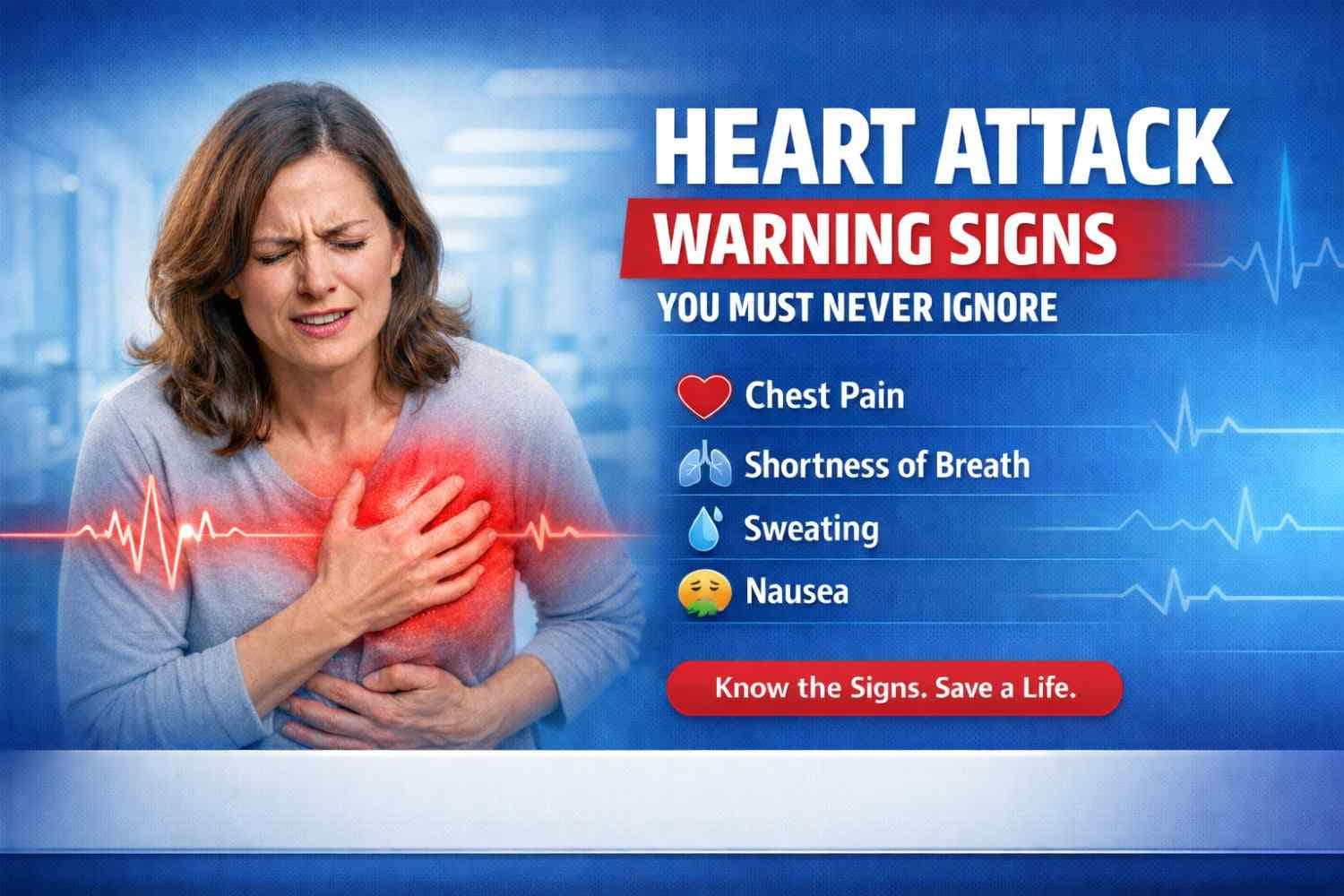
Heart Attack Warning Signs You Must Never Ignore
Recognizing heart attack symptoms early can save your life. Learn the critical warning signs from Dr. Amit Kumar Singh, Senior Interventional Cardiologist at Jigyasa Hospital, Moradabad. Call 7900903333.

5 Early Morning Habits That Prevent Diabetes Naturally
Discover 5 powerful morning habits that naturally prevent diabetes. Expert advice from Dr. C.P. Singh, Senior Consultant Physician at Jigyasa Hospital, Moradabad. Call 7900903333.
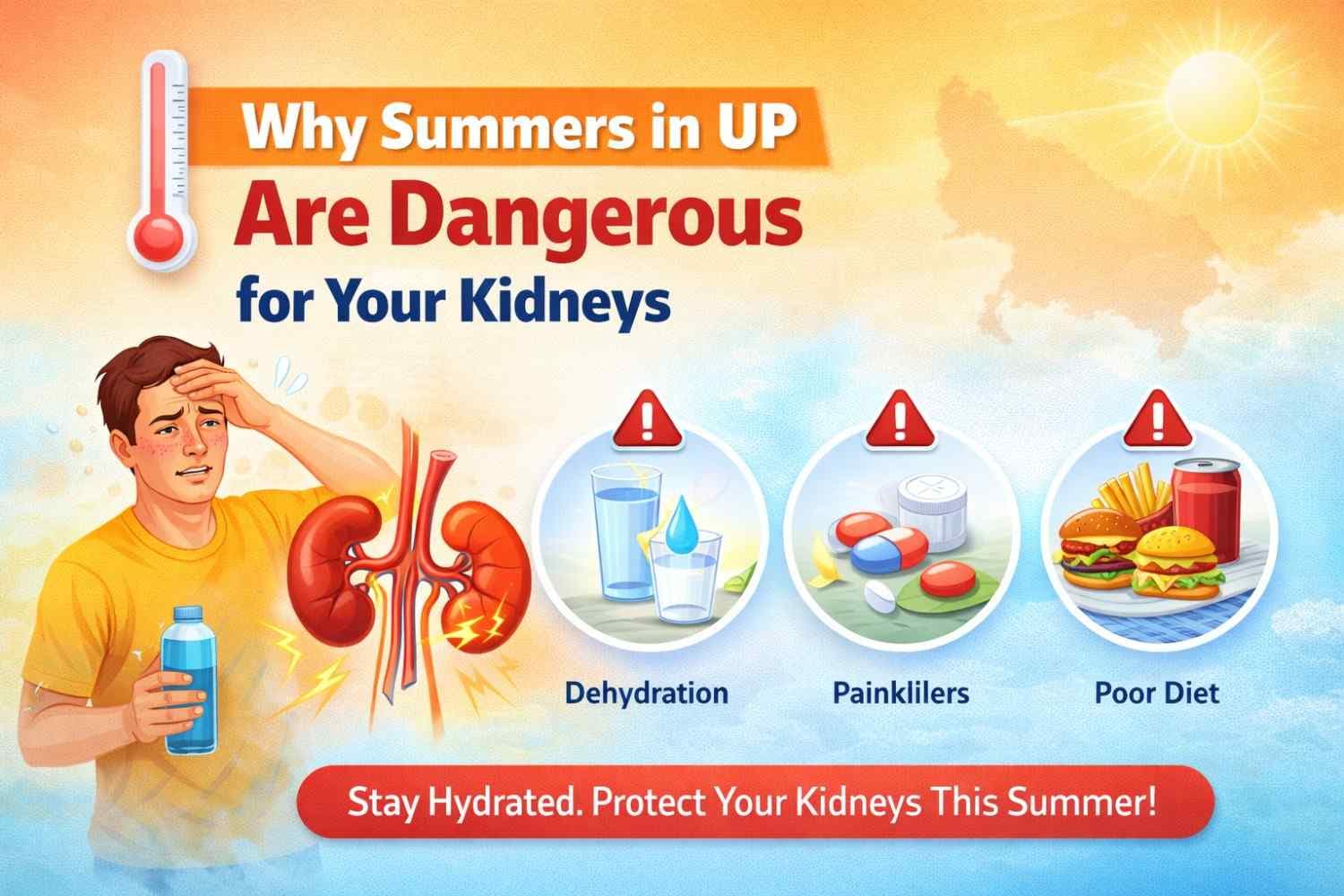
Why Summers in UP Are Dangerous for Your Kidneys
UP summers can silently damage your kidneys. Jigyasa Hospital Moradabad explains the hidden risks, warning signs, and how to protect your kidneys this season. Call 7900903333.