
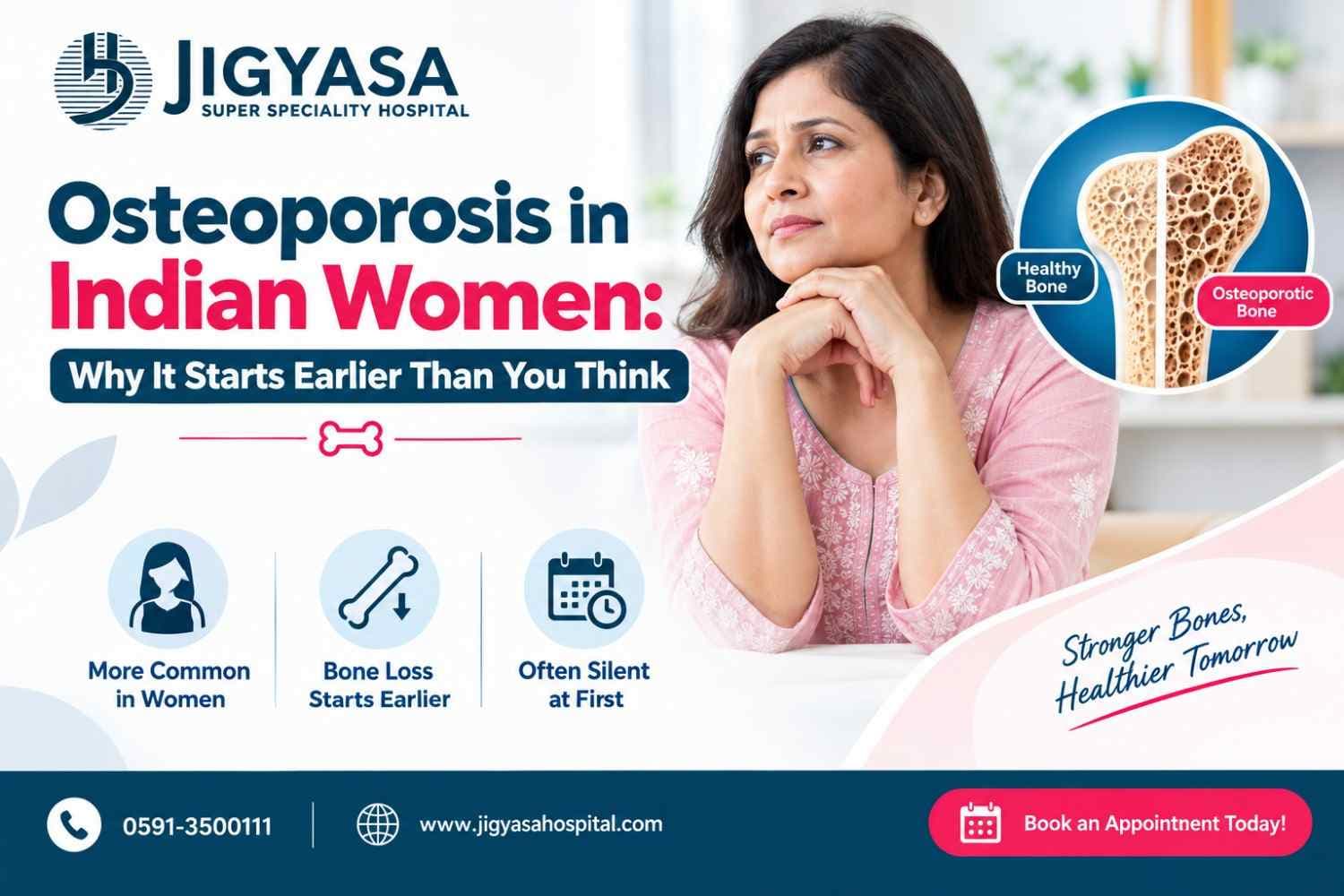
Osteoporosis in Indian Women: Why It Starts Earlier Than You Think
Bone loss in Indian women often begins earlier than global averages suggest. Learn why, the warning signs, and how to protect your bones.
Osteoporosis is often thought of as a concern for much later in life — something to worry about after 60, mainly affecting Western populations with different diets and lifestyles. This assumption, however, doesn't hold up well for Indian women, who frequently show signs of significant bone loss ten to fifteen years earlier than international guidelines typically suggest. At Jigyasa Hospital, Moradabad, Dr. Kriti Kishore, our specialist in Rheumatology, regularly diagnoses osteoporosis and low bone density in Indian women in their late thirties, forties, and early fifties — an age range where many patients, and sometimes even their families, don't expect bone health to be a concern at all.
What Is Osteoporosis?
Osteoporosis is a condition characterized by reduced bone density and quality, making bones weaker, more porous, and significantly more prone to fractures — even from relatively minor falls or, in advanced cases, everyday activities like bending or lifting. Bone is a living tissue that's constantly being broken down and rebuilt throughout life. Osteoporosis develops when this balance shifts, and bone breakdown outpaces bone formation, gradually reducing overall bone density and strength.
Because bone loss typically progresses silently, without pain or obvious symptoms until a fracture occurs, osteoporosis is often called a "silent" condition — one that many women don't realize they have until a fall results in a fracture that reveals just how weakened their bones had become.
Why Osteoporosis Starts Earlier in Indian Women
Several factors specific to the Indian context contribute to earlier and often more severe bone density loss compared to global averages:
1. Widespread Vitamin D Deficiency
Despite abundant sunshine across most of India, vitamin D deficiency is remarkably common, partly due to limited sun exposure from indoor lifestyles, cultural clothing practices that cover most of the skin, extensive use of sunscreen, and pollution in urban areas that reduces effective UV exposure. Since vitamin D is essential for calcium absorption, widespread deficiency directly undermines bone health from a relatively young age.
2. Low Dietary Calcium Intake
Traditional Indian diets, while nutritious in many respects, often don't provide adequate calcium, particularly in populations with lower dairy consumption or limited access to calcium-rich foods. This chronic, lifelong calcium deficit means many women enter adulthood with lower peak bone mass than they otherwise could achieve.
3. Genetic and Body Frame Factors
Indian women, on average, tend to have a smaller body frame and lower peak bone mass compared to some other populations, meaning there's simply less bone density to begin with — so the same rate of age-related bone loss has a proportionally greater impact.
4. Multiple Pregnancies and Prolonged Breastfeeding
Pregnancy and breastfeeding place significant additional calcium demands on a woman's body, and without adequate dietary compensation, repeated pregnancies and extended breastfeeding periods — still common in many Indian households — can contribute to earlier depletion of bone mineral reserves.
5. Early Menopause in Some Populations
Estrogen plays a protective role in maintaining bone density, and its decline after menopause accelerates bone loss significantly. Some studies suggest Indian women may experience menopause slightly earlier on average compared to certain other populations, further shortening the protective window before accelerated bone loss begins.
6. Limited Physical Activity, Especially Weight-Bearing Exercise
Weight-bearing and muscle-strengthening exercise stimulates bone formation and helps maintain density. Reduced physical activity — whether due to lifestyle, cultural factors limiting exercise participation for some women, or increasingly sedentary daily routines — removes one of the natural protective factors against bone loss.
7. Underdiagnosis and Delayed Screening
Because osteoporosis isn't traditionally "expected" until later in life, many Indian women don't get screened until after a fracture has already occurred, missing the opportunity for earlier intervention when bone loss is more preventable or manageable.
Who Is at Highest Risk?
- •Women who have gone through early menopause (before age 45)
- •Women with a family history of osteoporosis or fractures
- •Those with a smaller body frame or naturally low body weight
- •Women with a history of multiple pregnancies and prolonged breastfeeding without adequate calcium and vitamin D supplementation
- •Individuals with low dietary calcium intake or limited dairy consumption
- •Those with minimal sun exposure or confirmed vitamin D deficiency
- •Women with sedentary lifestyles and little weight-bearing exercise
- •Long-term use of certain medications, such as corticosteroids
- •Women with thyroid disorders, rheumatoid arthritis, or other chronic inflammatory conditions
- •History of smoking or excessive alcohol consumption
Why Osteoporosis Is Often Missed Until Too Late
Bone loss itself doesn't cause pain or noticeable symptoms in its early stages — there's no warning ache or stiffness that signals declining bone density the way many other conditions announce themselves. Often, the first sign of osteoporosis is:
- •A fracture occurring from a minor fall or bump that wouldn't normally cause a broken bone
- •A gradual loss of height over time, due to small compression fractures in the spine
- •A stooped posture developing gradually, sometimes attributed incorrectly to "just aging"
- •Back pain following a seemingly minor incident, which turns out to be a vertebral compression fracture
By the time these signs appear, significant bone density has often already been lost, which is why proactive screening — rather than waiting for symptoms — is so important, particularly for at-risk women.
Warning Signs Worth Paying Attention To
While osteoporosis is largely silent, certain signs should prompt evaluation:
- •A fracture from a fall that seems disproportionately minor for the injury caused
- •Noticeable loss of height compared to a few years earlier
- •Increasing back pain, particularly if it develops without a clear cause
- •A gradually stooping posture
- •Receding gum lines or dental issues in some cases, which can sometimes reflect underlying bone density changes
How Osteoporosis Is Diagnosed at Jigyasa Hospital
At Jigyasa Hospital, Dr. Kriti Kishore's evaluation for osteoporosis and bone health typically includes:
1. Risk Assessment and Clinical History
Reviewing menstrual and reproductive history, dietary patterns, physical activity levels, family history, and any previous fractures to identify individual risk factors.
2. Bone Mineral Density Testing (DEXA Scan)
This is the standard test for measuring bone density, typically performed at the spine and hip, providing a clear picture of bone strength and fracture risk.
3. Blood Tests
Checking vitamin D levels, calcium, and other relevant markers, along with screening for underlying conditions like thyroid disorders that can contribute to bone loss.
4. Fracture Risk Assessment
Combining bone density results with individual risk factors to estimate overall fracture risk and guide treatment decisions.
Who Should Consider Getting Screened Earlier
Given the earlier onset pattern seen in Indian women, screening is often recommended earlier than the standard international guidelines suggest, particularly for:
- •Women who have experienced early menopause
- •Those with a strong family history of osteoporosis or fractures
- •Women with confirmed vitamin D deficiency or very low dietary calcium intake
- •Individuals with a history of multiple pregnancies and prolonged breastfeeding
- •Women with chronic conditions like rheumatoid arthritis or long-term corticosteroid use
- •Anyone who has already experienced a fracture from a relatively minor fall
Treatment and Prevention Strategies
Nutritional Interventions
- •Adequate dietary calcium intake through dairy products, leafy greens, and other calcium-rich foods
- •Vitamin D supplementation, particularly important given the widespread deficiency seen even in a sun-rich country like India
- •Adequate protein intake, which also supports overall bone health
Lifestyle Modifications
- •Regular weight-bearing exercise, such as walking, which helps stimulate bone formation
- •Muscle-strengthening exercises to improve overall stability and reduce fall risk
- •Avoiding smoking and limiting alcohol consumption, both of which negatively affect bone density
- •Fall-prevention measures at home, particularly for women with already reduced bone density
Medical Management
- •Vitamin D and calcium supplementation when dietary intake alone is insufficient, guided by blood test results
- •Medications to slow bone loss or promote bone formation, recommended based on the severity of bone density reduction and individual fracture risk
- •Regular monitoring through follow-up bone density testing to track treatment response over time
- •Managing underlying contributing conditions, such as thyroid disorders, as part of comprehensive bone health care
Why Early Action Matters
Bone density naturally peaks in early adulthood and gradually declines afterward, but the rate and extent of that decline can be significantly influenced by early recognition and intervention. Addressing risk factors and beginning appropriate management before significant bone loss occurs offers a much better chance of maintaining bone strength and preventing fractures, compared to addressing the issue only after a fracture has already occurred.
Rheumatology Care at Jigyasa Hospital, Moradabad
- •Comprehensive osteoporosis evaluation with DEXA scan and blood tests
- •Expert diagnosis and treatment by Dr. Kriti Kishore, Rheumatologist
- •Personalized calcium, vitamin D, and medication management
- •Fracture risk assessment and long-term bone health monitoring
Book an Appointment: 7900903333
Address: Near Miglani Cinema, Rampur Road, Moradabad – 244001
Online Appointments: jigyasahospital.com
Osteoporosis Treatment | DEXA Scan | Vitamin D Testing | Bone Health Management | Rheumatology Services | Ayushman Bharat Accepted
Key Takeaways
- •Indian women develop osteoporosis 10-15 years earlier than global averages due to vitamin D deficiency, low calcium intake, and genetic factors.
- •Osteoporosis is silent — first sign is often a fracture from minor fall, height loss, or stooped posture.
- •Screening with DEXA scan recommended earlier for Indian women, especially with risk factors like early menopause or family history.
- •Prevention requires adequate calcium, vitamin D supplementation, weight-bearing exercise, and addressing underlying conditions.
- •Early intervention before significant bone loss offers best chance of preventing fractures and maintaining bone strength.
Frequently Asked Questions
At what age should Indian women start thinking about bone health?
Given the earlier onset patterns seen in Indian women, it's reasonable to start paying attention to bone health — through adequate calcium, vitamin D, and exercise — well before menopause, and to consider screening discussions with a doctor in the late thirties or forties, particularly with risk factors present.
Can osteoporosis be reversed once diagnosed?
While significant bone loss generally can't be fully reversed, appropriate treatment can slow further loss, and in some cases modestly improve bone density, while significantly reducing fracture risk going forward.
Is a DEXA scan necessary even without symptoms?
Yes, particularly for women with risk factors, since osteoporosis typically causes no symptoms until a fracture occurs. A DEXA scan is the most reliable way to assess bone density before that point.
Does breastfeeding permanently weaken bones?
Breastfeeding causes temporary calcium loss from bones, which typically recovers after breastfeeding ends, provided there's adequate calcium and vitamin D intake. However, multiple prolonged breastfeeding periods without adequate nutritional support can contribute to longer-term bone density concerns.
Is calcium supplementation alone enough to prevent osteoporosis?
Calcium is important, but adequate vitamin D (needed for calcium absorption), regular weight-bearing exercise, and addressing other risk factors are equally important; calcium supplementation alone, without these other elements, often isn't sufficient for optimal bone health.
Related Articles
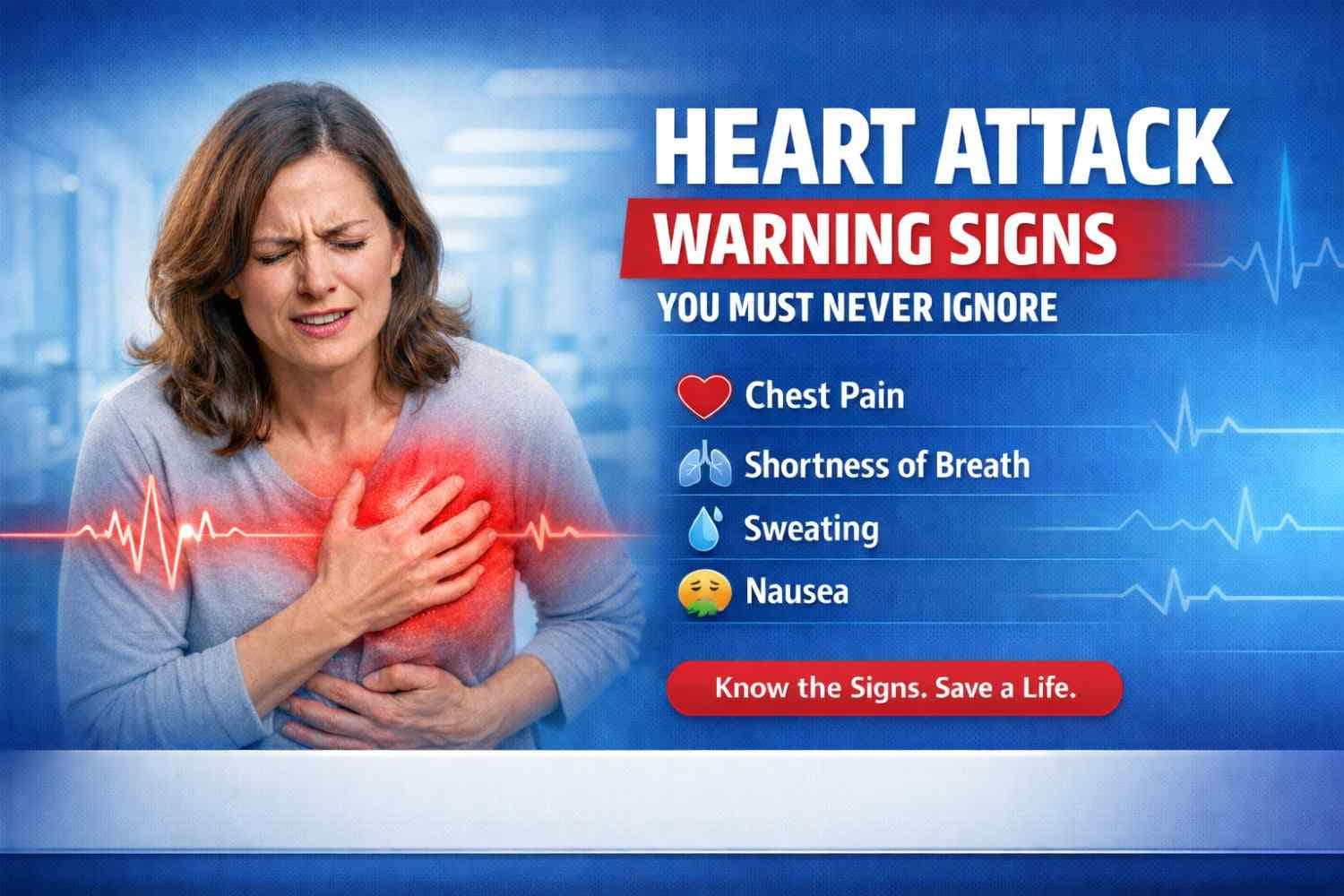
Heart Attack Warning Signs You Must Never Ignore
Recognizing heart attack symptoms early can save your life. Learn the critical warning signs from Dr. Amit Kumar Singh, Senior Interventional Cardiologist at Jigyasa Hospital, Moradabad. Call 7900903333.
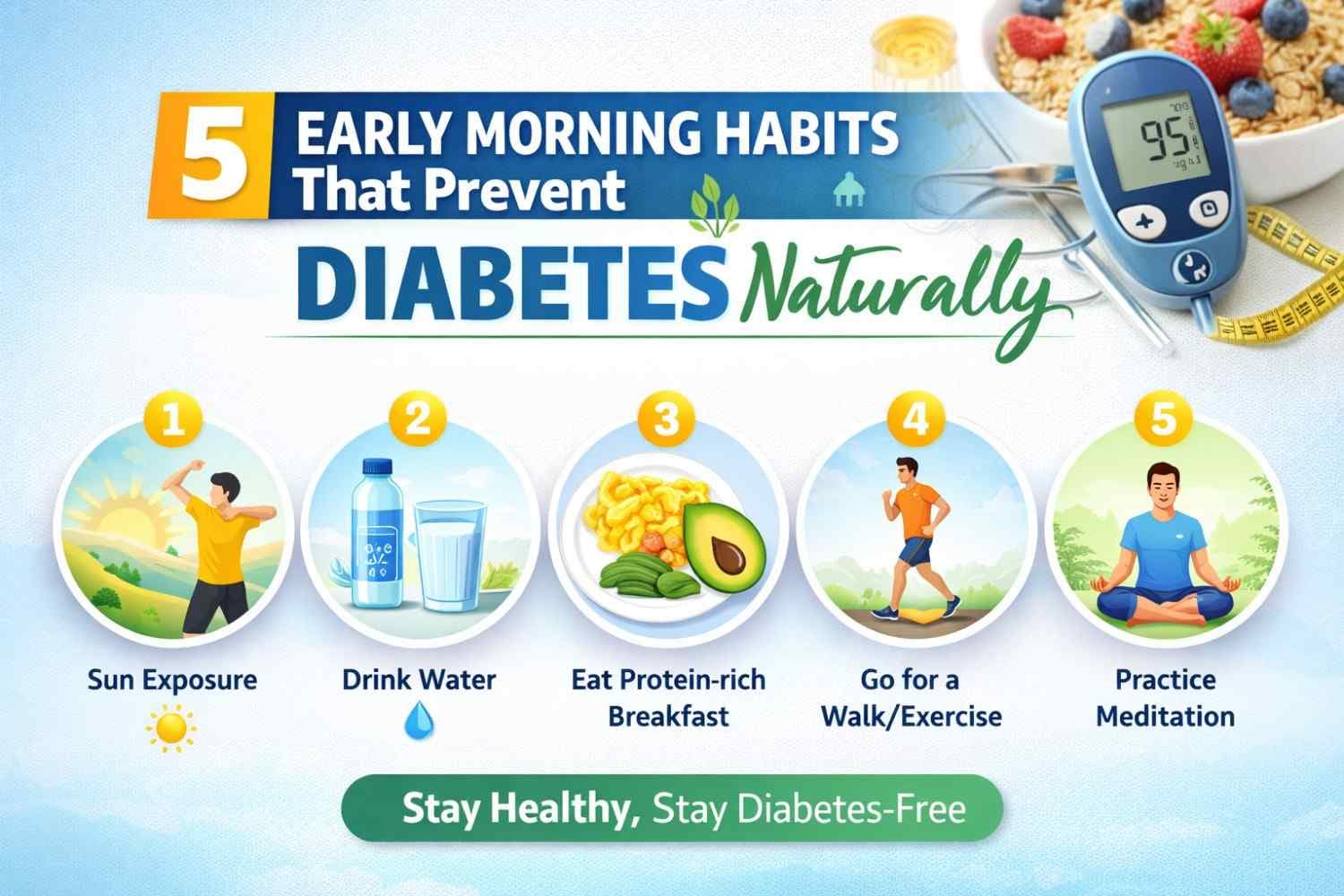
5 Early Morning Habits That Prevent Diabetes Naturally
Discover 5 powerful morning habits that naturally prevent diabetes. Expert advice from Dr. C.P. Singh, Senior Consultant Physician at Jigyasa Hospital, Moradabad. Call 7900903333.
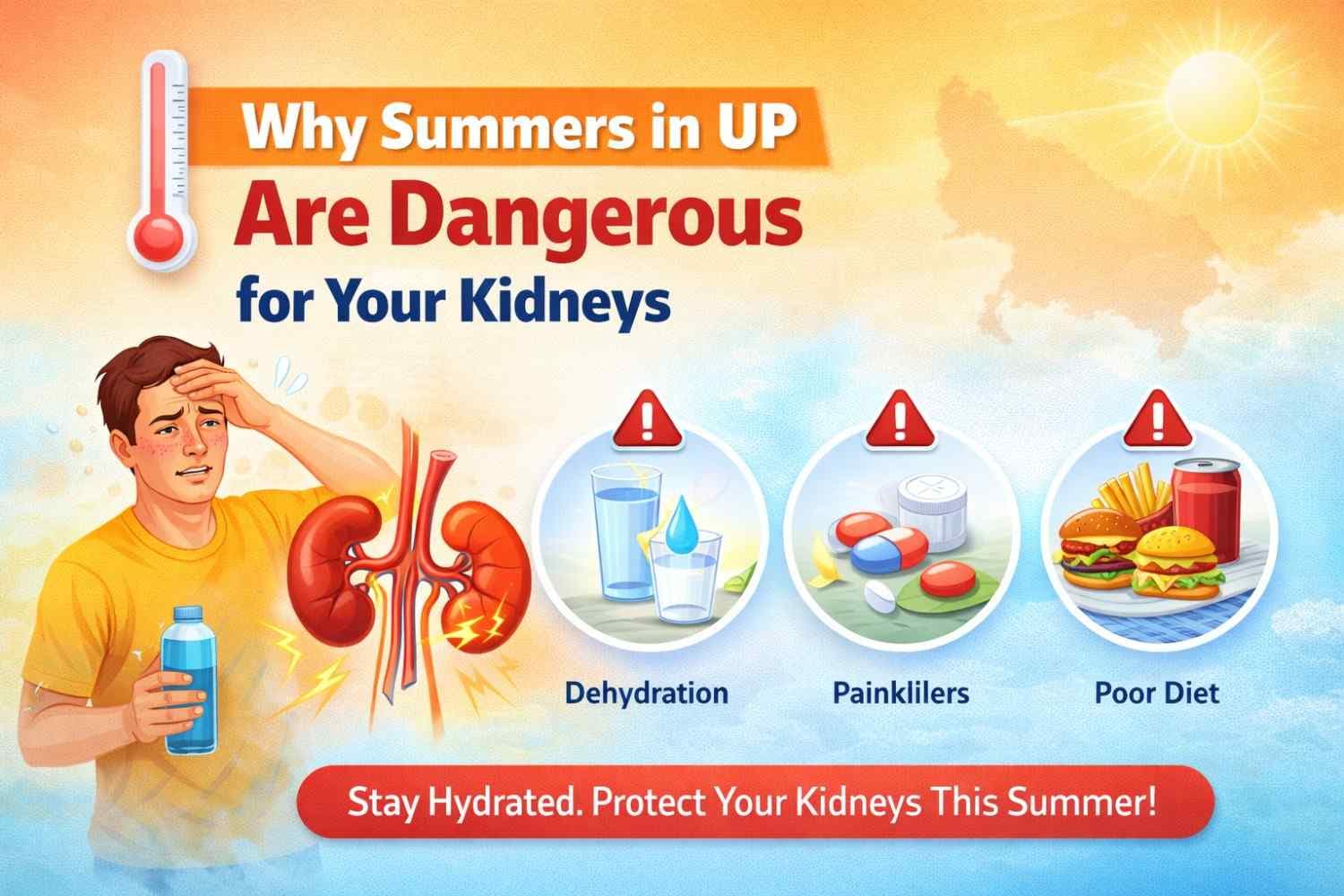
Why Summers in UP Are Dangerous for Your Kidneys
UP summers can silently damage your kidneys. Jigyasa Hospital Moradabad explains the hidden risks, warning signs, and how to protect your kidneys this season. Call 7900903333.