

PCOD vs PCOS: Are They the Same Thing?
Are PCOD and PCOS the same? Learn the difference, symptoms, diagnosis, and treatment options, with guidance from Dr. Karishma Singh, Gynecologist, Jigyasa Hospital, Moradabad.
"I have PCOD" and "I have PCOS" are often said as if they mean the same thing, and in everyday conversation in India the two terms are used almost interchangeably. Many women hear one or the other after an ultrasound and are left unsure how serious it is, whether it affects fertility, and whether it's something they will have for life. The truth is that the terms are related but not identical, and understanding the difference helps women ask better questions and get the right care. At Jigyasa Hospital, Moradabad, Dr. Karishma Singh, our specialist in Gynecology, Obstetrics, and IVF, regularly helps women make sense of these diagnoses and build a practical, long-term plan.
What Is PCOD?
PCOD (Polycystic Ovarian Disease) is a term commonly used for a condition in which the ovaries contain multiple small, immature follicles, often seen as a "polycystic" appearance on ultrasound. These are not true harmful cysts but follicles that have not matured properly. In everyday use, PCOD usually describes a milder picture, often linked to lifestyle, weight, and hormonal imbalance, where ovulation may be irregular but can often be restored with lifestyle changes.
What Is PCOS?
PCOS (Polycystic Ovary Syndrome) is the more precise medical term. It is a hormonal and metabolic syndrome, not just an ovarian appearance. It involves a combination of features: irregular or absent ovulation, signs of excess male hormones (androgens), and polycystic-appearing ovaries. It is also linked with insulin resistance in many women, giving it effects that reach beyond the ovaries.
Are PCOD and PCOS Really Different?
This is where the answer needs honesty. In many medical references, PCOD is not a separate, formally defined condition, and "PCOS" is the recognised diagnosis. In India, however, the two terms are commonly used to describe a spectrum:
| Feature | PCOD (commonly used to mean) | PCOS |
|---|---|---|
| Nature | Milder ovarian and hormonal imbalance | Broader hormonal and metabolic syndrome |
| Ovulation | Often irregular but can occur | Often infrequent or absent |
| Androgen excess signs | Usually mild or absent | Often present (acne, hair growth) |
| Insulin resistance | Less prominent | Common |
| Fertility effect | Often manageable with lifestyle | Can be more challenging, often needs treatment |
| Long-term health risks | Lower | Higher (diabetes, cholesterol, heart risk) |
Because definitions vary between doctors and sources, the label matters less than a proper evaluation of what is actually happening in your body. A doctor assesses your cycles, hormones, and ultrasound, and then recommends treatment that fits you.
Common Symptoms
- •Irregular, delayed, or missed periods
- •Difficulty conceiving
- •Excess facial or body hair (hirsutism)
- •Persistent acne or oily skin
- •Thinning scalp hair
- •Weight gain, especially around the abdomen, or difficulty losing weight
- •Dark, velvety skin patches on the neck or underarms (acanthosis nigricans)
- •Mood changes, anxiety, or low mood
- •Sleep problems
Not every woman has every symptom, and severity varies widely.
What Causes It?
The exact cause isn't fully understood, but several factors contribute:
- •Insulin resistance: The body makes more insulin, which can push the ovaries to produce more androgens
- •Hormonal imbalance: Higher androgen levels and altered signalling between the brain and ovaries disrupt ovulation
- •Genetics: It often runs in families
- •Lifestyle factors: Weight gain, inactivity, and diet can worsen symptoms, though women of normal weight can also have PCOS
- •Chronic low-grade inflammation, which may play a role
How Is It Diagnosed?
PCOS is generally diagnosed when at least two of the following are present, after other causes are ruled out:
- •1. Irregular or absent ovulation
- •2. Clinical or blood-test evidence of excess androgens
- •3. Polycystic-appearing ovaries on ultrasound
At Jigyasa Hospital, Dr. Karishma Singh's evaluation typically includes:
- •Detailed history of menstrual pattern, weight changes, and family history
- •Physical examination for signs of hair growth, acne, and skin changes
- •Blood tests for hormones, thyroid function, and blood sugar or insulin resistance
- •Pelvic ultrasound to assess ovaries and the uterine lining
- •Ruling out similar conditions such as thyroid disorders and raised prolactin
Having polycystic-looking ovaries on an ultrasound alone does not always mean PCOS, which is why the whole picture matters.
Why It Shouldn't Be Ignored
PCOS and PCOD are not just about periods. Over time, untreated PCOS is associated with:
- •Difficulty conceiving and irregular ovulation
- •Higher risk of gestational diabetes and pregnancy complications
- •Type 2 diabetes and insulin resistance
- •High cholesterol and high blood pressure
- •Thickening of the uterine lining from infrequent periods, which can raise long-term risk
- •Sleep apnoea
- •Anxiety and depression
Early evaluation and steady management lower these risks substantially.
Treatment Approaches
Treatment is individualised based on symptoms and whether the woman wants to conceive.
Lifestyle Changes: The Foundation
- •Even a modest weight loss, around 5 to 10 percent in overweight women, can improve cycles and ovulation
- •Balanced meals with whole grains, vegetables, protein, and fewer refined carbohydrates and sugary drinks
- •Regular physical activity, such as brisk walking, strength training, or yoga, most days of the week
- •Adequate sleep and stress management
- •Avoiding crash diets, which can worsen hormonal balance
Medical Treatment
- •Hormonal medication to regulate periods and protect the uterine lining
- •Medication to reduce androgen effects, such as for acne or unwanted hair
- •Insulin-sensitising treatment when insulin resistance is present, guided by the doctor
- •Ovulation-inducing medication for women trying to conceive
- •Cosmetic and dermatological treatments for acne and hair concerns, as advised
Fertility Support
Many women with PCOS conceive with lifestyle changes and ovulation-inducing medicines. When these aren't enough, further fertility treatment options are discussed with the specialist, with a plan tailored to the couple.
Living With PCOS or PCOD
- •Treat it as a long-term condition to manage, not a short-term problem to cure
- •Keep regular follow-ups for blood sugar, cholesterol, and blood pressure
- •Don't stop treatment on your own because periods become regular
- •Seek support for emotional health, since body image, acne, and fertility worries can be stressful
- •Involve family, who may not realise the condition is medical rather than just lifestyle
When to See a Gynecologist
- •Periods are irregular, very infrequent, or absent for several months
- •You're trying to conceive without success after the recommended time
- •You notice excess hair growth, severe acne, or scalp hair thinning
- •You gain weight rapidly or can't lose weight despite effort
- •You were told after a scan that you have "cysts" and don't know what it means
- •You have a family history of PCOS or diabetes and want early guidance
Gynecology Care at Jigyasa Hospital, Moradabad
- •Comprehensive PCOS/PCOD evaluation with hormonal testing and ultrasound
- •Personalized treatment plans for menstrual irregularity, fertility, and metabolic health
- •Expert guidance from Dr. Karishma Singh, Gynecologist & IVF Specialist
- •Fertility support including ovulation induction and advanced reproductive care
Book an Appointment: 7900903333
Address: Near Miglani Cinema, Rampur Road, Moradabad – 244001
Online Appointments: jigyasahospital.com
Gynecology | PCOS Treatment | Fertility Care | Hormonal Health | Ayushman Bharat Accepted
Key Takeaways
- •PCOD and PCOS are related but not identical — PCOS is the recognized medical diagnosis; PCOD is commonly used for a milder, ovary-focused picture.
- •PCOS involves irregular ovulation, excess androgens (acne, hair growth), polycystic ovaries, and often insulin resistance.
- •Diagnosis requires at least 2 of 3 criteria: irregular ovulation, androgen excess, polycystic ovaries on ultrasound — after ruling out other causes.
- •Lifestyle changes (5-10% weight loss, balanced diet, exercise) are the foundation; medications regulate periods, reduce androgens, and support fertility.
- •Untreated PCOS raises long-term risks: diabetes, high cholesterol, pregnancy complications, and uterine lining thickening — early management lowers these risks.
Frequently Asked Questions
Are PCOD and PCOS the same disease?
They're closely related and often used interchangeably. PCOS is the recognised medical diagnosis, while PCOD is commonly used for a milder or ovary-focused picture. What matters is a proper evaluation and personalised treatment.
Can PCOS be cured completely?
PCOS can't be permanently cured, but symptoms can be managed very effectively. Many women see significant improvement and live healthy lives with consistent lifestyle changes and, when needed, medication.
Will I be able to get pregnant if I have PCOS?
Yes, many women with PCOS conceive naturally or with simple treatment. It can take more time and support, so early guidance helps.
Are the "cysts" on my ovaries dangerous?
No. They are small, immature follicles, not harmful cysts, and they don't usually need to be surgically removed.
Can thin women have PCOS?
Yes. PCOS affects women of all body types, though weight gain can worsen symptoms in many.
Related Articles

Heart Attack Warning Signs You Must Never Ignore
Recognizing heart attack symptoms early can save your life. Learn the critical warning signs from Dr. Amit Kumar Singh, Senior Interventional Cardiologist at Jigyasa Hospital, Moradabad. Call 7900903333.
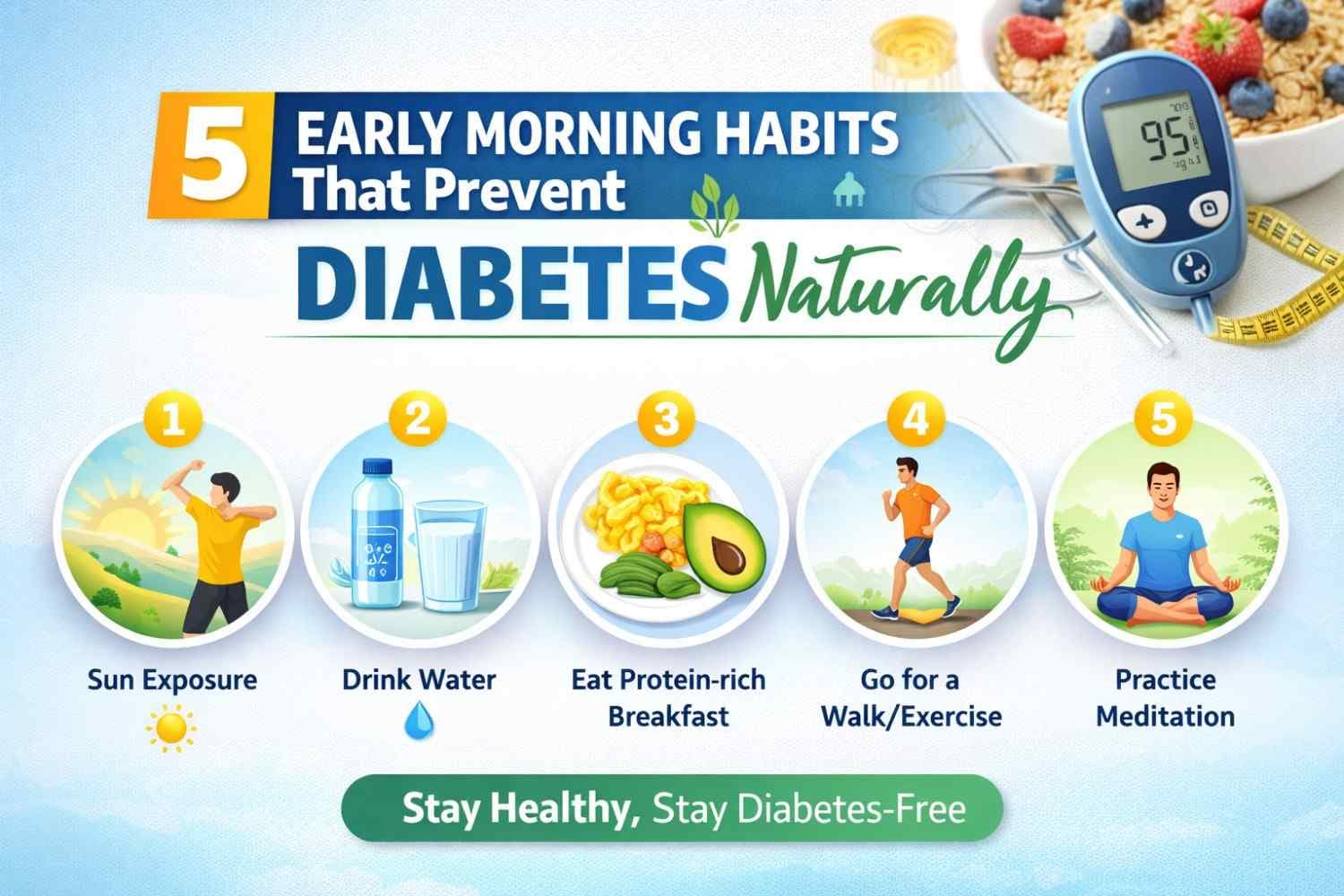
5 Early Morning Habits That Prevent Diabetes Naturally
Discover 5 powerful morning habits that naturally prevent diabetes. Expert advice from Dr. C.P. Singh, Senior Consultant Physician at Jigyasa Hospital, Moradabad. Call 7900903333.
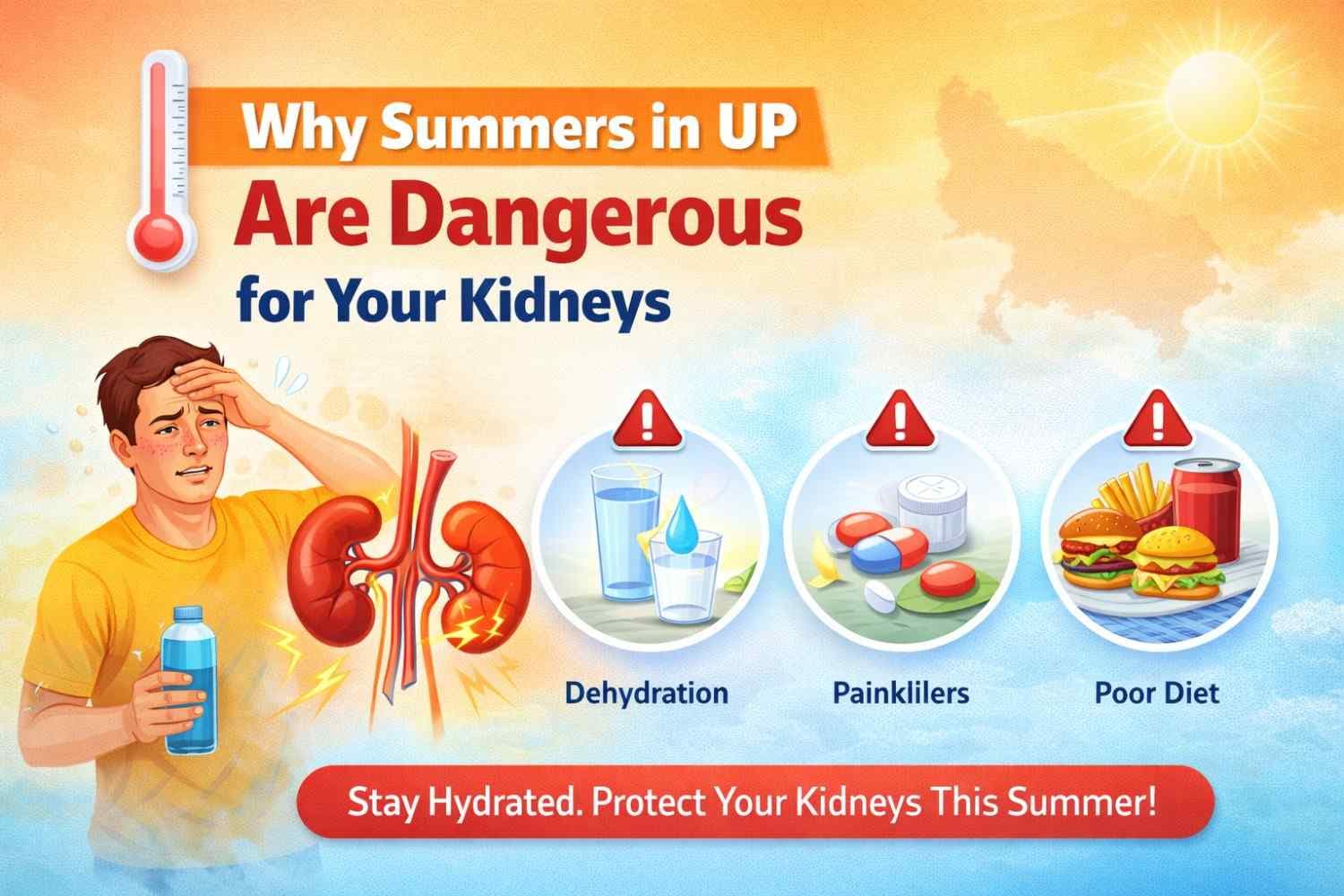
Why Summers in UP Are Dangerous for Your Kidneys
UP summers can silently damage your kidneys. Jigyasa Hospital Moradabad explains the hidden risks, warning signs, and how to protect your kidneys this season. Call 7900903333.