
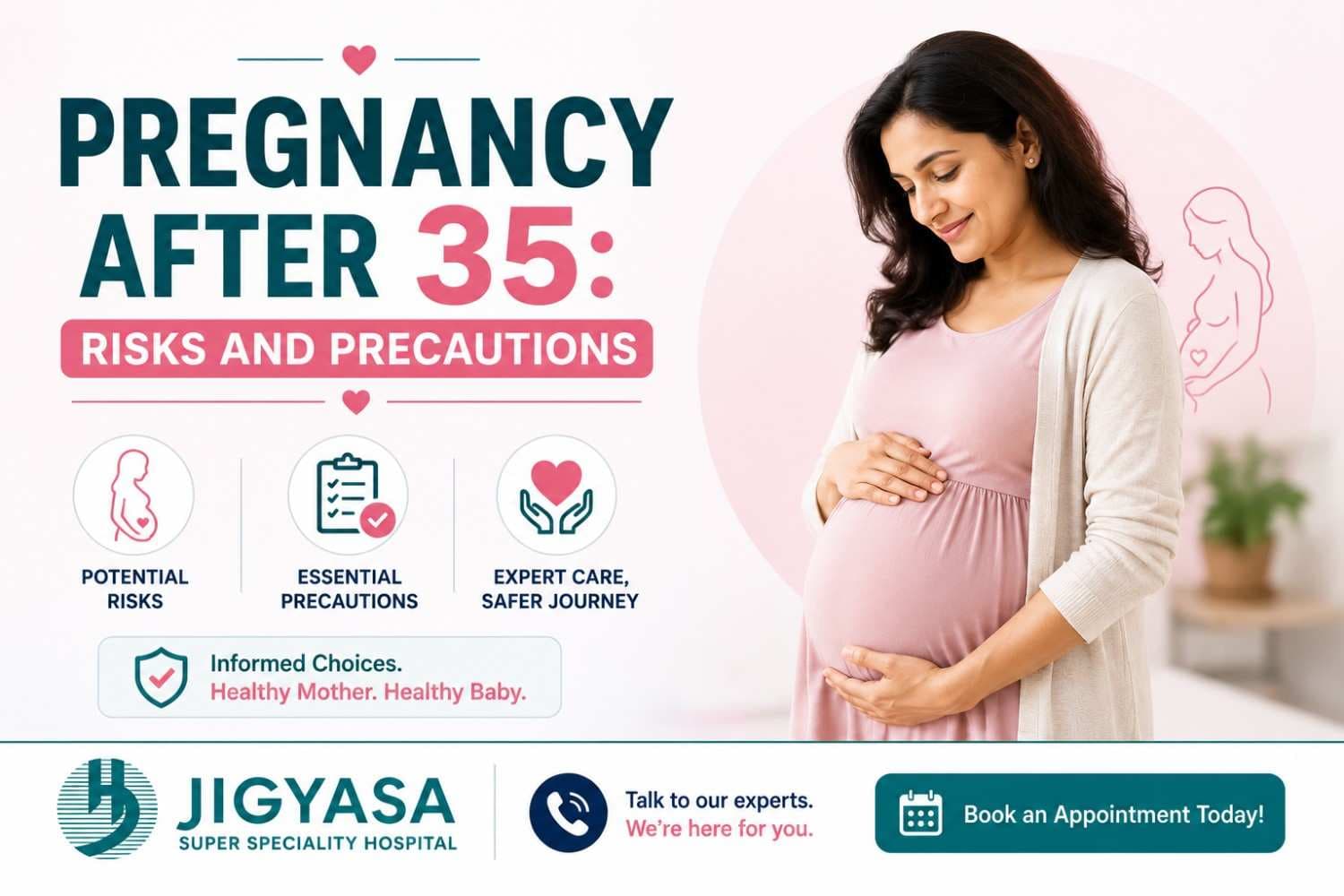
Pregnancy After 35: Risks and Precautions
Planning a Pregnancy After 35? Know the Real Risks, Essential Precautions, and Expert-Backed Advice from Jigyasa Hospital Moradabad's Gynaecology Team. Stay Informed, Stay Safe.
Across India, the average age of first-time mothers is rising steadily — driven by career ambitions, delayed marriages, financial planning, and greater access to fertility treatments. Medically, any pregnancy where the mother is 35 years or older at the time of delivery is classified as a geriatric pregnancy — a clinical term that sounds alarming but simply means it requires closer monitoring. At Jigyasa Hospital, Moradabad, our obstetrics and gynaecology team regularly cares for women in this age group who go on to have healthy, uncomplicated deliveries. But preparation, awareness, and the right medical support make all the difference. This guide covers every significant risk, the most important precautions, and the tests that are non-negotiable if you are pregnant — or planning to be — after 35.
How Common Is Pregnancy After 35 in India?
- •According to recent NFHS (National Family Health Survey) data, the proportion of Indian women having their first child after age 30 has increased significantly over the past decade.
- •Urban centres like Moradabad, Bareilly, and across Western Uttar Pradesh are seeing this trend clearly — with more educated, working women deferring motherhood into their mid-to-late 30s.
- •The key message: pregnancy after 35 is increasingly common, medically manageable, and millions of women navigate it successfully every year — with the right care.
The Real Risks of Pregnancy After 35
Reduced Fertility and Difficulty Conceiving: A woman is born with all the eggs she will ever have — and both the quantity and quality of eggs decline significantly after 35. By age 35, fertility has dropped noticeably; by 40, it drops sharply — making natural conception harder and the need for fertility assistance more likely. Miscarriage rates also increase with age: approximately 10–15% at age 30, rising to 25–30% by age 40 — largely due to chromosomal abnormalities in the egg.
Higher Risk of Chromosomal Abnormalities: The most well-known risk of advanced maternal age is an increased likelihood of chromosomal conditions in the baby. Down syndrome (Trisomy 21) risk rises significantly with age:
| Maternal Age | Approximate Risk of Down Syndrome |
|---|---|
| Age 25 | 1 in 1,200 |
| Age 35 | 1 in 350 |
| Age 40 | 1 in 100 |
| Age 45 | 1 in 30 |
Down Syndrome Risk by Maternal Age
Other chromosomal conditions such as Trisomy 18 (Edwards syndrome) and Trisomy 13 (Patau syndrome) also increase in likelihood with maternal age. Prenatal genetic screening — including NIPT, nuchal translucency scan, and amniocentesis — becomes especially important after 35.
Gestational Diabetes: Women over 35 are significantly more likely to develop gestational diabetes — high blood sugar that develops during pregnancy. If unmanaged, it increases the risk of delivering a very large baby (macrosomia), pre-eclampsia, preterm birth, and a higher lifetime risk of Type 2 diabetes for both mother and child. Regular blood sugar monitoring from the first trimester is essential.
High Blood Pressure and Pre-eclampsia: Pre-eclampsia — a serious condition involving high blood pressure and organ stress during pregnancy — is more common in women over 35. If left undetected, it can progress to eclampsia (seizures), placental abruption, and in severe cases can be life-threatening for both mother and baby. Signs to watch for include sudden swelling in the face, hands, or feet; severe headache; vision changes; and upper abdominal pain — seek emergency care immediately if these appear.
Placenta Previa and Placental Problems: As maternal age increases, so does the risk of placenta previa — where the placenta partially or fully covers the cervix, blocking the birth canal. This often requires a Caesarean section and can cause heavy bleeding during pregnancy. Placental abruption (premature separation of the placenta from the uterine wall) is also more frequent after 35 and is a medical emergency.
Preterm Birth and Low Birth Weight: Pregnancies after 35 carry a higher statistical likelihood of delivering before 37 weeks. Preterm babies face higher risks of respiratory distress, feeding difficulties, and developmental delays — making access to a well-equipped maternity hospital with a NICU strongly advisable.
Higher Rate of Caesarean Section: Women over 35 are statistically more likely to require a C-section — due to a combination of fetal positioning issues, labour complications, and the presence of conditions like placenta previa or gestational diabetes. While a C-section is a safe and common procedure, recovery time is longer and it carries its own surgical risks — making pre-delivery planning and hospital preparedness essential.
Essential Precautions for a Healthy Pregnancy After 35
Start Preconception Planning Early: Ideally, see a gynaecologist 3–6 months before trying to conceive. Preconception care includes:
- •Blood tests to rule out anaemia, thyroid disorders, diabetes, and infections (including hepatitis B, rubella immunity, and HIV)
- •Review and adjustment of any existing medications that may affect pregnancy
- •Folic acid supplementation (400–800 mcg daily) — to be started before conception, not after a positive test
- •Assessing BMI and blood pressure — both need to be in healthy ranges before pregnancy
Do Not Skip Any Antenatal Appointments: Pregnancies after 35 are high-risk — which means a more frequent monitoring schedule than standard. Your antenatal schedule should include:
- •First trimester: blood panel, NT scan (11–14 weeks), NIPT or Double Marker test
- •Second trimester: Anomaly Scan (18–20 weeks), Quadruple Marker test, gestational diabetes screening (24–28 weeks)
- •Third trimester: growth scans every 3–4 weeks, fetal Doppler studies, biophysical profile if needed
- •Blood pressure monitoring at every visit — without exception
Prioritise Genetic Screening and Testing:
- •NIPT (Non-Invasive Prenatal Test): A simple blood test from 10 weeks onwards that screens for chromosomal abnormalities using fetal DNA in the mother's bloodstream — highly accurate and completely safe.
- •Nuchal Translucency (NT) Scan: Ultrasound at 11–14 weeks to assess early markers for Down syndrome and other conditions.
- •Amniocentesis or CVS (Chorionic Villus Sampling): Offered to women over 35 for definitive chromosomal diagnosis — invasive but highly accurate. Discuss risks and benefits thoroughly with your doctor.
Manage Weight, Nutrition, and Supplements Carefully: Excess weight gain during pregnancy is riskier after 35. Essential nutrients to prioritise:
- •Folic Acid: Prevents neural tube defects
- •Iron: Prevents anaemia, very common in Indian pregnancies
- •Calcium and Vitamin D: Bone health for mother and baby
- •DHA (Omega-3): Supports fetal brain development
- •Iodine: Thyroid health critical for fetal brain development
Avoid raw or undercooked foods, unpasteurised dairy, excess caffeine (under 200 mg/day), and all alcohol during pregnancy.
Manage Pre-Existing Conditions Before and During Pregnancy: Conditions like thyroid disorders, hypertension, diabetes, PCOS, lupus, and kidney disease all need to be stable and well-managed before and throughout pregnancy. Women on long-term medication should consult their specialist — many drugs are unsafe during pregnancy and need to be switched. This is particularly important in India, where hypothyroidism is highly prevalent among women and significantly impacts fetal brain development if untreated.
Stay Physically Active — With Guidance: Regular, moderate exercise during pregnancy is safe and beneficial — it reduces the risk of gestational diabetes, controls weight, improves mood, and prepares the body for labour. Safe activities include walking, prenatal yoga, swimming, and light stretching. Avoid high-impact sports, contact activities, and any exercise that risks falling. Always get clearance from your gynaecologist before starting or continuing any exercise during pregnancy.
Plan Your Delivery Hospital Carefully: Women over 35 with high-risk pregnancies should deliver at a hospital equipped with:
- •A dedicated Labour and Delivery unit with 24/7 obstetric cover
- •Emergency C-section capability at any hour
- •A NICU (Neonatal Intensive Care Unit) for preterm or at-risk newborns
- •Blood bank access and intensive care for maternal emergencies
Jigyasa Hospital, Moradabad offers complete maternity care — from antenatal consultations and high-risk pregnancy monitoring to delivery and postnatal support.
When to Call Your Doctor Immediately During Pregnancy
- •Heavy vaginal bleeding at any stage of pregnancy
- •Severe headache or blurred vision — possible pre-eclampsia
- •Sudden swelling of the face, hands, or feet
- •Reduced or absent fetal movements after 28 weeks
- •Severe abdominal pain or cramping
- •Fever above 38°C combined with chills or pain
- •Burning or pain on urination — UTIs are more common and more dangerous in pregnancy
- •Leaking fluid from the vagina before 37 weeks — possible premature rupture of membranes
Expert Maternity Care at Jigyasa Hospital, Moradabad
- •Our Obstetrics and Gynaecology department is equipped to manage all levels of pregnancy complexity — from routine antenatal care to high-risk cases requiring close monitoring.
- •We offer a full suite of antenatal services: NT scans, anomaly scans, NIPT counselling, gestational diabetes screening, fetal Doppler, and high-risk pregnancy monitoring protocols.
- •Our experienced gynaecology team works in close coordination with our cardiology, endocrinology, and neonatology departments — ensuring seamless, integrated care for mothers and newborns.
- •24/7 Labour and Delivery unit with emergency C-section capability and a well-equipped neonatal care facility.
Book a Consultation: 7900903333
Address: Near Miglani Cinema, Rampur Road, Moradabad – 244001
Appointments Online: jigyasahospital.com
High-Risk Pregnancy Care | Antenatal Monitoring | NT Scan | Anomaly Scan | NIPT Counselling | 24/7 Delivery Unit | NICU | Ayushman Bharat Accepted
Key Takeaways
- •Pregnancy after 35 is classified as high-risk — but with proper care, millions of women deliver healthy babies at this age every year.
- •The main risks include chromosomal abnormalities, gestational diabetes, pre-eclampsia, placental complications, and higher C-section rates — all of which are manageable with the right monitoring.
- •Preconception planning, regular antenatal checkups, genetic screening, and choosing the right hospital are the four most important steps any woman over 35 can take.
- •Never skip an antenatal appointment — in a high-risk pregnancy, regular monitoring is your greatest safety net.
- •Jigyasa Hospital, Moradabad offers complete, compassionate maternity care — from your first consultation to the moment you bring your baby home.
Frequently Asked Questions
Is pregnancy after 35 considered high risk in India?
Yes. Medically, any pregnancy where the mother is 35 or older at the time of delivery is classified as a geriatric pregnancy and managed as high risk. This means more frequent antenatal monitoring, additional screening tests, and closer coordination between specialists. However, high risk does not mean dangerous — millions of women over 35 in India deliver healthy babies every year with proper care.
What genetic tests are recommended for pregnancy after 35?
The key tests recommended are NIPT (Non-Invasive Prenatal Testing) from 10 weeks onwards, the Nuchal Translucency (NT) scan at 11–14 weeks, and the Double or Quadruple Marker blood test. For definitive chromosomal diagnosis, amniocentesis or CVS (Chorionic Villus Sampling) may be offered. Discuss the risks and benefits of each test with your gynaecologist at Jigyasa Hospital.
What is the risk of Down syndrome in pregnancy after 35?
The risk of Down syndrome increases significantly with maternal age. At age 35, the risk is approximately 1 in 350; at age 40, approximately 1 in 100; and at age 45, approximately 1 in 30. This is why prenatal genetic screening — particularly NIPT and the NT scan — is strongly recommended for all women conceiving after 35.
Can I have a normal vaginal delivery after 35?
Yes, many women over 35 have uncomplicated vaginal deliveries. However, the statistical likelihood of requiring a Caesarean section is higher in this age group — due to increased rates of placenta previa, fetal positioning issues, and labour complications. Your gynaecologist will assess your specific situation and plan accordingly. Delivering at a hospital with 24/7 emergency C-section capability is strongly recommended.
What supplements should I take if I am pregnant after 35?
Essential supplements include folic acid (400–800 mcg daily, ideally started before conception), iron, calcium with Vitamin D, DHA (Omega-3 for fetal brain development), and iodine. Your gynaecologist will prescribe a tailored supplementation plan based on your blood test results. Do not self-prescribe supplements during pregnancy without medical guidance.
What is pre-eclampsia and how do I know if I have it?
Pre-eclampsia is a serious pregnancy condition characterised by high blood pressure and stress on organs — particularly the kidneys and liver. It is more common in women over 35. Warning signs include sudden swelling of the face, hands, or feet; severe persistent headache; blurred or disturbed vision; and pain in the upper abdomen. If you experience any of these symptoms, seek emergency medical care immediately. Regular blood pressure monitoring at every antenatal visit is the most important way to detect pre-eclampsia early.
When should I start trying to conceive if I am 35 or older?
Ideally, start preconception planning 3–6 months before trying to conceive. Visit a gynaecologist for a full health evaluation, start folic acid supplementation, ensure any pre-existing conditions are well managed, and discuss your fertility options. The sooner you begin preconception care, the better your preparation and the higher your chances of a healthy pregnancy.
Is IVF necessary after 35?
Not necessarily. Many women over 35 conceive naturally. IVF or other assisted reproductive technologies are considered if natural conception has not occurred after 6 months of trying (compared to 12 months for women under 35), or if there are known fertility issues. A fertility evaluation by a gynaecologist or reproductive specialist will determine the most appropriate path for your situation.
Does Jigyasa Hospital offer high-risk pregnancy care?
Yes. Jigyasa Hospital, Moradabad has a dedicated Obstetrics and Gynaecology department equipped to manage all levels of pregnancy complexity — including high-risk pregnancies after 35. Services include NT scans, anomaly scans, NIPT counselling, gestational diabetes screening, fetal Doppler monitoring, a 24/7 Labour and Delivery unit, emergency C-section capability, and a neonatal care facility. Call 7900903333 or visit jigyasahospital.com to book a consultation.
What foods should I avoid during pregnancy after 35?
Avoid raw or undercooked meat and eggs, unpasteurised dairy products, high-mercury fish (shark, swordfish, king mackerel), excess caffeine (keep under 200 mg per day), and all alcohol throughout pregnancy. Also avoid self-prescribed medications — many common over-the-counter drugs, including certain painkillers, are unsafe during pregnancy. Always consult your gynaecologist before taking any medication.
Related Articles

Heart Attack Warning Signs You Must Never Ignore
Recognizing heart attack symptoms early can save your life. Learn the critical warning signs from Dr. Amit Kumar Singh, Senior Interventional Cardiologist at Jigyasa Hospital, Moradabad. Call 7900903333.
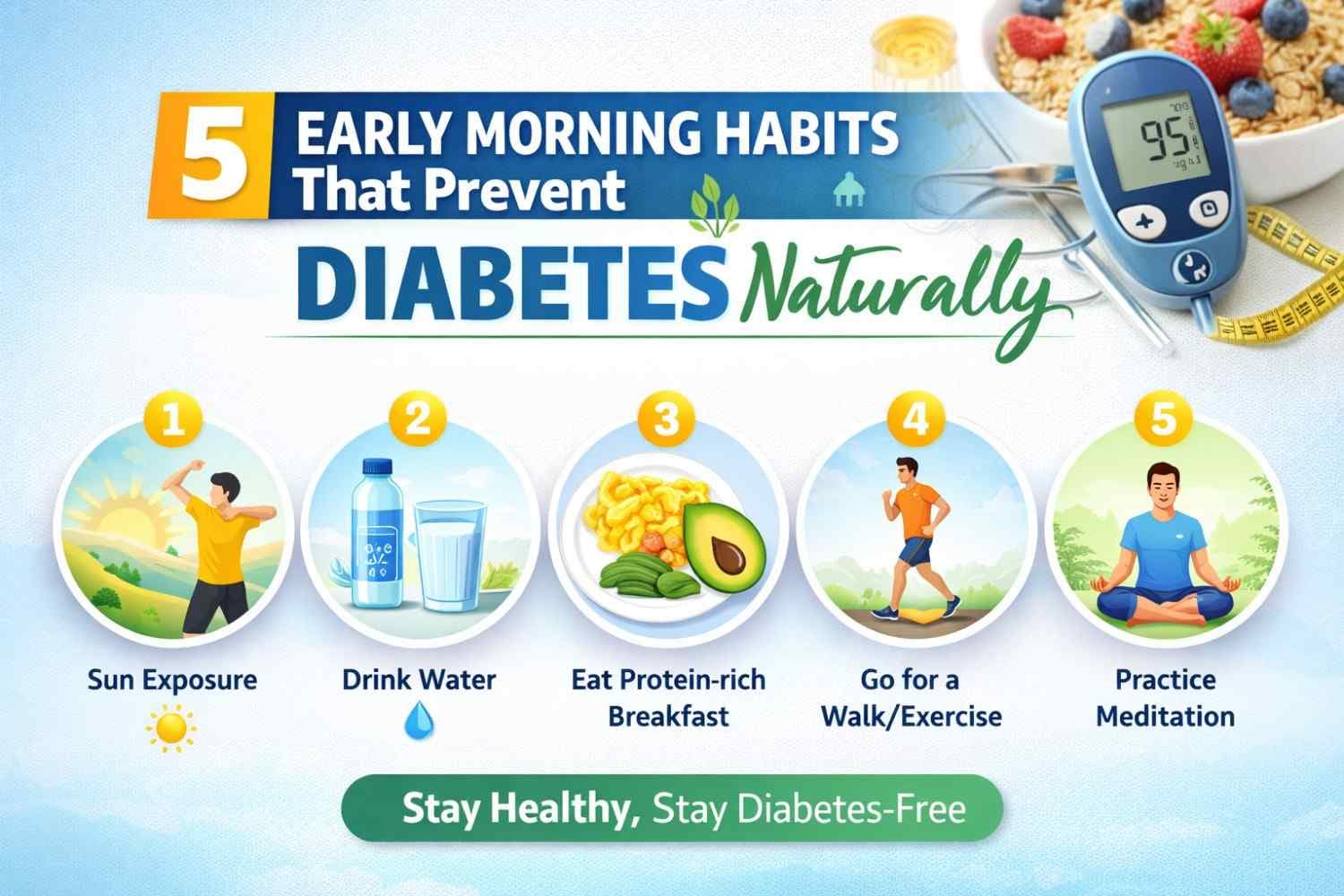
5 Early Morning Habits That Prevent Diabetes Naturally
Discover 5 powerful morning habits that naturally prevent diabetes. Expert advice from Dr. C.P. Singh, Senior Consultant Physician at Jigyasa Hospital, Moradabad. Call 7900903333.
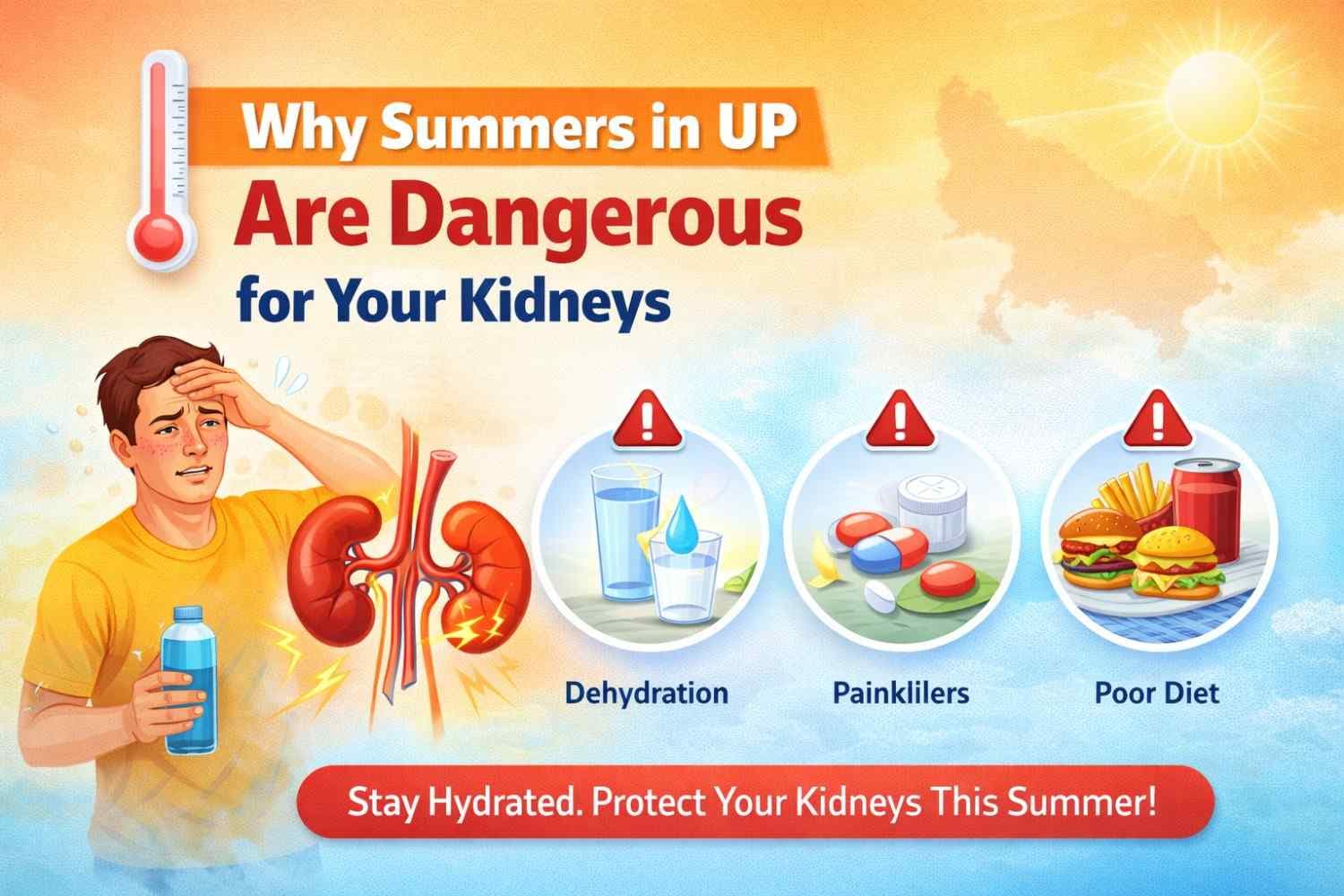
Why Summers in UP Are Dangerous for Your Kidneys
UP summers can silently damage your kidneys. Jigyasa Hospital Moradabad explains the hidden risks, warning signs, and how to protect your kidneys this season. Call 7900903333.