
Silent Heart Attacks in Women: Symptoms & Warning Signs
Women often experience heart attacks without classic chest pain. Learn the silent symptoms, why they're missed, and when to see a cardiologist in Moradabad.
When most people picture a heart attack, they imagine sudden, crushing chest pain and a person collapsing. This is the image shown in movies and taught in basic first-aid classes. But this picture is incomplete — and dangerously so for women. A large number of women experience what doctors call a 'silent' heart attack, where the symptoms are subtle, easy to dismiss, or completely different from the textbook description. At Jigyasa Hospital, Moradabad, our cardiology team frequently sees women who delayed seeking care because their symptoms didn't match what they expected a heart attack to feel like.
What Is a Silent Heart Attack?
A silent heart attack, medically known as a silent myocardial infarction (SMI), occurs when the heart muscle is damaged due to blocked blood flow, but the person experiences minimal or no obvious symptoms. Sometimes it's only discovered later during an ECG or other cardiac test done for an unrelated reason. In other cases, the symptoms are present but so mild or unusual that they're mistaken for indigestion, fatigue, or muscle strain.
Silent heart attacks are not rare. Studies have shown that a significant proportion of heart attacks go unrecognized at the time they occur, and women are disproportionately affected by this under-recognition.
Why Do Symptoms Differ in Women?
The differences come down to biology, hormones, and the way heart disease develops differently in women compared to men.
- •Smaller blood vessels and microvascular disease: Men typically develop blockages in the larger coronary arteries, which produce the classic, sudden chest pain. Women are more prone to disease in the smaller blood vessels of the heart (microvascular disease), which produces vaguer, more diffuse symptoms rather than one sharp point of pain.
- •Hormonal protection and its loss: Estrogen offers some protective effect on blood vessels before menopause, which is why heart disease in women often appears later in life than in men. After menopause, this protection drops sharply, and heart disease risk rises quickly — often at an age when women (and their doctors) are still not thinking of heart disease as the primary concern.
- •Higher pain tolerance and symptom masking: Women often describe heart attack sensations as pressure, tightness, or discomfort rather than sharp pain, and these sensations may be milder or intermittent, making them easier to ignore or attribute to something else.
- •Symptoms overlap with common, 'everyday' complaints: Because early warning signs in women often resemble stress, anxiety, acid reflux, or simple tiredness, both patients and sometimes healthcare providers may not immediately connect these symptoms to the heart.
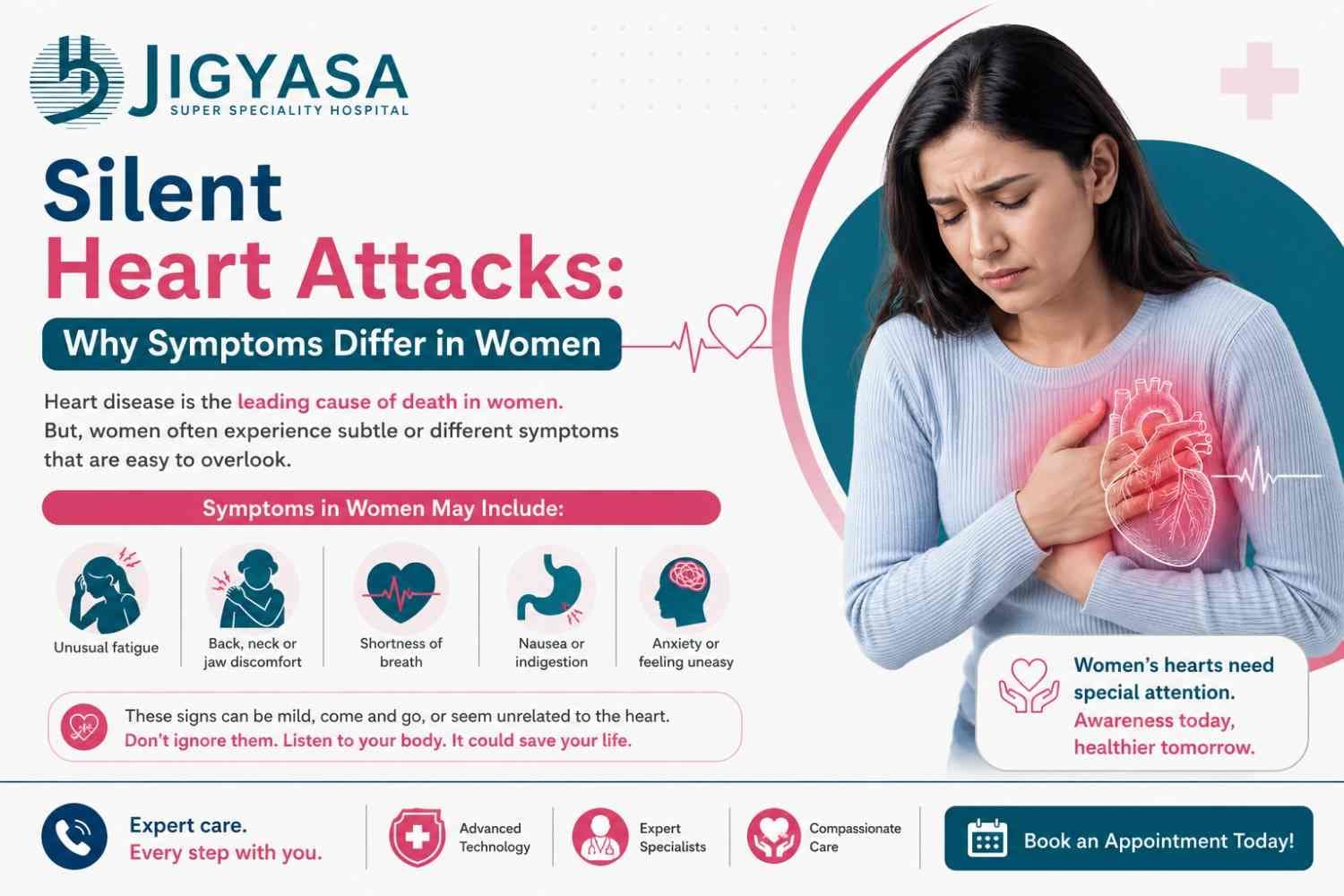
Common Silent Heart Attack Symptoms in Women
Women having a heart attack may experience one or more of the following, often without any chest pain at all:
- •Unusual or extreme fatigue, sometimes lasting for days before the event
- •Shortness of breath, even with mild exertion or at rest
- •Nausea, vomiting, or a feeling similar to indigestion
- •Pain or discomfort in the jaw, neck, upper back, or between the shoulder blades
- •Dizziness, lightheadedness, or a cold sweat
- •A vague sense of pressure or fullness in the chest, rather than sharp pain
- •Anxiety or a sense that 'something is wrong,' without a clear physical cause
- •Pain that radiates down one or both arms
Because these symptoms are so easy to attribute to stress, menopause, or minor illness, many women delay seeking medical attention — sometimes for hours or days, which can significantly worsen the outcome.
Who Is at Higher Risk?
Certain factors increase a woman's risk of silent heart attacks and heart disease in general:
- •Age above 45, especially after menopause
- •Family history of heart disease
- •Diabetes, which is known to blunt typical pain signals and increase silent heart attack risk
- •High blood pressure and high cholesterol
- •Smoking or tobacco use
- •Obesity and sedentary lifestyle
- •History of pregnancy complications such as preeclampsia or gestational diabetes
- •Chronic stress and poor sleep patterns
Women with diabetes are particularly vulnerable, as nerve damage from long-standing diabetes can reduce the ability to feel typical pain signals, making silent heart attacks more likely.
Why Early Detection Matters
The heart muscle begins to suffer permanent damage within a short window after blood flow is blocked. The longer treatment is delayed, the greater the risk of heart failure, arrhythmias, or death. Because women's symptoms are frequently misattributed to non-cardiac causes, they often arrive at the hospital later than men — a delay that can make a critical difference in outcomes.
This is why awareness is so important: knowing that a heart attack in women may not look like the movies can prompt faster action and potentially save a life.
Diagnosis and Treatment at Jigyasa Hospital
At Jigyasa Hospital, Moradabad, our interventional cardiology team, led by Dr. Amit Kumar Singh, evaluates women presenting with both classic and atypical symptoms using a combination of ECG, cardiac biomarker testing, echocardiography, and, when indicated, coronary angiography. If a blockage is identified, Dr. Singh personally performs coronary angioplasty and stenting (PCI) to restore blood flow to the heart muscle as quickly as possible, minimizing long-term damage.
We also emphasize preventive cardiology — regular screening for women with risk factors such as diabetes, hypertension, or family history, so that heart disease can be identified and managed before it becomes an emergency.
When to Seek Immediate Medical Help
Women should not wait to 'see if it passes' if they experience:
- •Unexplained shortness of breath
- •Persistent fatigue with no clear cause
- •Chest discomfort, pressure, or tightness — even if mild
- •Pain in the jaw, neck, back, or arms without injury
- •Sudden nausea, dizziness, or cold sweats without an obvious reason
If any of these occur, especially in combination, it's safer to get evaluated immediately rather than assume it's stress or a minor illness.
Heart Care at Jigyasa Hospital, Moradabad
- •Comprehensive cardiac evaluation with ECG, echocardiography, and advanced testing
- •Interventional procedures including coronary angioplasty and stenting performed by Dr. Amit Kumar Singh
- •Preventive cardiology screening for women with diabetes, hypertension, or family history
- •Do not wait for symptoms. Silent heart attacks have none — until complications begin.
Book a Cardiac Screening: 7900903333
Address: Near Miglani Cinema, Rampur Road, Moradabad – 244001
Online Appointments: jigyasahospital.com
ECG | Echocardiography | Cardiac Biomarker Testing | Coronary Angiography | Angioplasty & Stenting | Preventive Cardiology | Ayushman Bharat Accepted
Key Takeaways
- •Silent heart attacks in women often present without classic chest pain — symptoms include fatigue, breathlessness, nausea, jaw/back pain, and dizziness.
- •Women are disproportionately affected by under-recognition due to biological differences, hormonal changes, and symptom overlap with everyday complaints.
- •Diabetes, age above 45, family history, high blood pressure, smoking, and obesity significantly increase risk.
- •Early detection and immediate medical attention can prevent permanent heart damage, heart failure, or death.
- •Regular cardiac screening from age 40 (or earlier with risk factors) is critical — because silent heart attacks have no warning until it's too late.
Frequently Asked Questions
Can a woman have a heart attack without any chest pain at all?
Yes. Many women experience heart attacks with no chest pain, presenting instead with fatigue, breathlessness, nausea, or back and jaw discomfort.
Are silent heart attacks less dangerous than typical ones?
No. The damage to the heart muscle is the same or can even be worse, since the absence of clear symptoms often leads to delayed treatment.
How can I know if my heart is healthy if I have no symptoms?
Regular check-ups including blood pressure, cholesterol, blood sugar, and an ECG are recommended, especially for women above 40 or those with risk factors.
Does Dr. Amit Kumar Singh perform angioplasty himself?
Yes, Dr. Amit Kumar Singh is a certified interventional cardiologist who personally performs coronary angioplasty and stenting procedures at Jigyasa Hospital.
Is heart disease in women only a concern after menopause?
While risk increases after menopause, younger women with diabetes, high blood pressure, smoking history, or pregnancy-related complications can also be at risk and should not ignore warning signs.
What should I do if I think I'm having a silent heart attack?
Seek immediate medical attention. Do not wait to see if symptoms pass. Call emergency services or go to the nearest hospital with cardiac care facilities.
Related Articles
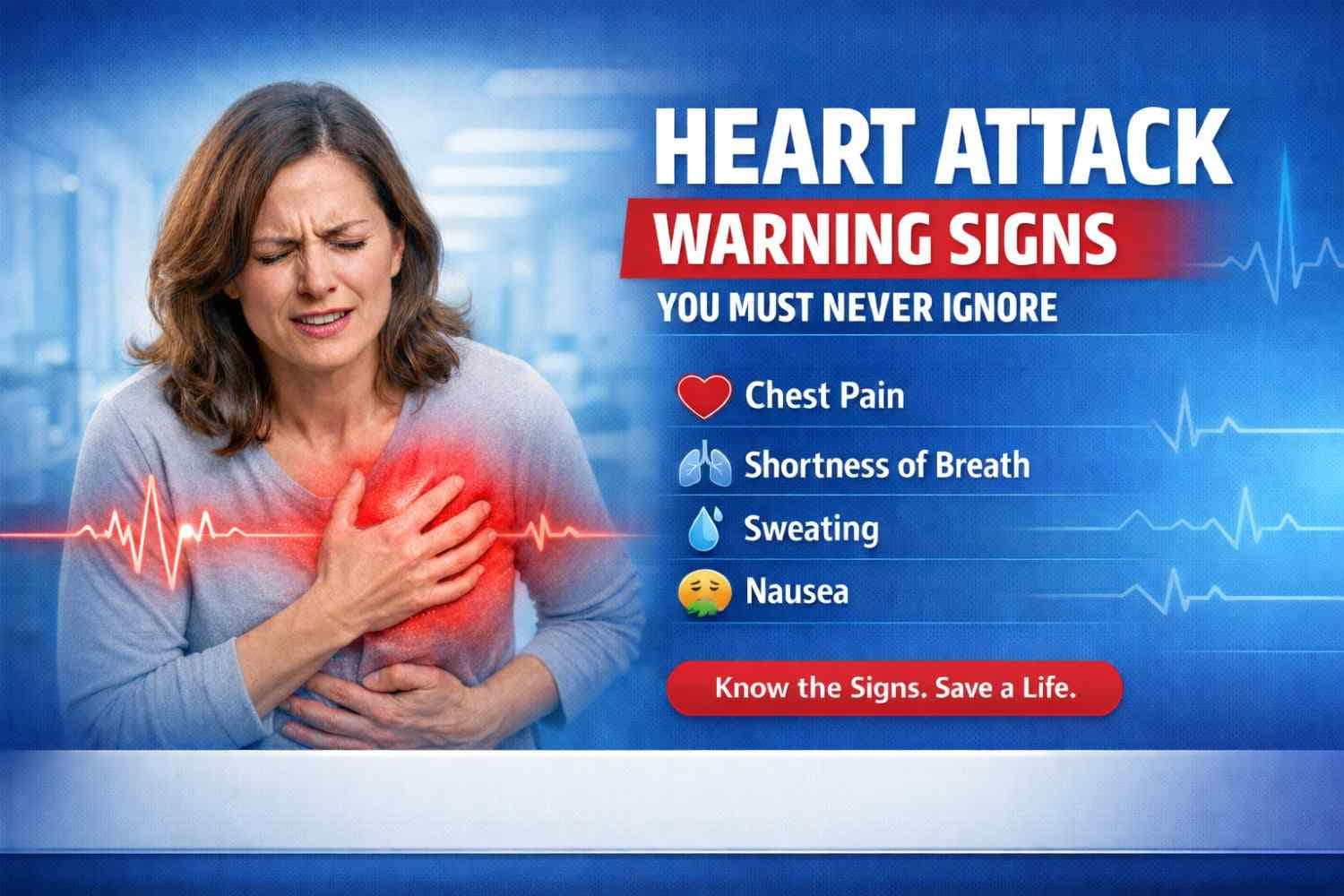
Heart Attack Warning Signs You Must Never Ignore
Recognizing heart attack symptoms early can save your life. Learn the critical warning signs from Dr. Amit Kumar Singh, Senior Interventional Cardiologist at Jigyasa Hospital, Moradabad. Call 7900903333.
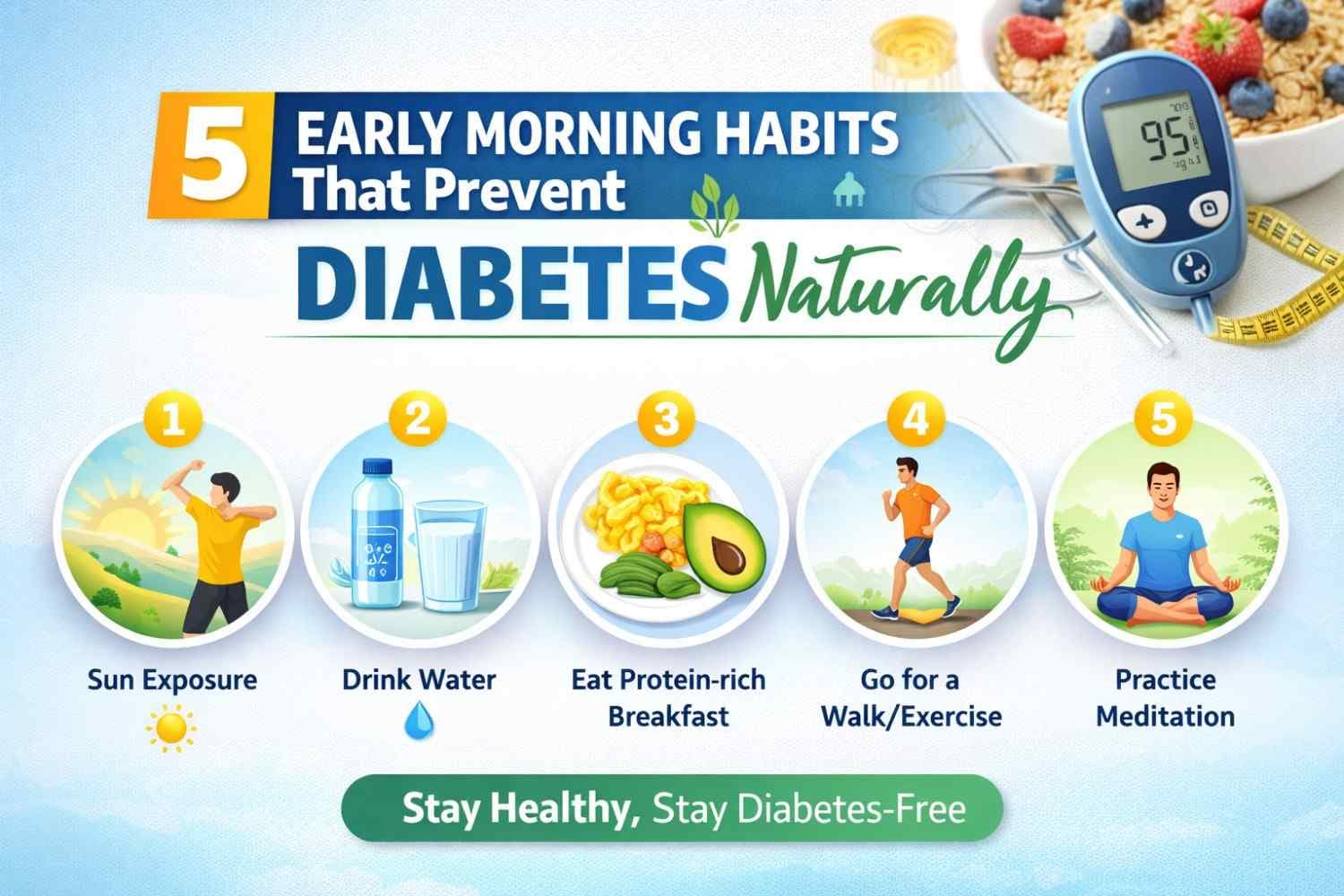
5 Early Morning Habits That Prevent Diabetes Naturally
Discover 5 powerful morning habits that naturally prevent diabetes. Expert advice from Dr. C.P. Singh, Senior Consultant Physician at Jigyasa Hospital, Moradabad. Call 7900903333.
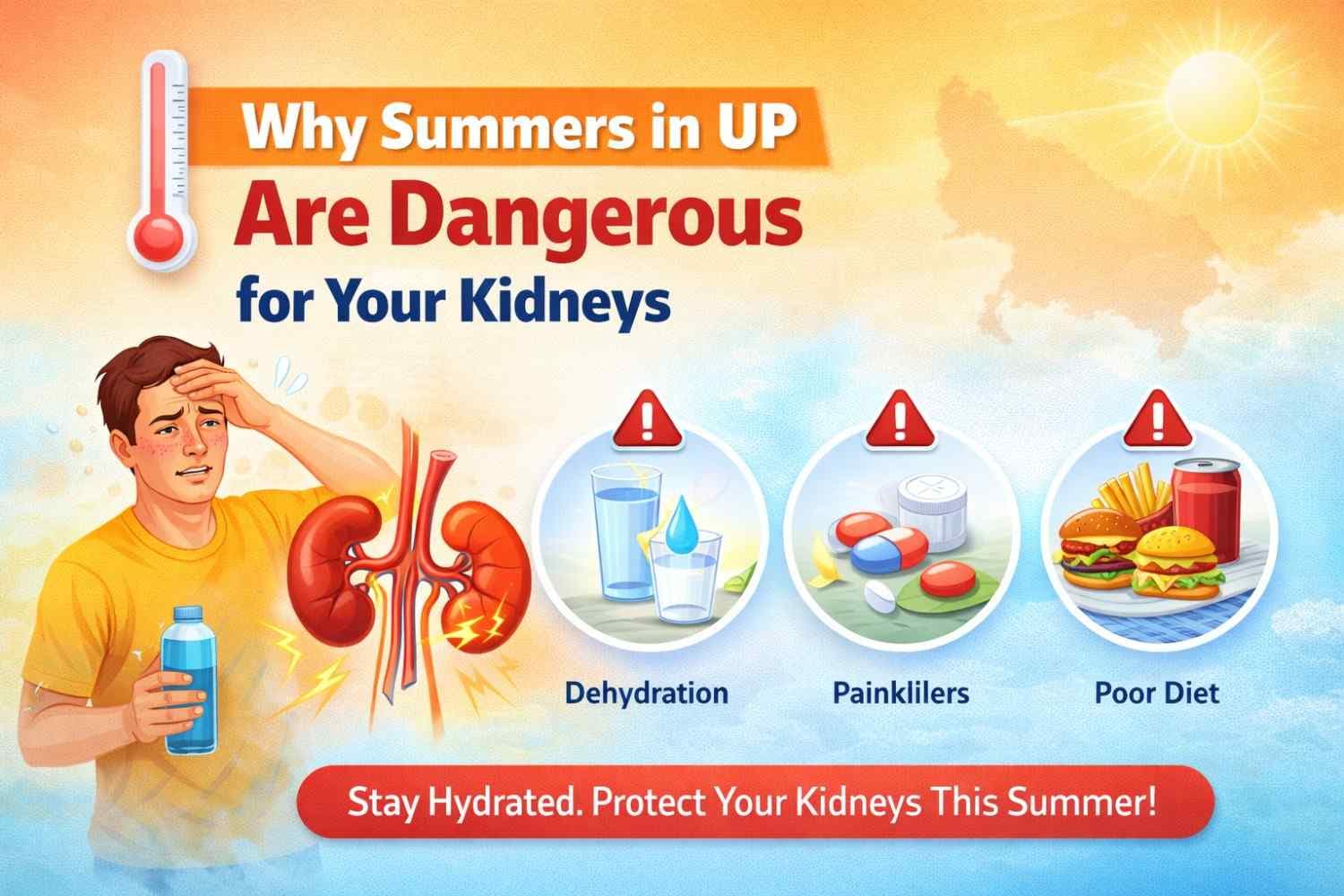
Why Summers in UP Are Dangerous for Your Kidneys
UP summers can silently damage your kidneys. Jigyasa Hospital Moradabad explains the hidden risks, warning signs, and how to protect your kidneys this season. Call 7900903333.