

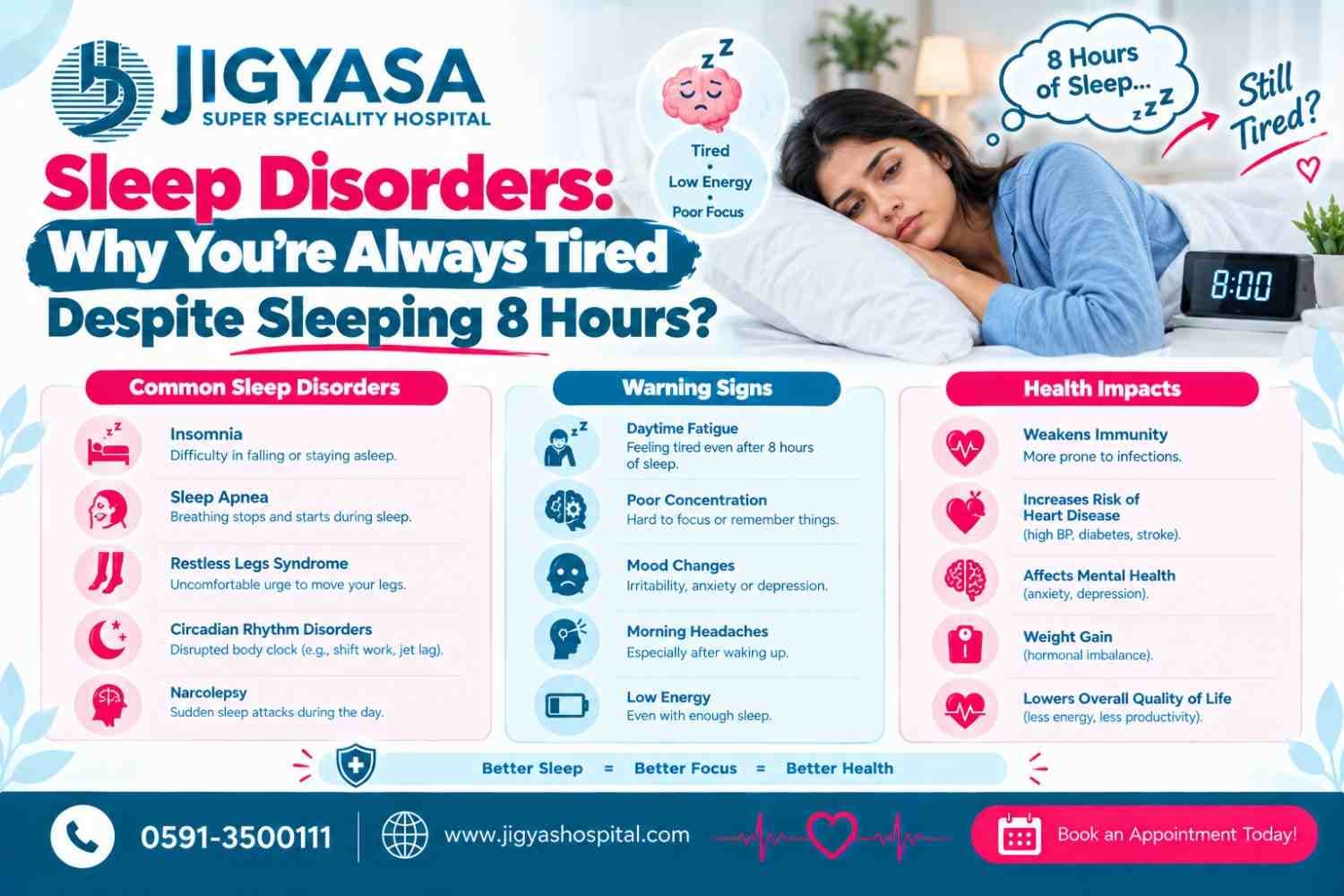
Sleep Disorders: Why You're Always Tired Despite Sleeping 8 Hours
Sleeping 8 hours but still exhausted? Learn about sleep apnea, insomnia, and other hidden causes, with guidance from Dr. C.P. Singh, Jigyasa Hospital, Moradabad.
You go to bed on time, spend a full eight hours in bed, and still wake up feeling as though you never slept. By mid-afternoon your eyes are heavy, concentration slips, and you rely on endless cups of tea or coffee to get through the day. Many people assume this is just stress or a busy life, but persistent tiredness despite adequate time in bed is often a sign that sleep quality, not sleep quantity, is the problem. At Jigyasa Hospital, Moradabad, Dr. C.P. Singh, Founder and Chairman, regularly meets patients whose fatigue turns out to have a treatable cause, ranging from sleep disorders to thyroid problems, anemia, and diabetes.
Sleep Quantity vs Sleep Quality
Time in bed is not the same as restorative sleep. Healthy sleep moves through cycles of light sleep, deep sleep, and REM (dream) sleep, and each stage does different work for the body and brain. Anything that fragments sleep or prevents deep sleep, even without fully waking you, can leave you unrefreshed. Many people with sleep disorders have no memory of waking during the night, which is why they are often surprised by the diagnosis.
Sleep Disorders That Cause Daytime Tiredness
1. Obstructive Sleep Apnea (OSA)
In OSA, the throat muscles relax during sleep and the airway repeatedly narrows or closes, briefly stopping breathing. Each episode drops oxygen levels and triggers a partial awakening, sometimes dozens of times an hour.
Common signs:
- •Loud, habitual snoring, often noticed first by a partner
- •Gasping, choking, or snorting during sleep
- •Witnessed pauses in breathing
- •Morning headaches and dry mouth
- •Heavy daytime sleepiness, even after a full night
- •Waking to urinate frequently at night
- •Irritability, poor concentration, and low mood
Higher risk in people who: are overweight, have a thick neck, are older, are male (though women are affected, especially after menopause), have high blood pressure, or have a family history.
Untreated sleep apnea is not just a nuisance. It is linked with high blood pressure, heart rhythm problems, heart disease, stroke, diabetes, and accidents from drowsiness.
2. Insomnia
Difficulty falling asleep, staying asleep, or waking too early, with daytime consequences. It may be short-term, triggered by stress, or chronic, lasting three months or more. Anxiety, depression, irregular schedules, caffeine, and screen use commonly contribute.
3. Restless Legs Syndrome (RLS)
An uncomfortable urge to move the legs, usually in the evening or at night, relieved temporarily by movement. It can delay sleep onset and fragment sleep. Iron deficiency is a common, treatable contributor.
4. Periodic Limb Movements
Repeated jerking of the legs during sleep, which may not wake you fully but disrupts sleep quality.
5. Circadian Rhythm Problems
Shift work, late-night screen use, irregular sleep timing, and frequent travel can put the body clock out of step with the day, leaving you tired even when total hours look adequate.
6. Narcolepsy and Other Excessive Sleepiness Disorders
Less common, these cause overwhelming daytime sleepiness, sometimes with sudden sleep attacks. They need specialist evaluation.
Medical Conditions That Mimic Sleep Disorders
Persistent tiredness frequently has non-sleep causes, which is why a proper medical check matters:
- •Anemia, especially iron deficiency, which is common in Indian women
- •Underactive thyroid, which slows metabolism and causes fatigue and sluggishness
- •Diabetes or high blood sugar, which causes tiredness and frequent night-time urination
- •Vitamin deficiencies, including vitamin D and B12
- •Depression and anxiety, which commonly affect both sleep and energy
- •Heart, lung, kidney, or liver disease
- •Chronic infections or inflammatory conditions
- •Medication side effects, including some blood pressure medicines, antihistamines, and sedatives
- •Pain conditions that disturb sleep
Everyday Habits That Quietly Damage Sleep
- •Using phones, tablets, or television in bed, since light and stimulation delay sleep
- •Caffeine in the afternoon or evening
- •Alcohol before bed, which may help you fall asleep but fragments sleep later in the night
- •Heavy or late meals close to bedtime
- •Irregular bedtimes and wake times, including large weekend shifts
- •A noisy, bright, or too-warm bedroom
- •Long or late-afternoon naps
- •Working or worrying in bed, which trains the brain to associate bed with alertness
- •Little daytime physical activity or sunlight exposure
When to See a Doctor
Seek evaluation if you:
- •Feel unrefreshed or sleepy through the day for more than a few weeks
- •Snore loudly, or someone has noticed you stop breathing or gasp during sleep
- •Wake with morning headaches or a dry mouth regularly
- •Fall asleep unintentionally during the day, such as while working or driving
- •Have difficulty sleeping on most nights for over three months
- •Have unusual movements, leg discomfort, or other symptoms interfering with sleep
- •Have tiredness along with weight changes, mood changes, breathlessness, or swelling
Drowsy driving is dangerous. If you struggle to stay awake while driving, avoid driving and get evaluated promptly.
How Persistent Tiredness Is Evaluated at Jigyasa Hospital
At Jigyasa Hospital, Dr. C.P. Singh's evaluation typically includes:
1. Detailed Sleep and Health History
Bedtime, wake time, snoring, awakenings, daytime sleepiness, caffeine and alcohol use, medicines, work schedule, mood, and a partner's observations where available.
2. Physical Examination
Weight and BMI, neck circumference, blood pressure, throat and nasal examination, and a check of heart, lungs, and thyroid.
3. Blood Tests for Common Causes
Typically including hemoglobin and iron markers, thyroid function, blood sugar and HbA1c, vitamin levels, and kidney and liver function, depending on the clinical picture.
4. Screening Questionnaires
Simple tools that estimate sleepiness and sleep apnea risk.
5. Heart and Related Assessment When Needed
ECG or further evaluation if symptoms suggest a heart or blood pressure problem.
6. Referral for Specialised Sleep Testing
When sleep apnea or another sleep disorder is suspected, a formal sleep study is the confirming test. Patients are guided toward appropriate specialised sleep testing, and treatment is coordinated based on the results.
Treatment Approaches
For Sleep Apnea
- •Weight loss if overweight, which can substantially reduce severity
- •Avoiding alcohol and sedatives near bedtime
- •Sleeping on the side rather than the back
- •Positive airway pressure therapy (CPAP), the main treatment for moderate to severe cases
- •Oral devices or surgical options in selected people, after specialist assessment
- •Managing associated conditions such as high blood pressure and diabetes
For Insomnia
- •Cognitive behavioural therapy for insomnia (CBT-I), the recommended first-line treatment
- •Consistent sleep and wake times
- •Treating underlying anxiety, depression, or pain
- •Short-term medicines only when advised by a doctor, since long-term sleeping pills carry risks of dependence
For Restless Legs
- •Checking and correcting iron levels
- •Reducing caffeine and alcohol
- •Medicines in persistent or severe cases, under medical supervision
For Medical Causes
- •Iron or vitamin replacement for deficiencies
- •Thyroid hormone replacement for an underactive thyroid
- •Optimising diabetes control
- •Reviewing medicines that may contribute to tiredness
Sleep Medicine Care at Jigyasa Hospital, Moradabad
- •Comprehensive evaluation for persistent fatigue and sleep disorders
- •Sleep apnea screening with questionnaires and physical assessment
- •Blood tests for anemia, thyroid, diabetes, and vitamin deficiencies
- •Referral and coordination for formal sleep studies when needed
Book an Appointment: 7900903333
Address: Near Miglani Cinema, Rampur Road, Moradabad – 244001
Online Appointments: jigyasahospital.com
Sleep Medicine | Sleep Apnea Screening | Fatigue Evaluation | Internal Medicine | Ayushman Bharat Accepted
Key Takeaways
- •8 hours in bed doesn't guarantee restorative sleep — sleep quality (deep sleep, uninterrupted cycles) matters as much as quantity.
- •Sleep apnea is a leading hidden cause: loud snoring, gasping, witnessed breathing pauses, morning headaches, heavy daytime sleepiness.
- •Other causes: insomnia, restless legs (iron deficiency), circadian rhythm disruption, anemia, thyroid problems, diabetes, vitamin deficiencies.
- •Sleep-damaging habits: screens in bed, evening caffeine, alcohol, irregular schedules, heavy late meals, poor sleep environment.
- •Seek evaluation if tired for weeks, loud snoring with gasping, falling asleep during day, or drowsy driving — sleep apnea raises risk of BP, heart disease, stroke, and diabetes.
Frequently Asked Questions
How many hours of sleep do adults actually need?
Most adults need about seven to nine hours, though quality matters as much as quantity. Needing far more than usual and still feeling tired is itself a reason to get evaluated.
Is snoring always a sign of sleep apnea?
No, many people snore without apnea. But loud, frequent snoring with gasping, witnessed breathing pauses, or heavy daytime sleepiness should be checked.
Can anemia or thyroid problems really cause tiredness despite good sleep?
Yes, both are common causes of persistent fatigue and are easily tested for with blood tests.
Do I need a sleep study?
If your doctor suspects sleep apnea or another sleep disorder after assessment, a sleep study is the confirming test. Many people with fatigue instead have a treatable medical cause found through simple blood tests.
Is it normal to feel tired in the afternoon?
A mild dip after lunch is normal. Overwhelming sleepiness that interferes with work or safety, or occurs daily despite adequate nights, is not, and deserves evaluation.
Related Articles

Heart Attack Warning Signs You Must Never Ignore
Recognizing heart attack symptoms early can save your life. Learn the critical warning signs from Dr. Amit Kumar Singh, Senior Interventional Cardiologist at Jigyasa Hospital, Moradabad. Call 7900903333.
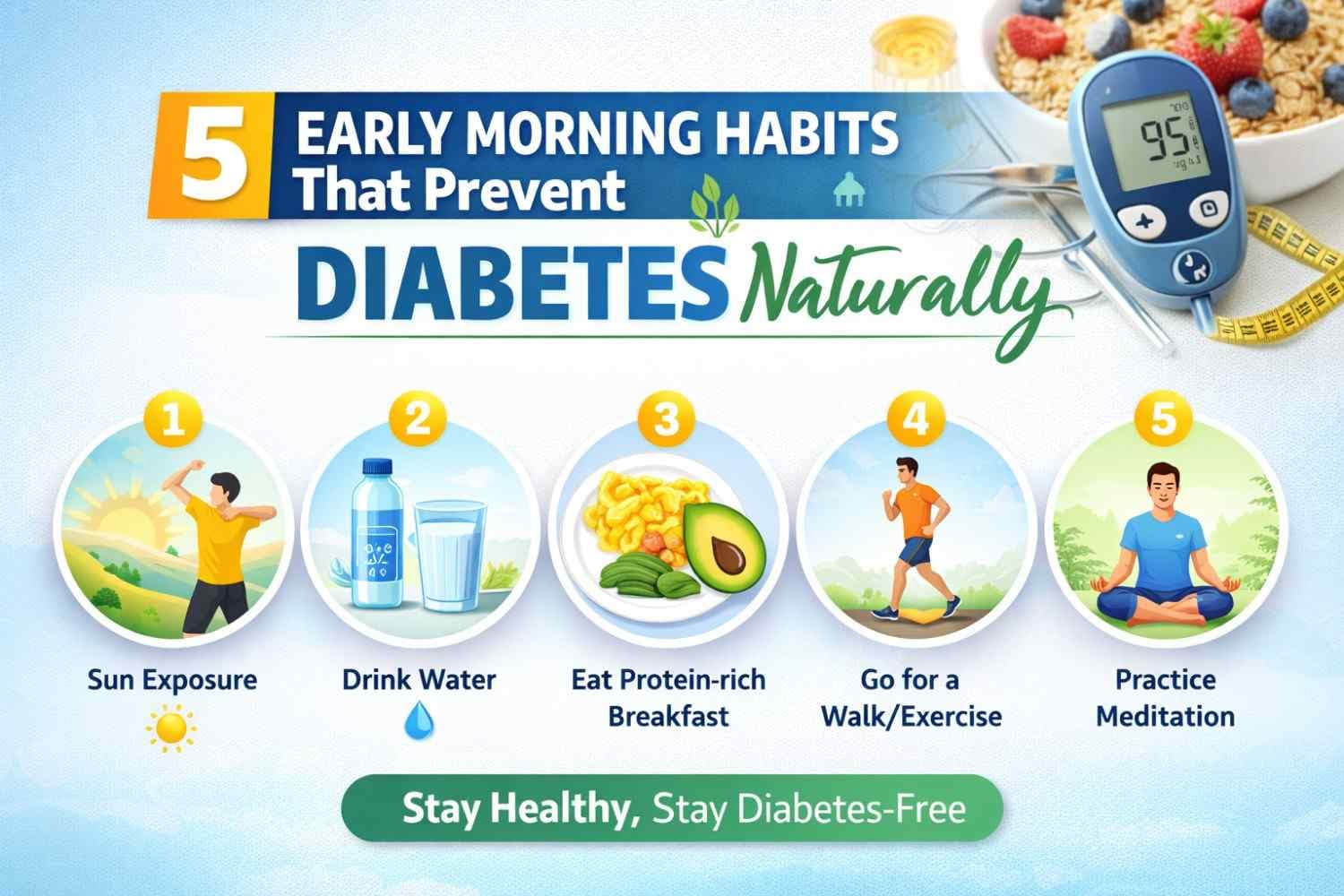
5 Early Morning Habits That Prevent Diabetes Naturally
Discover 5 powerful morning habits that naturally prevent diabetes. Expert advice from Dr. C.P. Singh, Senior Consultant Physician at Jigyasa Hospital, Moradabad. Call 7900903333.

Why Summers in UP Are Dangerous for Your Kidneys
UP summers can silently damage your kidneys. Jigyasa Hospital Moradabad explains the hidden risks, warning signs, and how to protect your kidneys this season. Call 7900903333.