

Why the First 4 Hours After a Stroke Are Critical (The Golden Hour)
Stroke treatment is a race against time. Learn why the first few hours after a stroke are critical for recovery.
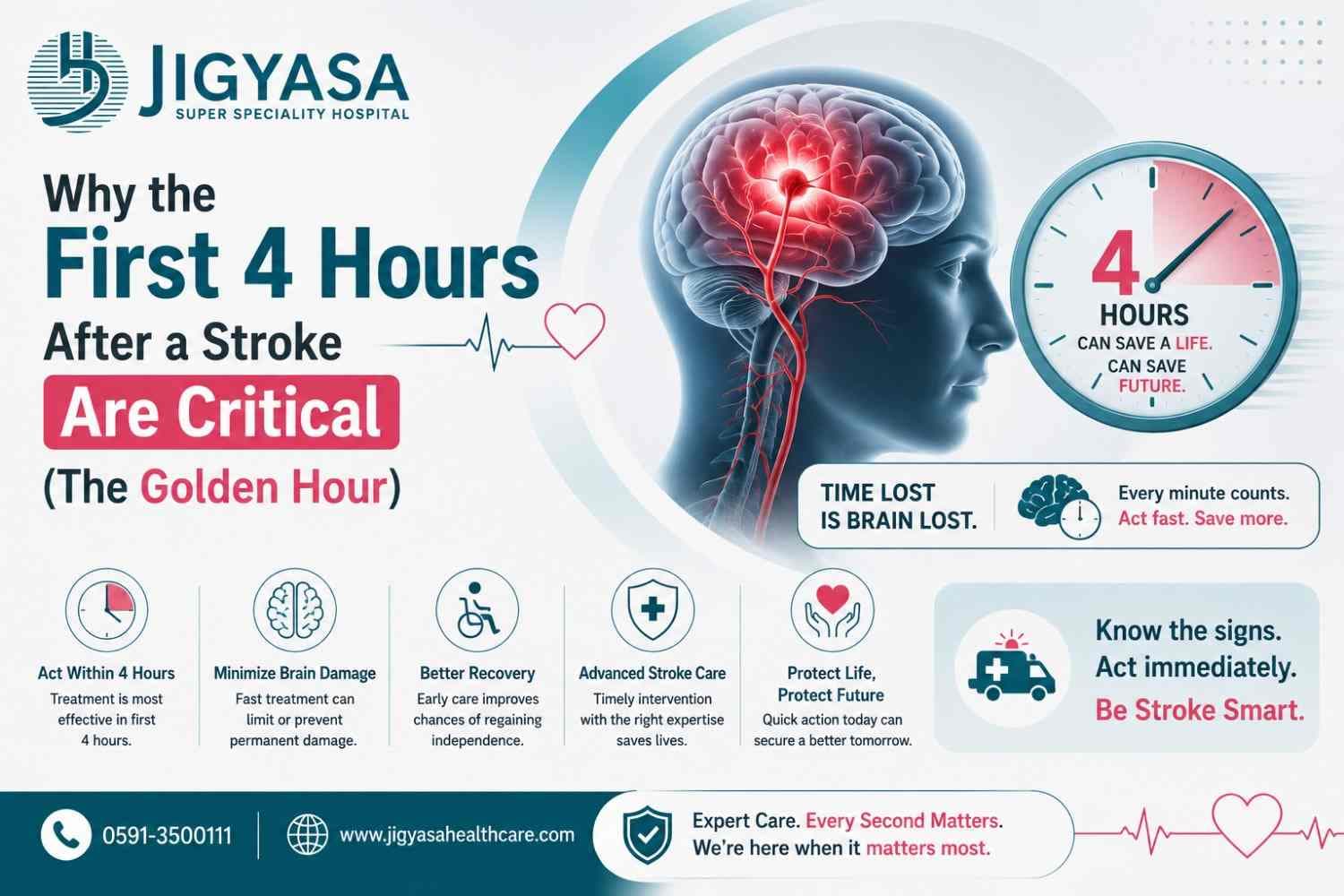
A stroke occurs when blood supply to part of the brain is interrupted, either due to a blocked blood vessel (ischemic stroke, the most common type) or a ruptured blood vessel causing bleeding into or around the brain (hemorrhagic stroke). Without a steady supply of oxygen and glucose, brain cells in the affected area begin to die within minutes. What makes stroke particularly time-sensitive is that the damage isn't instantaneous across the entire affected region. There's often a core area where cell death happens rapidly, surrounded by a larger zone of at-risk but still salvageable brain tissue — sometimes called the "ischemic penumbra." This surrounding tissue can potentially be saved if blood flow is restored quickly, which is exactly why urgent treatment matters so much.
What Happens in the Brain During a Stroke?
A stroke occurs when blood supply to part of the brain is interrupted, either due to a blocked blood vessel (ischemic stroke, the most common type) or a ruptured blood vessel causing bleeding into or around the brain (hemorrhagic stroke). Without a steady supply of oxygen and glucose, brain cells in the affected area begin to die within minutes.
What makes stroke particularly time-sensitive is that the damage isn't instantaneous across the entire affected region. There's often a core area where cell death happens rapidly, surrounded by a larger zone of at-risk but still salvageable brain tissue — sometimes called the "ischemic penumbra." This surrounding tissue can potentially be saved if blood flow is restored quickly, which is exactly why urgent treatment matters so much.
Why Is It Called the "Golden Hour" or "Golden Window"?
The concept of a golden window refers to the limited timeframe during which certain stroke treatments are most effective — and in many cases, can only be safely administered at all. For ischemic strokes, clot-dissolving medication is generally most effective when given within a few hours of symptom onset, with effectiveness and safety declining as time passes. Beyond this window, the risks of certain treatments can outweigh the benefits, and some options may no longer be available at all.
This is why stroke is treated as a true medical emergency, on par with a heart attack — every minute of delay can mean more permanent brain damage and a harder road to recovery.
Recognizing Stroke Symptoms: Act FAST
Because rapid recognition is so critical, doctors use a simple, memorable framework to help people identify stroke symptoms immediately:
F — Face Drooping
One side of the face may droop or feel numb. Ask the person to smile — an uneven smile is a warning sign.
A — Arm Weakness
One arm may feel weak or numb. Ask the person to raise both arms — if one arm drifts downward, this is significant.
S — Speech Difficulty
Speech may become slurred, or the person may have difficulty speaking or understanding simple sentences. Ask them to repeat a simple phrase.
T — Time to Call for Help
If any of these signs are present, even if they seem to resolve, it's time to seek emergency medical care immediately — noting the exact time symptoms started, as this information is critical for treatment decisions.
Other Stroke Symptoms to Watch For
- •Sudden numbness or weakness in the leg, particularly on one side of the body
- •Sudden confusion or difficulty understanding speech
- •Sudden trouble seeing in one or both eyes
- •Sudden severe headache with no known cause
- •Sudden dizziness, loss of balance, or difficulty walking
A key feature of stroke symptoms is their sudden onset — they typically appear abruptly, rather than developing gradually over days, which helps distinguish stroke from many other conditions.
Why Every Minute Truly Counts
Brain cell loss is rapid and cumulative. During an ischemic stroke, brain tissue is estimated to lose millions of neurons for every minute that treatment is delayed. This is why "time is brain" isn't just a slogan — it reflects a measurable, ongoing process of tissue damage that continues until blood flow is restored.
Treatment options are time-dependent. Clot-dissolving medication for ischemic stroke has a defined treatment window from symptom onset, and in some cases, additional procedures to physically remove a clot may extend treatment options further — but both are far more effective, and safer, the sooner they're administered.
Outcomes are directly linked to treatment speed. Patients treated within the critical window are significantly more likely to recover with reduced or minimal long-term disability compared to those treated after the window has closed.
Why People Delay Seeking Care — And Why That's Dangerous
- •Mistaking symptoms for something less serious, such as tiredness, a migraine, or "just weakness"
- •Waiting to see if symptoms improve on their own, especially when they seem to lessen temporarily
- •Uncertainty about which hospital to go to, or a delay in arranging transport
- •Family members not recognizing the symptoms as an emergency
- •The person affected being unable to communicate clearly due to the stroke itself, leaving recognition to those around them
Any delay — even one caused by "waiting to see" — directly reduces the treatment options available and worsens the likely outcome.
What to Do If You Suspect a Stroke
- •1. Note the exact time symptoms started. This information is essential for the treating doctors to determine which treatments are safely possible.
- •2. Call for emergency transport immediately rather than waiting or attempting to drive the person yourself, if possible, since emergency medical services can begin initial assessment en route.
- •3. Do not give the person food, water, or medication, as swallowing difficulties are common with stroke and can lead to choking.
- •4. Keep the person safe and calm while waiting for help, monitoring their breathing and responsiveness.
- •5. Go directly to a hospital equipped for emergency stroke care, rather than a smaller facility that may need to transfer the patient, which costs valuable time.
How Jigyasa Hospital Approaches Stroke Emergencies
At Jigyasa Hospital, Moradabad, our 24/7 emergency care team is structured to rapidly assess and triage suspected stroke patients on arrival. Dr. C.P. Singh emphasizes a coordinated approach — immediate clinical evaluation, rapid brain imaging to distinguish between ischemic and hemorrhagic stroke (a critical distinction, since treatments for the two differ significantly), and prompt initiation of appropriate treatment based on the type and timing of the stroke.
Because hemorrhagic strokes are treated very differently from ischemic strokes, accurate and fast diagnosis is just as important as speed itself — treatment cannot begin safely until the type of stroke is confirmed through imaging.
Life After Stroke: Why Time Also Affects Long-Term Recovery
The amount of brain tissue that survives a stroke has a direct relationship with the extent of long-term disability a patient may face — affecting speech, movement, memory, and independence. Patients treated within the critical time window are more likely to require less intensive rehabilitation and regain function more fully, while delayed treatment often results in more extensive and prolonged rehabilitation needs, or permanent disability in some cases.
This is why stroke awareness campaigns worldwide emphasize the same message: recognizing symptoms and acting immediately isn't just about survival — it's about preserving quality of life afterward.
Risk Factors for Stroke
- •High blood pressure, the single most significant modifiable risk factor
- •Diabetes
- •High cholesterol
- •Smoking
- •Atrial fibrillation and other heart rhythm disorders
- •Obesity and sedentary lifestyle
- •Family history of stroke
- •Prior history of stroke or transient ischemic attack ("mini-stroke")
Managing these risk factors through regular check-ups, medication adherence, and lifestyle changes remains the most effective way to reduce stroke risk in the first place.
Emergency Care at Jigyasa Hospital, Moradabad
- •24/7 emergency stroke care with rapid triage and assessment
- •Immediate brain imaging (CT/MRI) to distinguish stroke type
- •Expert neurology care under Dr. C.P. Singh
- •Comprehensive stroke rehabilitation and follow-up services
Key Takeaways
- •Stroke is a time-critical emergency — every minute of delay means more brain cell loss and worse outcomes.
- •The "Golden Hour" refers to the limited window when clot-dissolving treatments are most effective and safest.
- •Use FAST (Face, Arms, Speech, Time) to recognize stroke symptoms and act immediately.
- •Don't wait to see if symptoms improve — even temporary symptoms require emergency evaluation.
- •Rapid treatment within the critical window significantly improves recovery and reduces long-term disability.
Frequently Asked Questions
What is a "mini-stroke," and should it be taken seriously?
A transient ischemic attack (TIA), often called a mini-stroke, produces stroke-like symptoms that resolve on their own, usually within minutes to a few hours. It should never be ignored, as it's a strong warning sign that a full stroke may follow, and requires prompt medical evaluation.
Can young people have strokes, or is it only a concern for the elderly?
While stroke risk increases with age, it can occur at any age, particularly in the presence of risk factors like high blood pressure, diabetes, smoking, or certain heart conditions.
If stroke symptoms go away on their own, is it still an emergency?
Yes. Even if symptoms resolve, this could represent a TIA, which significantly raises the risk of a subsequent full stroke. It should be evaluated immediately, not dismissed as a resolved issue.
Why can't all stroke patients receive the same treatment?
Treatment depends heavily on the type of stroke (ischemic vs. hemorrhagic), the exact time since symptom onset, and the patient's overall health — which is why rapid, accurate diagnosis through imaging is essential before treatment begins.
How quickly should someone with stroke symptoms reach a hospital?
As immediately as possible. Since certain treatments have strict time windows from symptom onset, every minute of delay can reduce the range of treatment options available and affect long-term recovery.
Related Articles
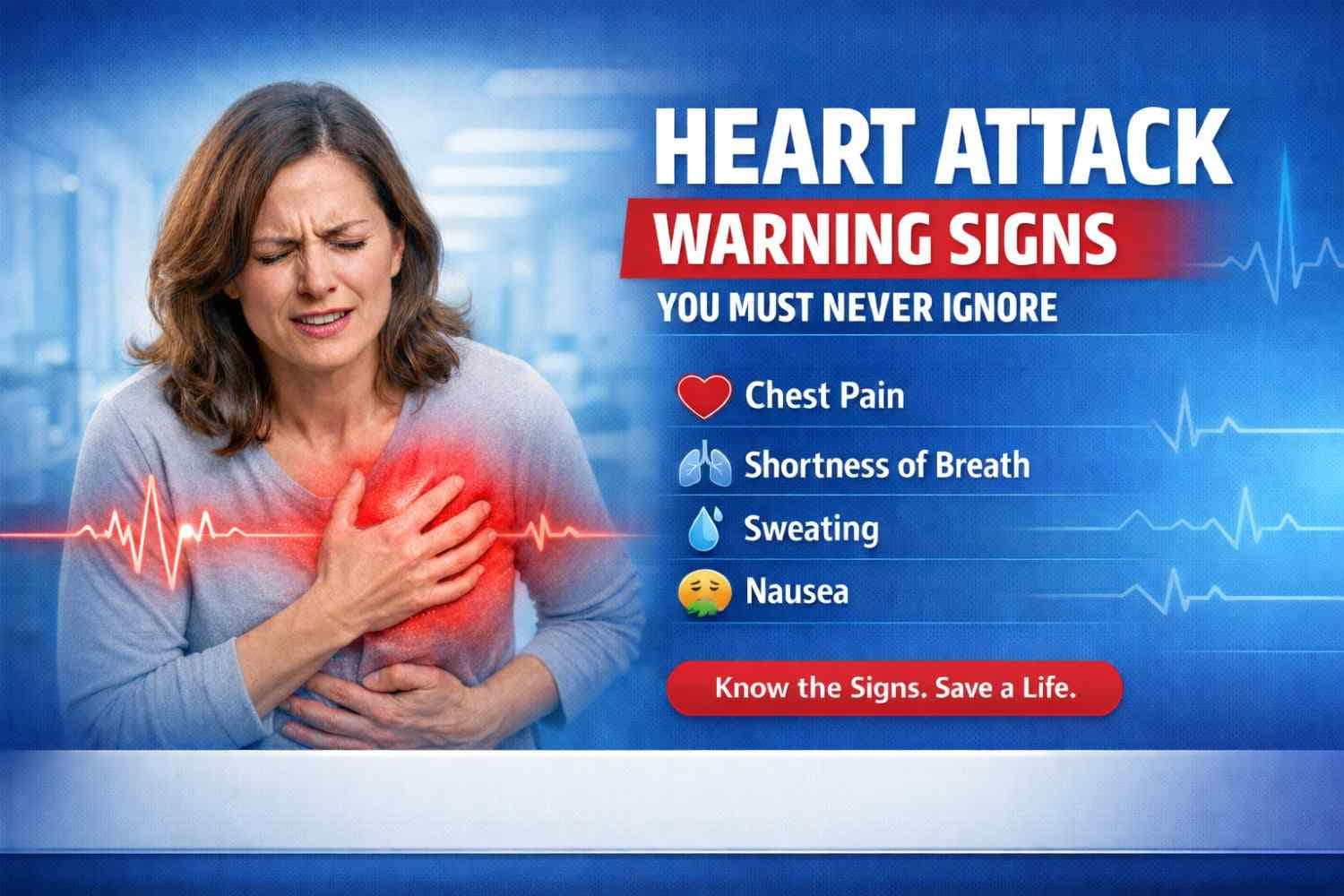
Heart Attack Warning Signs You Must Never Ignore
Recognizing heart attack symptoms early can save your life. Learn the critical warning signs from Dr. Amit Kumar Singh, Senior Interventional Cardiologist at Jigyasa Hospital, Moradabad. Call 7900903333.
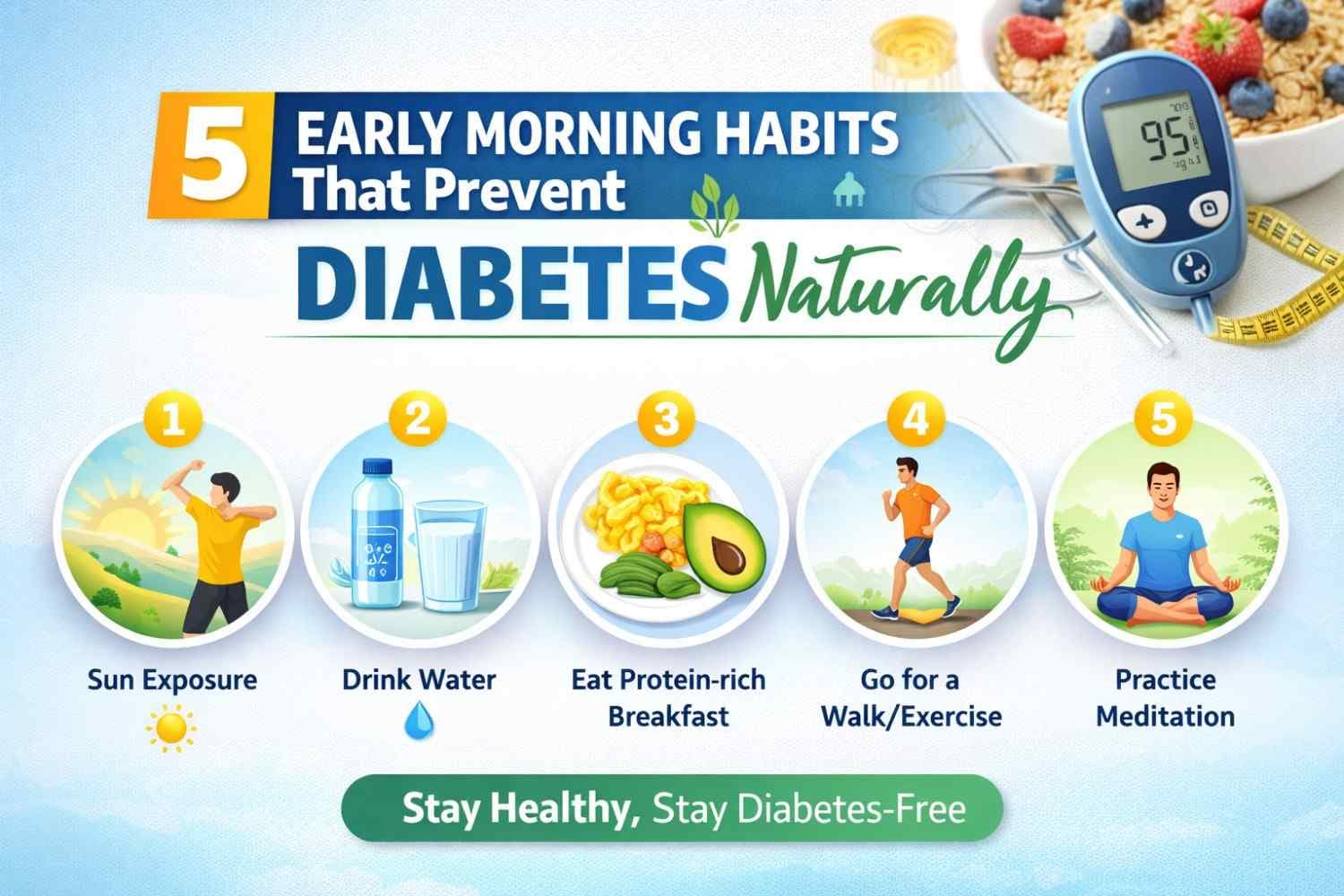
5 Early Morning Habits That Prevent Diabetes Naturally
Discover 5 powerful morning habits that naturally prevent diabetes. Expert advice from Dr. C.P. Singh, Senior Consultant Physician at Jigyasa Hospital, Moradabad. Call 7900903333.
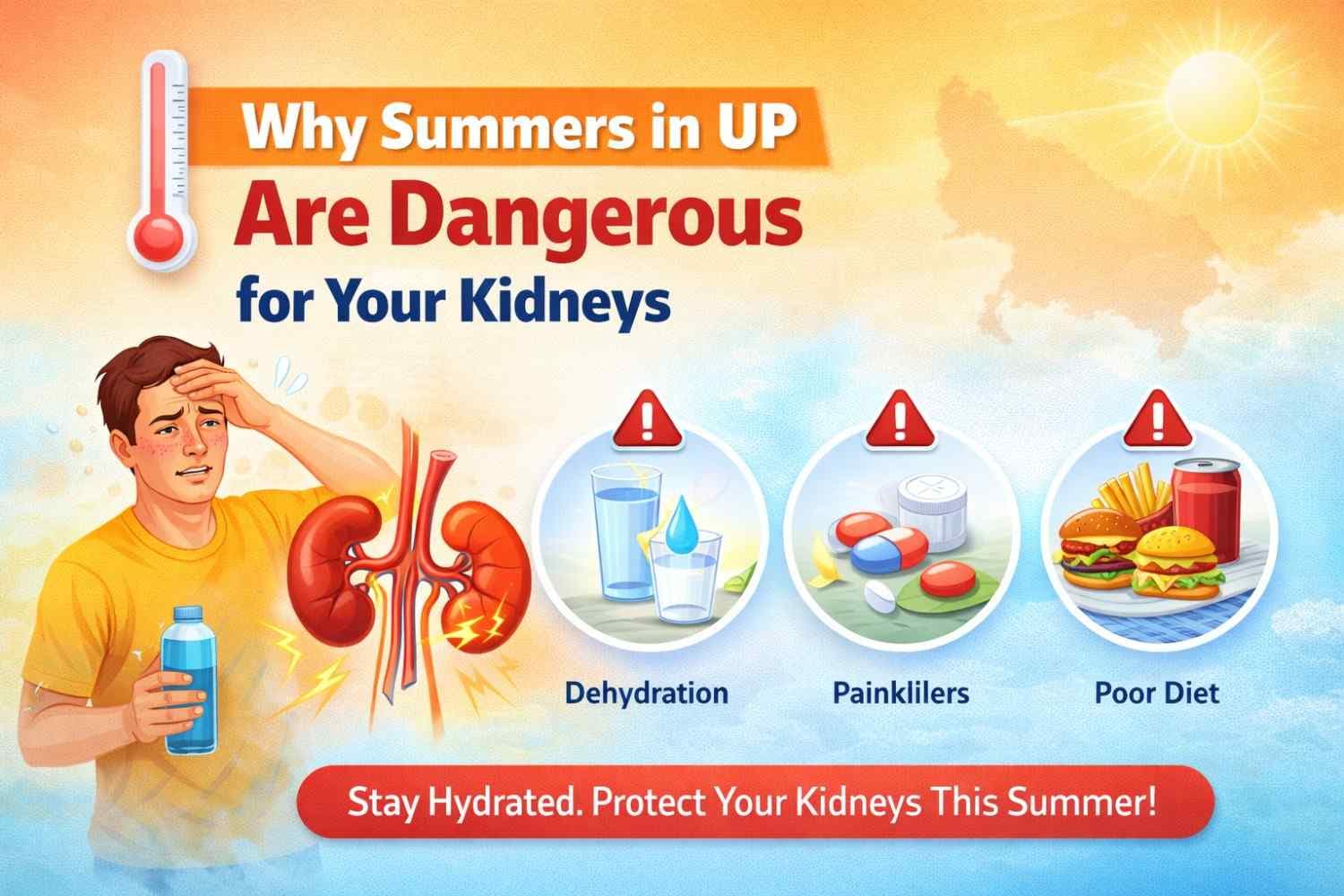
Why Summers in UP Are Dangerous for Your Kidneys
UP summers can silently damage your kidneys. Jigyasa Hospital Moradabad explains the hidden risks, warning signs, and how to protect your kidneys this season. Call 7900903333.