

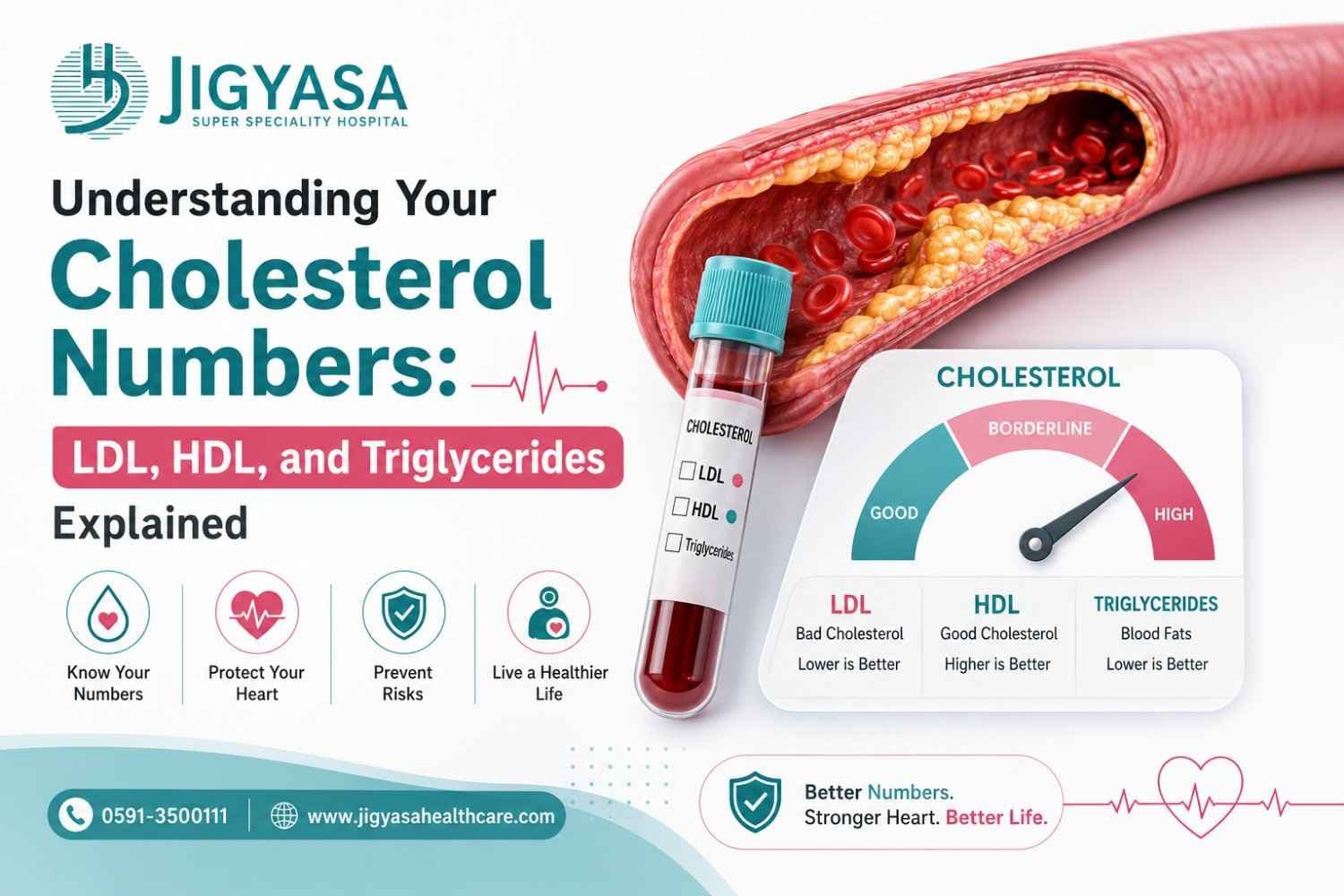
Understanding Your Cholesterol Numbers: LDL, HDL, and Triglycerides Explained
Confused by your lipid profile report? Learn what LDL, HDL, and triglycerides mean, healthy ranges, and how to manage cholesterol.
Cholesterol is a waxy, fat-like substance that your body needs for building cells, producing hormones, and making vitamin D. Your liver produces most of the cholesterol your body needs, while the rest comes from the food you eat. Cholesterol doesn't dissolve in blood on its own, so it's transported through your bloodstream attached to proteins, forming particles called lipoproteins. The type of lipoprotein carrying the cholesterol determines whether it's helpful or harmful to your cardiovascular health — which is exactly why your report breaks cholesterol down into different categories rather than giving you just one number.
What Is Cholesterol, and Why Does It Matter?
Cholesterol is a waxy, fat-like substance that your body needs for building cells, producing hormones, and making vitamin D. Your liver produces most of the cholesterol your body needs, while the rest comes from the food you eat.
Cholesterol doesn't dissolve in blood on its own, so it's transported through your bloodstream attached to proteins, forming particles called lipoproteins. The type of lipoprotein carrying the cholesterol determines whether it's helpful or harmful to your cardiovascular health — which is exactly why your report breaks cholesterol down into different categories rather than giving you just one number.
Breaking Down Your Lipid Profile
LDL Cholesterol — The "Bad" Cholesterol
LDL stands for low-density lipoprotein. It carries cholesterol from the liver to cells throughout the body, but when there's too much LDL circulating, it can build up in the walls of your arteries, forming plaques. Over time, this process — called atherosclerosis — narrows and stiffens the arteries, restricting blood flow and significantly raising the risk of heart attack and stroke.
General reference ranges for LDL:
- •Optimal: Below 100 mg/dL
- •Near optimal: 100–129 mg/dL
- •Borderline high: 130–159 mg/dL
- •High: 160–189 mg/dL
- •Very high: 190 mg/dL and above
Your ideal LDL target may be lower if you already have heart disease, diabetes, or multiple risk factors — which is why your cardiologist personalizes targets rather than applying a single number to everyone.
HDL Cholesterol — The "Good" Cholesterol
HDL, or high-density lipoprotein, works in the opposite direction — it helps remove excess cholesterol from your bloodstream and arteries, carrying it back to the liver for disposal. Higher HDL levels are generally protective against heart disease, which is why, unlike LDL, you actually want this number to be higher.
General reference ranges for HDL:
- •Low (higher risk): Below 40 mg/dL in men, below 50 mg/dL in women
- •Better: 40–59 mg/dL
- •Protective: 60 mg/dL and above
Triglycerides — Your Body's Stored Fat
Triglycerides are a different type of fat found in your blood. When you eat, your body converts any calories it doesn't immediately need into triglycerides, storing them in fat cells for later energy use. High triglyceride levels are often linked to excess calorie intake, high sugar and refined carbohydrate consumption, obesity, and poorly controlled diabetes, and are associated with increased cardiovascular risk, particularly when combined with high LDL or low HDL.
General reference ranges for triglycerides:
- •Normal: Below 150 mg/dL
- •Borderline high: 150–199 mg/dL
- •High: 200–499 mg/dL
- •Very high: 500 mg/dL and above
Total Cholesterol
This is simply the sum of your LDL, HDL, and a portion of your triglycerides. While it gives a general overview, total cholesterol alone can be misleading — a person with high HDL and low LDL can have a similar total cholesterol number to someone with the opposite, riskier pattern. This is why your cardiologist looks at the individual components, not just the total.
Why the Balance Between Numbers Matters More Than Any Single Value
A common misunderstanding is focusing only on total cholesterol. In reality, the relationship between LDL, HDL, and triglycerides tells a more accurate story. For example:
- •A person with borderline-high LDL but very high HDL may have a more favorable risk profile than someone with normal LDL but very low HDL and high triglycerides.
- •The ratio of total cholesterol to HDL is sometimes used as an additional marker of cardiovascular risk.
- •Triglycerides combined with low HDL and slightly elevated LDL often indicate a pattern associated with insulin resistance and metabolic syndrome, which independently raises heart disease risk.
This is why interpreting a lipid profile requires clinical context — your age, family history, blood pressure, blood sugar status, and existing heart conditions all influence what your "ideal" numbers should actually be.
What Causes Abnormal Cholesterol Levels?
- •Diet high in saturated fats, trans fats, and refined sugars
- •Sedentary lifestyle with minimal physical activity
- •Obesity, particularly excess abdominal fat
- •Diabetes and insulin resistance
- •Genetics — some individuals have a hereditary tendency toward high cholesterol (familial hypercholesterolemia) regardless of lifestyle
- •Smoking, which lowers HDL and damages artery walls
- •Excessive alcohol consumption, which can raise triglycerides
- •Certain medical conditions, such as hypothyroidism and kidney disease
- •Age, since cholesterol levels tend to rise naturally with age
How Cholesterol Numbers Relate to Heart Disease Risk
Elevated LDL and triglycerides, combined with low HDL, contribute directly to atherosclerosis — the gradual buildup of plaque inside artery walls. As plaques grow, they narrow the arteries, restricting blood flow to the heart muscle. In some cases, a plaque can rupture, triggering a blood clot that suddenly blocks the artery entirely — a leading cause of heart attacks.
This is why cholesterol management isn't just about a number on a report — it's a core part of long-term cardiovascular disease prevention, alongside blood pressure and blood sugar control.
Managing Your Cholesterol: What Actually Helps
Lifestyle Modifications
- •Reducing intake of saturated fats (found in red meat, full-fat dairy, and fried foods) and eliminating trans fats
- •Increasing fiber intake through fruits, vegetables, and whole grains, which helps lower LDL
- •Choosing healthy fats such as those found in nuts, seeds, and fish
- •Limiting refined sugars and processed carbohydrates, which primarily affect triglyceride levels
- •Regular physical activity, which helps raise HDL and lower triglycerides
- •Maintaining a healthy body weight
- •Quitting smoking, which improves HDL levels and reduces arterial damage
- •Limiting alcohol consumption
Medical Management
When lifestyle changes alone aren't sufficient — particularly in patients with very high LDL, existing heart disease, diabetes, or strong family history — cholesterol-lowering medications may be recommended. At Jigyasa Hospital, Dr. Amit Kumar Singh evaluates each patient's complete cardiovascular risk profile before recommending treatment, since decisions around medication depend on more than the lipid numbers alone.
When Should You Get Your Cholesterol Checked?
- •Adults are generally advised to have their lipid profile checked periodically starting in early adulthood, even without symptoms, since high cholesterol often causes no warning signs
- •More frequent monitoring is recommended for those with diabetes, high blood pressure, obesity, a family history of heart disease, or known high cholesterol
- •Anyone with a personal history of heart disease should have their lipid profile monitored closely as part of ongoing cardiac care
Heart Care at Jigyasa Hospital, Moradabad
- •Comprehensive lipid profile testing and interpretation
- •Personalized cholesterol management plans by Dr. Amit Kumar Singh
- •Preventive cardiology screening for heart disease risk
- •Advanced cardiac care including angiography and angioplasty when needed
Key Takeaways
- •LDL is the "bad" cholesterol that builds up in arteries; HDL is the "good" cholesterol that removes excess cholesterol.
- •Triglycerides are stored fats in your blood; high levels increase cardiovascular risk, especially with high LDL or low HDL.
- •Total cholesterol alone can be misleading — the balance between LDL, HDL, and triglycerides matters more.
- •Lifestyle changes including diet, exercise, and quitting smoking can significantly improve cholesterol levels.
- •Regular lipid profile screening is essential, especially for those with risk factors like diabetes, hypertension, or family history.
Frequently Asked Questions
Can I have high cholesterol without any symptoms?
Yes. High cholesterol typically causes no symptoms at all and is often only discovered through a blood test, which is why periodic screening is important even if you feel completely fine.
Is all cholesterol bad for me?
No. HDL cholesterol is protective, and your body needs some cholesterol for essential functions. The goal isn't zero cholesterol, but a healthy balance between LDL, HDL, and triglycerides.
Can diet alone fix high cholesterol?
For some people, especially with mild elevations, lifestyle changes can significantly improve numbers. For others, particularly those with a genetic predisposition or existing heart disease, medication is often necessary alongside lifestyle changes.
Do I need to fast before a cholesterol test?
Many lipid profile tests require fasting for 9–12 hours beforehand, particularly for accurate triglyceride measurement, though your doctor will advise based on the specific test ordered.
How quickly can cholesterol levels improve with lifestyle changes?
Some improvement, particularly in triglycerides, can be seen within weeks of dietary changes, while LDL and HDL changes typically take a few months of sustained lifestyle modification to become clearly measurable on a follow-up test.
Related Articles
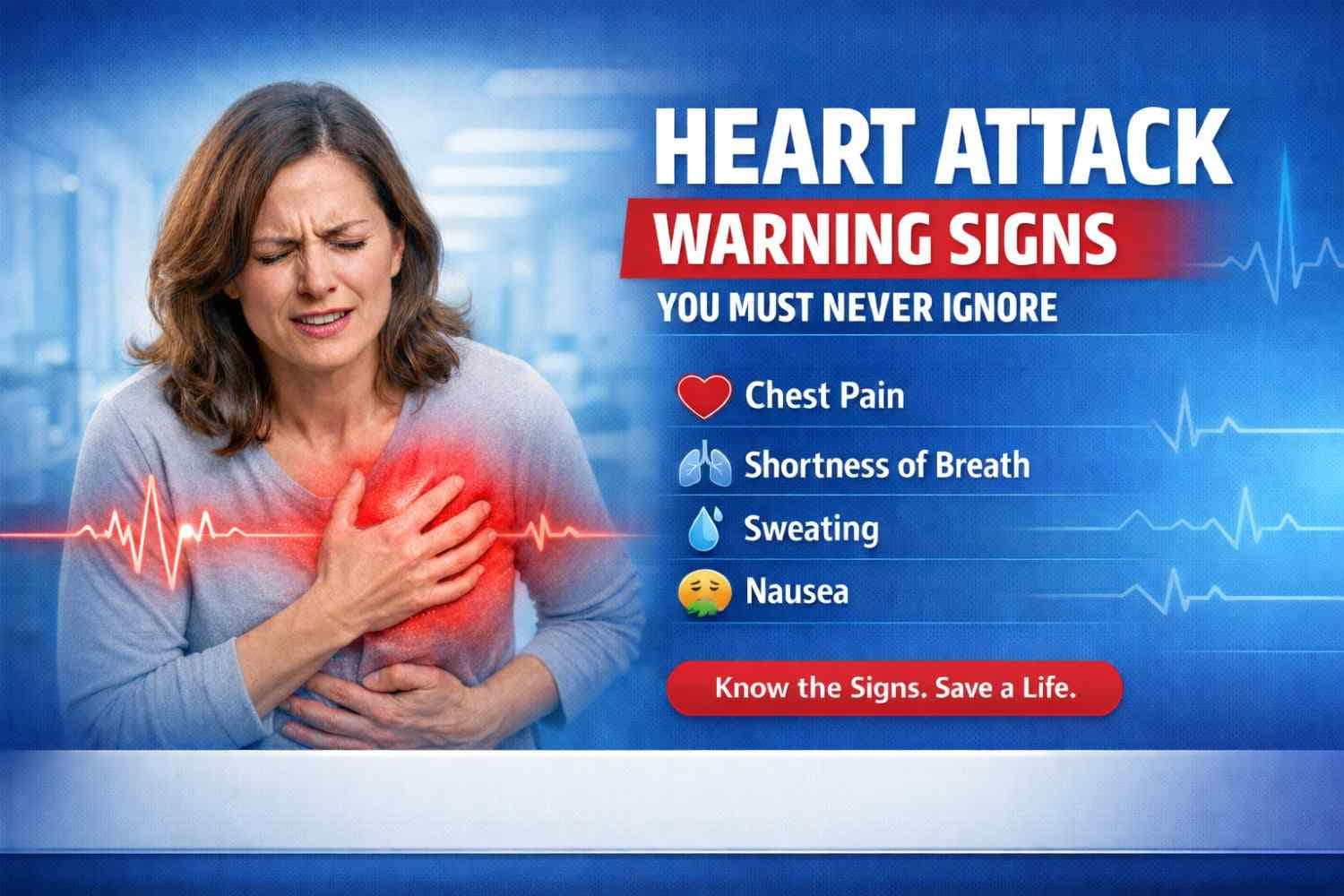
Heart Attack Warning Signs You Must Never Ignore
Recognizing heart attack symptoms early can save your life. Learn the critical warning signs from Dr. Amit Kumar Singh, Senior Interventional Cardiologist at Jigyasa Hospital, Moradabad. Call 7900903333.
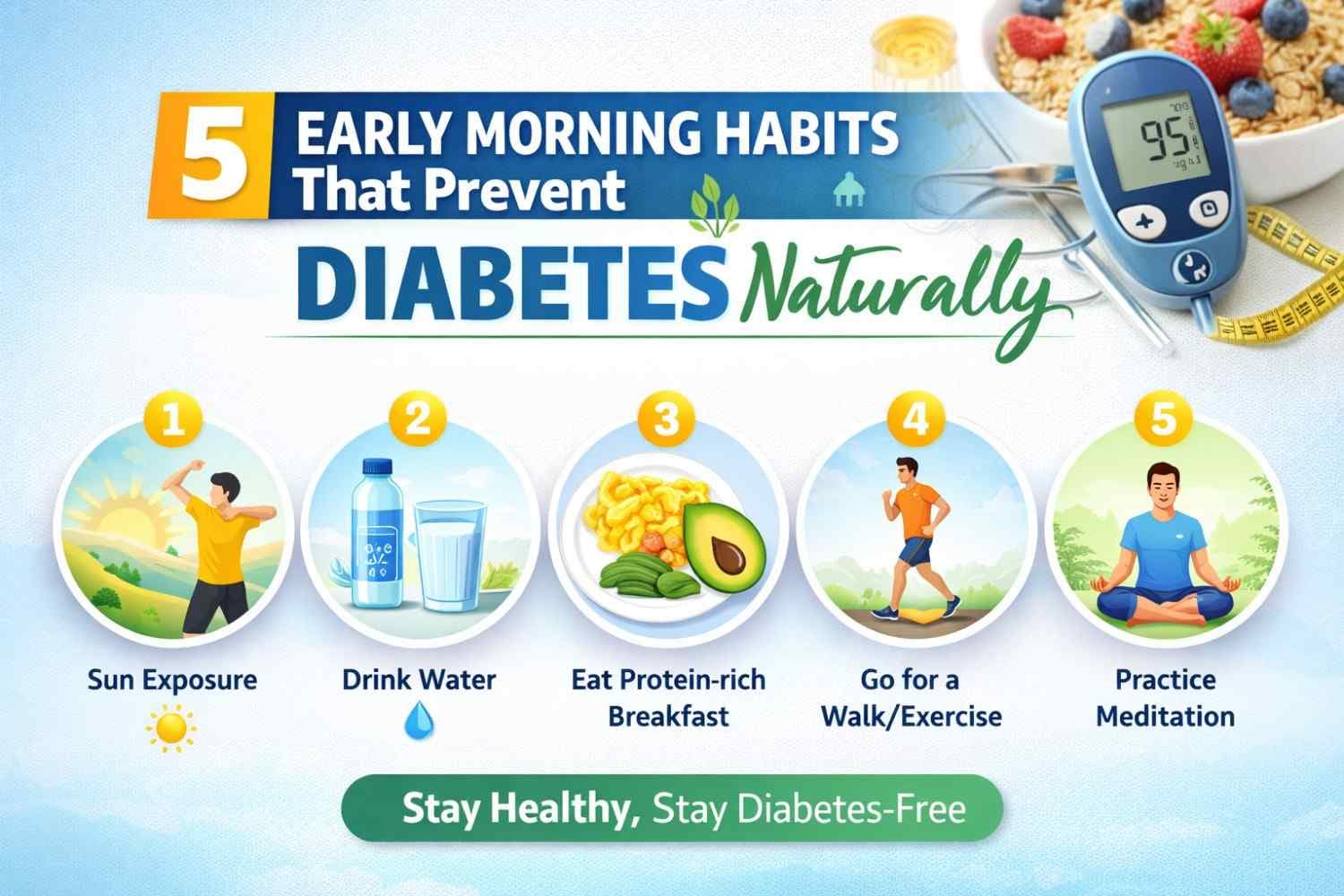
5 Early Morning Habits That Prevent Diabetes Naturally
Discover 5 powerful morning habits that naturally prevent diabetes. Expert advice from Dr. C.P. Singh, Senior Consultant Physician at Jigyasa Hospital, Moradabad. Call 7900903333.
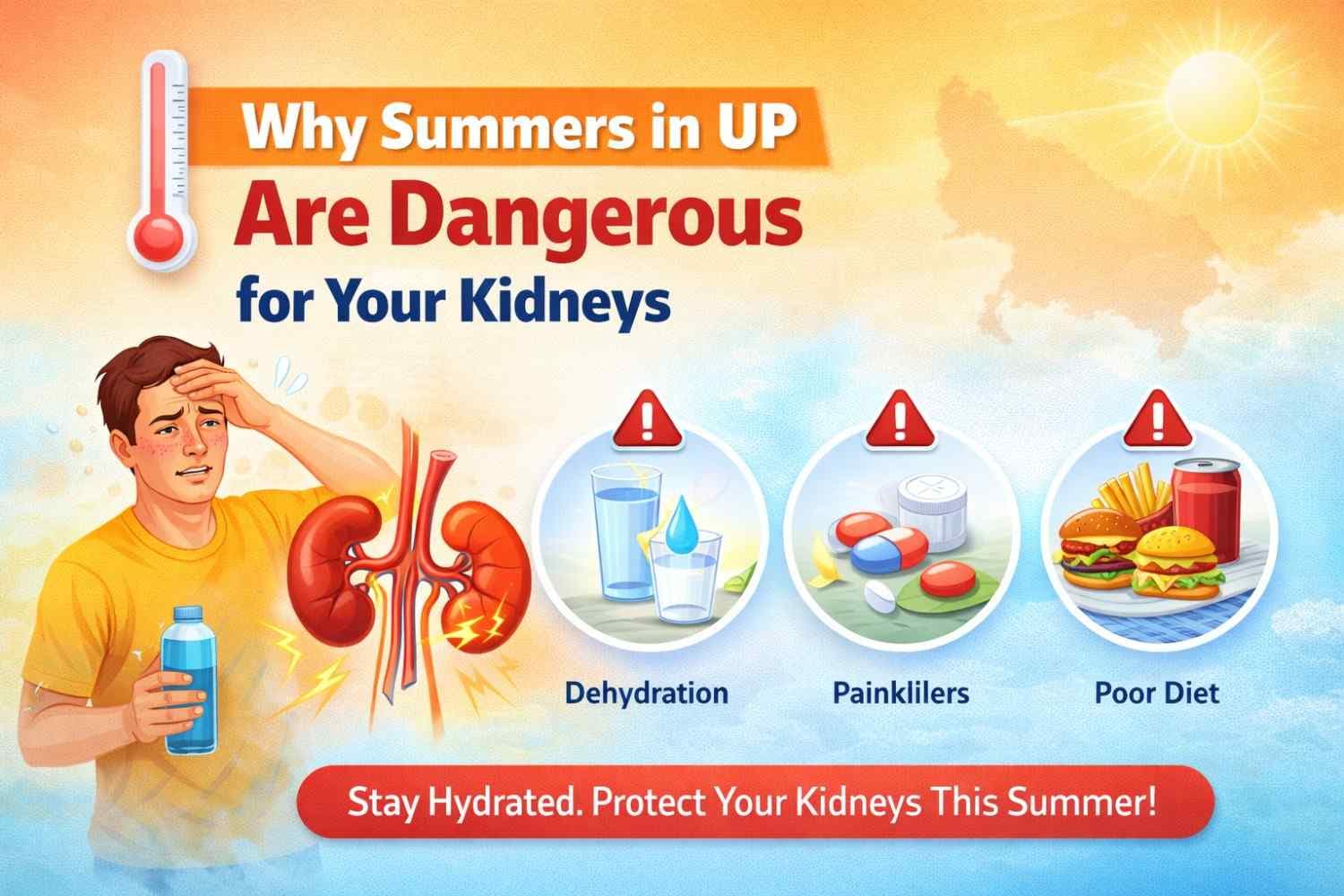
Why Summers in UP Are Dangerous for Your Kidneys
UP summers can silently damage your kidneys. Jigyasa Hospital Moradabad explains the hidden risks, warning signs, and how to protect your kidneys this season. Call 7900903333.