
Waterborne Diseases in Moradabad: A Monsoon Safety Guide
Monsoon in Moradabad brings a rise in waterborne illness. Learn the common diseases, warning signs, and prevention steps — guidance from Dr. C.P. Singh, Jigyasa Hospital, Moradabad.
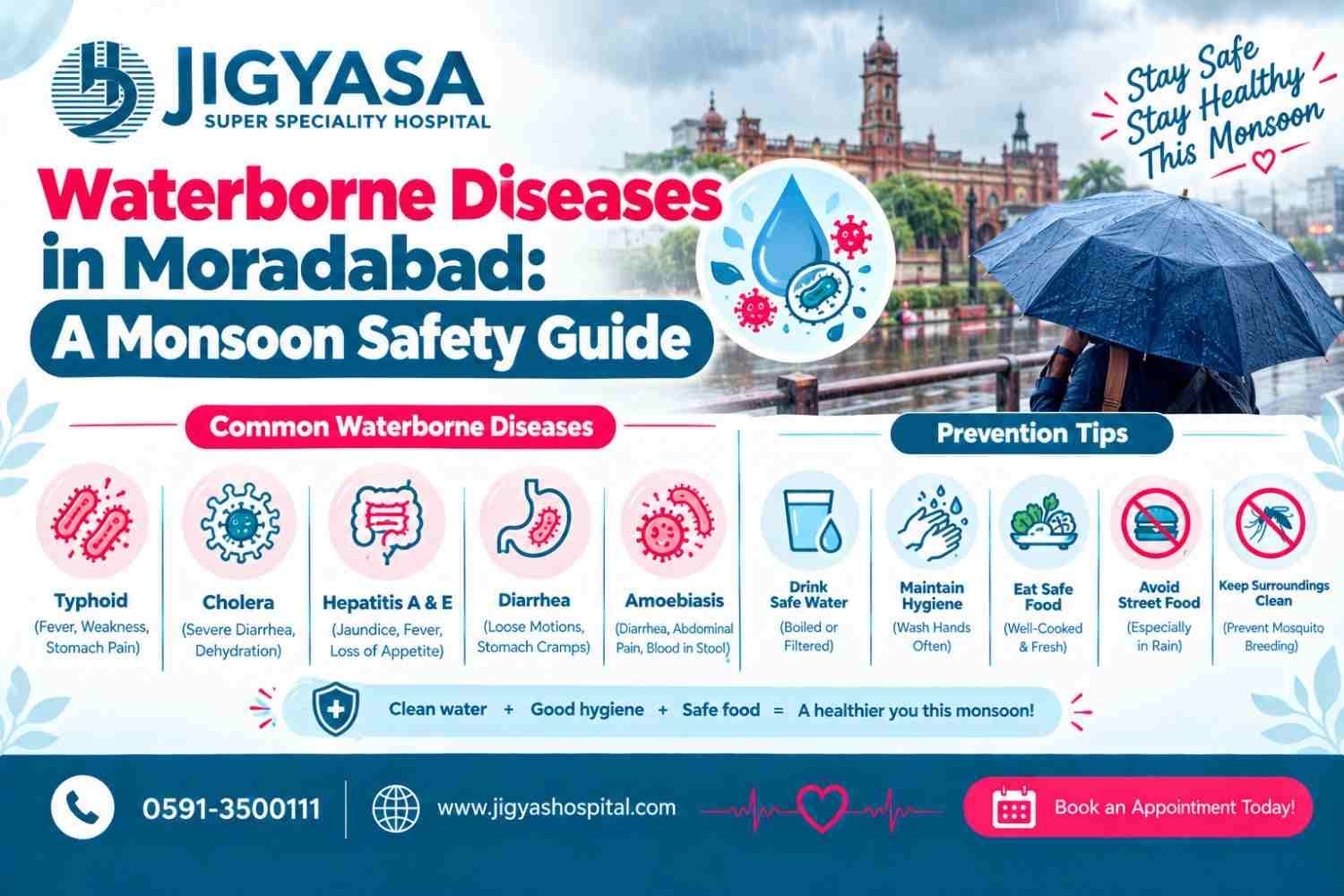
Every year, as the monsoon arrives in Moradabad and the surrounding region, hospitals see a predictable and significant rise in patients suffering from illnesses linked directly to contaminated water — from mild stomach upset to more serious infections requiring hospitalization. Heavy rainfall, waterlogging in low-lying areas, overburdened drainage systems, and the risk of sewage mixing with drinking water supplies all combine to create conditions where waterborne diseases spread more easily during this season. At Jigyasa Hospital, Moradabad, Dr. C.P. Singh, Founder and Chairman, sees this seasonal pattern firsthand and emphasizes that most waterborne illnesses are genuinely preventable with consistent, practical precautions — making awareness one of the most powerful tools available to local families during monsoon months.
Why Moradabad Sees a Monsoon Surge in Waterborne Illness
Several factors specific to the monsoon season in this region increase the risk of waterborne disease transmission:
- •Waterlogging in residential and market areas, which can allow sewage and drainage water to mix with areas where drinking water pipes run, particularly in older infrastructure
- •Contamination of open wells, hand pumps, and storage tanks, especially in areas with inadequate covering or maintenance
- •Increased street food and roadside vendor activity, where washing water and ice may not always meet proper hygiene standards during heavy rains
- •Flooding of low-lying residential pockets, bringing contaminated floodwater into direct contact with homes and food preparation areas
- •Disruption of regular municipal water supply and treatment, which can occasionally compromise water quality during periods of heavy rainfall
- •Increased fly and insect activity, which can spread contamination from exposed waste to food and water sources
Common Waterborne Diseases During Monsoon
1. Typhoid Fever
A bacterial infection spread through contaminated food and water, typically causing a gradually rising fever, headache, weakness, and abdominal discomfort. Typhoid requires specific antibiotic treatment and, if inadequately treated, can lead to serious complications.
2. Cholera
An acute bacterial infection causing sudden, severe watery diarrhea and vomiting, which can lead to rapid and dangerous dehydration if not promptly treated. Cholera outbreaks are closely linked to contaminated water sources and poor sanitation, making it a particular concern during flooding and waterlogging.
3. Hepatitis A
A viral infection affecting the liver, spread through contaminated food and water, causing symptoms such as fatigue, nausea, loss of appetite, abdominal discomfort, and jaundice (yellowing of the skin and eyes). While most cases resolve with supportive care, hepatitis A can occasionally cause more significant liver involvement.
4. Hepatitis E
Similar to hepatitis A in its waterborne transmission and general symptom pattern, hepatitis E is a notable concern during monsoon season, particularly significant for pregnant women, in whom it can cause more severe illness.
5. Acute Gastroenteritis (Diarrheal Illness)
A broad category of infections, caused by various bacteria, viruses, and parasites, resulting in diarrhea, vomiting, and abdominal cramps. This is one of the most common waterborne illness presentations during monsoon, ranging from mild, self-limiting cases to more significant illness requiring medical attention.
6. Dysentery
Infection of the intestines, often caused by bacteria or parasites, leading to diarrhea with blood or mucus, abdominal cramping, and fever, requiring specific treatment based on the underlying cause.
7. Leptospirosis
A bacterial infection transmitted through contact with water contaminated by animal urine, which becomes more common during flooding when people wade through contaminated floodwater. Symptoms can range from mild flu-like illness to more severe presentations affecting the kidneys and liver.
Early Warning Symptoms to Watch For
- •Sudden or gradually worsening diarrhea, with or without blood
- •Vomiting and nausea
- •Fever, whether sudden or gradually rising
- •Abdominal cramps or pain
- •Unusual fatigue and weakness
- •Yellowing of the skin or eyes (suggestive of hepatitis)
- •Dark urine and pale stools
- •Headache alongside fever and digestive symptoms
- •Signs of dehydration — reduced urination, dizziness, dry mouth, excessive thirst
Who Is Most at Risk?
- •Young children, whose immune systems are still developing
- •Elderly individuals, who are more vulnerable to complications from dehydration and infection
- •Pregnant women, particularly with regard to hepatitis E, which can be more severe during pregnancy
- •Individuals with pre-existing health conditions or weakened immunity
- •People in households relying on open wells, hand pumps, or inconsistent municipal water supply
- •Those living in low-lying or flood-prone areas of the city
Vaccination as an Additional Protective Measure
For certain waterborne diseases, vaccination offers additional protection and is worth discussing with your doctor, particularly for:
- •Typhoid, especially for those with frequent exposure risk or in households with young children
- •Hepatitis A, particularly relevant for children and those without prior immunity
When to Seek Medical Attention
While mild, brief digestive upset can sometimes be managed with rest and hydration at home, certain symptoms should prompt prompt medical evaluation:
- •Diarrhea persisting beyond two to three days
- •Blood or mucus in stool
- •High fever
- •Signs of significant dehydration — very reduced urination, extreme thirst, dizziness, or confusion
- •Persistent vomiting preventing adequate fluid intake
- •Yellowing of the skin or eyes
- •Severe abdominal pain
- •Symptoms in young children, elderly individuals, or pregnant women, who are more vulnerable to rapid complications
Prevention Strategies for Monsoon Season
Water Safety:
- •Drink only boiled or properly purified water — bring water to a rolling boil for at least a few minutes to kill disease-causing organisms
- •Use certified water purifiers with UV or RO filtration for household drinking water
- •Avoid ice from uncertain sources, as it may be made from contaminated water
- •Store drinking water in clean, covered containers to prevent contamination
Food Safety:
- •Wash fruits and vegetables thoroughly with safe, clean water before consumption
- •Avoid street food and cut fruit from vendors with uncertain hygiene practices during monsoon
- •Choose freshly prepared, hot food rather than food that has been sitting out
- •Be cautious with raw salads at restaurants, especially during heavy rainfall periods
Personal Hygiene:
- •Wash hands frequently with soap and clean water, especially before eating and after using the restroom
- •Use hand sanitizer when soap and water aren't available
- •Avoid wading through floodwater when possible, as it may be contaminated with sewage or animal urine
- •Keep living areas clean and dry, eliminating stagnant water around homes to reduce mosquito breeding
Internal Medicine Care at Jigyasa Hospital, Moradabad
At Jigyasa Hospital, Dr. C.P. Singh and the medical team see a seasonal increase in waterborne illness presentations and prioritize:
- •Prompt evaluation and appropriate laboratory testing to accurately identify the specific infection
- •Timely treatment, including antibiotic therapy when bacterial infections are confirmed, and supportive rehydration care for dehydration
- •Monitoring for complications, particularly in vulnerable patients such as young children, elderly individuals, and pregnant women
- •24/7 emergency care availability for cases requiring urgent attention, particularly during the peak monsoon illness season
Book an Appointment: 7900903333
Address: Near Miglani Cinema, Rampur Road, Moradabad – 244001
Online Appointments: jigyasahospital.com
Internal Medicine | Waterborne Diseases | Monsoon Health | Fever Clinic | Emergency Care | Ayushman Bharat Accepted
Key Takeaways
- •Monsoon in Moradabad increases waterborne disease risk due to waterlogging, sewage contamination, flooding, and compromised water supply.
- •Common diseases: typhoid, cholera, hepatitis A & E, acute gastroenteritis, dysentery, leptospirosis — all spread through contaminated water/food.
- •Warning signs: diarrhea (with/without blood), vomiting, fever, abdominal pain, jaundice, dark urine, dehydration (reduced urination, dizziness).
- •High-risk groups: young children, elderly, pregnant women (hepatitis E), immunocompromised, those in flood-prone areas.
- •Prevention: boil water (rolling boil few minutes), wash hands frequently, avoid street food/cut fruit, get vaccinated (typhoid, hepatitis A), seek care early if symptoms persist >2-3 days.
Frequently Asked Questions
Is boiling water really necessary if it looks clean?
Yes — water contamination from bacteria, viruses, and parasites isn't visible to the naked eye, so water that looks clear can still carry significant infection risk, particularly during monsoon when water sources are more likely to be compromised.
How long should water be boiled to make it safe to drink?
Bringing water to a rolling boil for at least a few minutes is generally recommended to adequately kill most disease-causing organisms, particularly important during monsoon season when water quality is less reliable.
Can waterborne diseases spread from person to person, not just through contaminated water?
Yes, in some cases, particularly with conditions like hepatitis A and certain diarrheal illnesses, poor hand hygiene after using the restroom can lead to person-to-person spread, which is why handwashing remains important even beyond water source precautions.
Is it safe to eat raw salads and fruits during monsoon?
Raw fruits and vegetables can be eaten safely if thoroughly washed with clean, safe water, but extra caution is warranted during monsoon given the higher likelihood of water contamination used in washing, particularly at restaurants or food stalls with uncertain hygiene practices.
Should I avoid all outdoor food during monsoon season?
While it's not necessary to avoid all outdoor food, it's advisable to be more selective during monsoon — choosing freshly prepared, hot food from places with good hygiene practices, and avoiding street food, cut fruit, or anything that may have had prolonged exposure to potentially contaminated water or ice.
Related Articles
Heart Attack Warning Signs You Must Never Ignore
Recognizing heart attack symptoms early can save your life. Learn the critical warning signs from Dr. Amit Kumar Singh, Senior Interventional Cardiologist at Jigyasa Hospital, Moradabad. Call 7900903333.
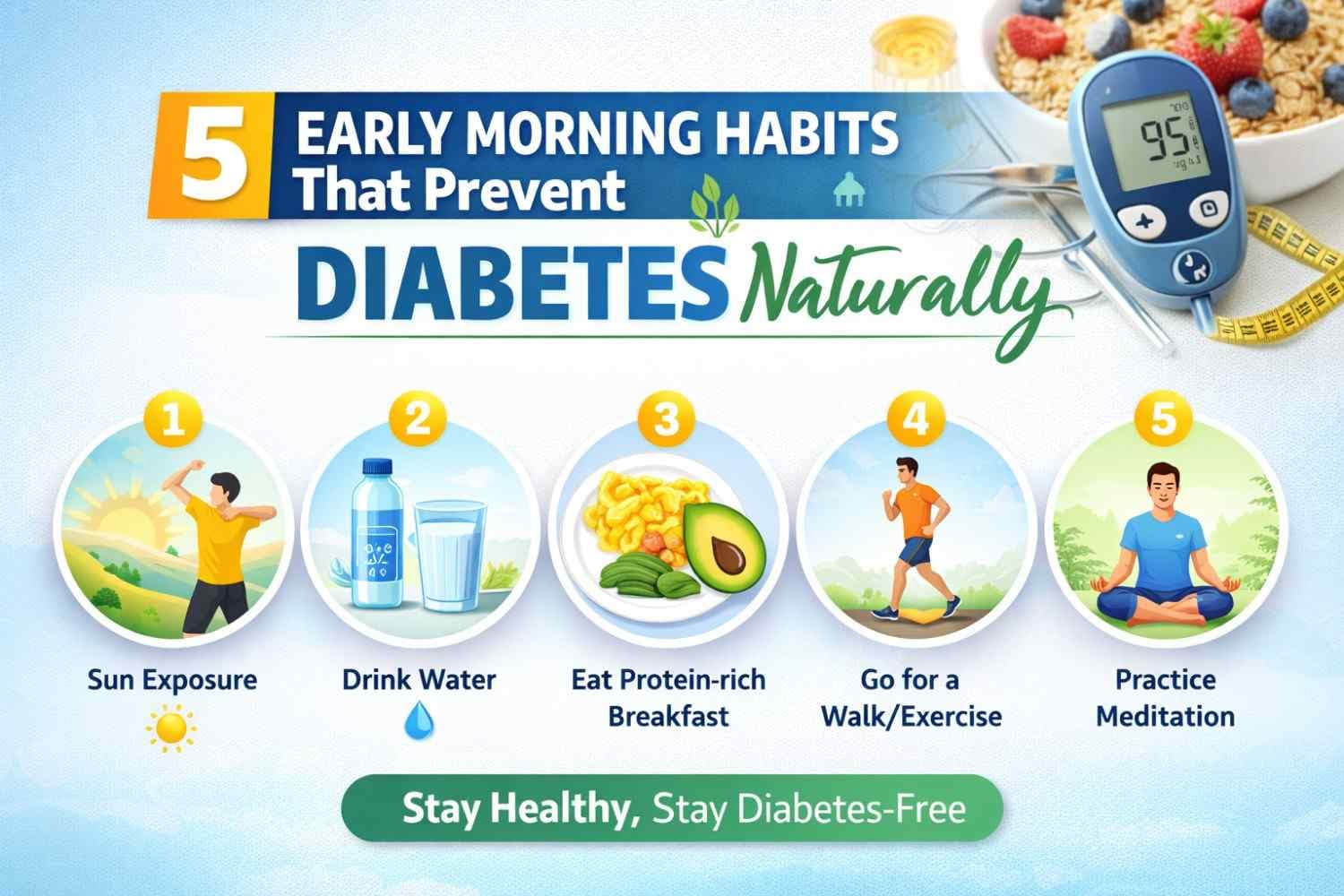
5 Early Morning Habits That Prevent Diabetes Naturally
Discover 5 powerful morning habits that naturally prevent diabetes. Expert advice from Dr. C.P. Singh, Senior Consultant Physician at Jigyasa Hospital, Moradabad. Call 7900903333.
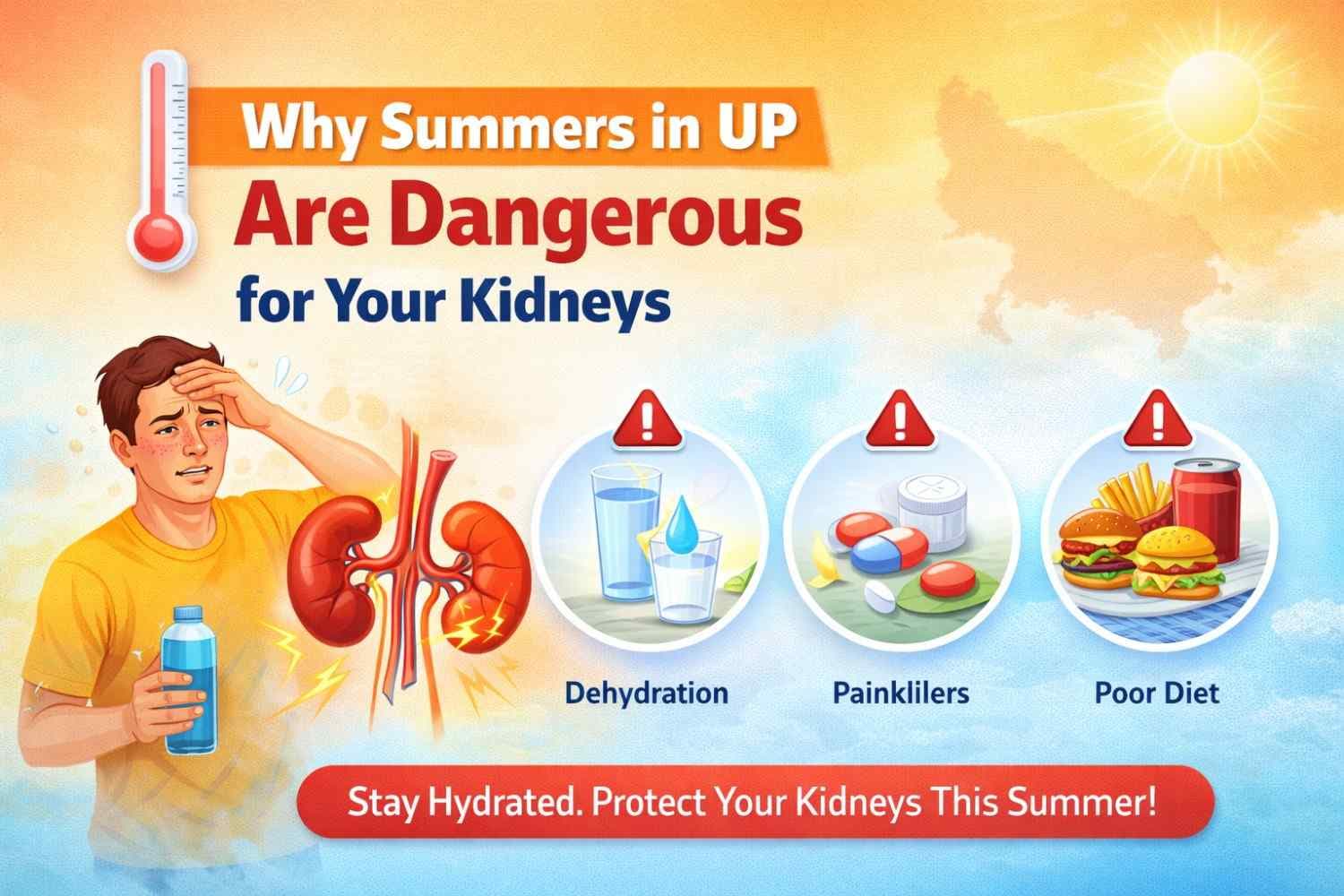
Why Summers in UP Are Dangerous for Your Kidneys
UP summers can silently damage your kidneys. Jigyasa Hospital Moradabad explains the hidden risks, warning signs, and how to protect your kidneys this season. Call 7900903333.